Surgery isn’t always the solution for joint and muscle pain or injuries. Conservative methods may be.
Your knee has ached for days, making walking around the city and climbing subway stairs painful. The knee sometimes gives out, too. You’d like to visit an orthopedist, but you’re afraid of a surgery recommendation. And that could mean weeks away from your work and social life. Not something an on-the-go New Yorker wants to consider.
Stop hesitating and make that appointment. Luckily, conservative orthopedic treatment is the first line of therapy for musculoskeletal injuries and conditions. Joint or muscular pain doesn’t automatically require a trip to the OR. Non-surgical, non-invasive therapies may successfully treat joint pain.
When to see an orthopedic doctor for your pain
Minor aches and pains usually resolve in a day or two with rest and at-home treatments. Feeling a bit sore after an intense workout is also common. Yet there are definite signs your joint discomfort needs to be evaluated by an orthopedic specialist.
- Pain lasting more than a few weeks and not alleviated by home remedies (rest, cold compresses)
- Limited range of motion in the joint (cannot raise your arm above your head or bend the knee)
- Chronic swelling and inflammation
- Instability in the joint (knee buckles; ankle rolls out of position)
- Numbness, tingling, muscle weakness indicating nerve compression
- Inability to perform everyday tasks (walking, getting out of a chair, difficulty carrying packages)
- Hearing a loud pop in the joint at the time of injury
What conservative orthopedic therapy looks like
Orthopedic medicine specializes in conditions and injuries affecting the musculoskeletal system. That includes bones and joints as well as the tendons, cartilage, and ligaments that keep our bodies moving. An offshoot of orthopedics is sports medicine, which also deals with soft tissue and joint damage related to athletics.
Conservative or non-surgical treatments basics:
Non-invasive. No incisions or general anesthesia administered.
Outpatient. Physical therapy and other treatments are performed in outpatient clinics or facilities, meaning you go home the same day.
Comprehensive. Several treatment modes are used to achieve a measurable outcome over a period of weeks or months.
Patient-driven. Patients actively participate in the treatments under the guidance of a medical professional.
What conservative orthopedic methods treat
Many orthopedic conditions and traumas related to a sports or fitness activity in addition to degenerative disorders can be effectively treated with non-surgical orthopedics. Conservative therapy may also be recommended after an operation to restore full muscle strength and joint function.
- Tears, sprains, and strains to the muscles, tendons, and ligaments (plantar fasciitis, ankle sprains)
- Bone and stress fractures
- Joint and cartilage degeneration due to arthritis
- Spinal pain in the low back and neck due to a herniated disc
- Congenital abnormalities such as scoliosis or an abnormal curvature of the spine
- Nerve compression (carpal tunnel syndrome, pinched nerve in the neck)
- Concussion evaluation and management
Common types of non-surgical treatments
At New York Bone & Joints Specialists, 90 percent of the orthopedic cases that come to our offices are treated conservatively. We believe non-surgical methods are equally if not more effective in resolving orthopedic pain. Our nonsurgical pain treatment options combine several approaches to get you back to your active lifestyle and prevent further damage.
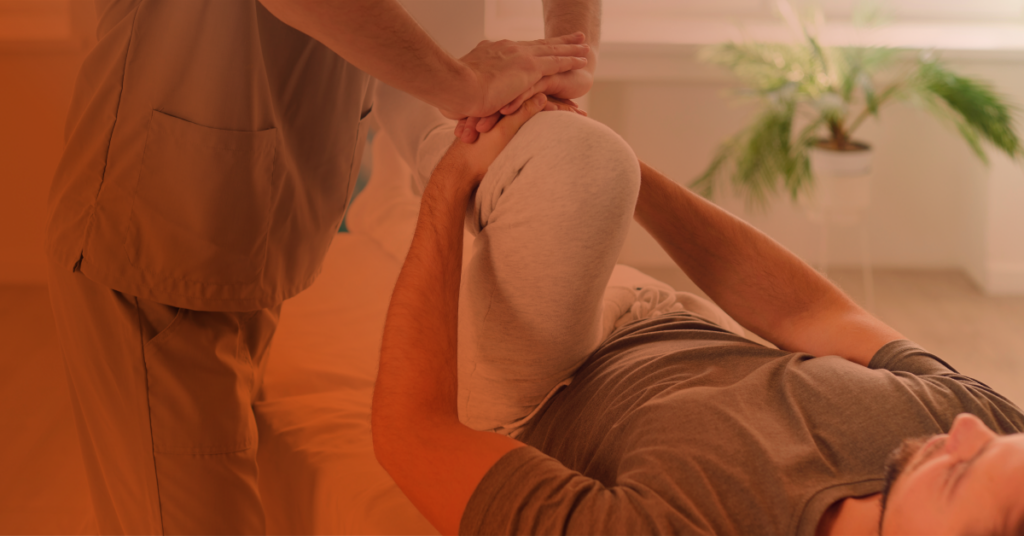
Physical and occupational therapy. A multidisciplinary physical therapy program ranges from muscle strengthening and range of motion activities to manual massage to loosen stiff muscles and reduce nerve pain. Therapies may also focus on improving balance and coordination. Athletes can practice sports-specific exercises to prepare for a return to the playing field.
Pain medications. Over-the-counter pain relievers or prescription pain medications can reduce pain and inflammation. Only take these medications under a doctor’s orders.
Injections. Steroid injections into the joint often bring immediate relief from pain and inflammation, but are only given a limited number of times yearly.
Braces, boots, and casts. Supportive devices immobilize the joint or bone, giving it time to heal without aggravating movements.
Viscosupplementation injections. Used primarily for arthritis treatment, viscosupplementation refers to an injection of hyaluronic acid into the joint, typically the knee. Hyaluronic acid has properties similar to the synovial joint fluid that lubricates the joint.
Radiofrequency ablation. Radiofrequency ablation (RFA) pulses radiofrequency waves via a small needle into a compressed or damaged nerve to block pain signals.
Platelet-rich plasma therapy. A form of regenerative medicine, platelet-rich plasma therapy separates the platelets in the patient’s blood to form a concentrated solution. The solution is injected into the affected muscle, tendon, or ligament to stimulate natural healing.
The benefits of conservative orthopedic therapy
At New York Bone & Joint, we often start our patients with non-surgical treatments. In addition to pain reduction and increased mobility, this plan of action offers several important benefits:
- Preserves vital joints, nerves, muscles, and tendons
- Reduces the risk of blood clots, infection, and other complications due to anesthesia and surgery
- Less costly than a lengthy hospital stay
- Gives patients control of their treatment and progress
Contact our office if you’d like to know more about non-surgical orthopedic therapies in New York City. Book your appointment online or by phone.
FAQ
When should I see an orthopedic physician?
Persistent pain or swelling lasting more than a few weeks is the first indication. Trouble walking, climbing stairs, numbness, or instability in a joint are other red flags you need further treatment than simply rest.
What can conservative orthopedic therapy treat?
Any injury or damage to the musculoskeletal system, which consists of the bones, joints, and soft tissue (tendons, muscles, ligaments) of the body. Degenerative conditions such as arthritis in the joints can be greatly helped by conservative therapy.
What are some examples of conservative treatments?
Physical therapy to strengthen muscles and improve range of motion in the joint is often used to treat orthopedic pain. But there are other methods, such steroid injections, supportive devices (braces, casts), and pain medications. Newer treatments like platelet-rich plasma therapy use the patient’s own blood to promote tissue repair. All are safe and effective.
Are conservative orthopedic treatments effective?
Yes, non-surgical orthopedic treatments are highly successful in reducing joint pain and improving mobility. Most orthopedists recommend a conservative course of treatment before surgery. One study found between 60 percent to 90 percent of patients with lumbar disc herniation were successfully treated with conservative methods.