Shoulder Specialist NYC — Orthopedic Shoulder Surgeon at New York Bone & Joint
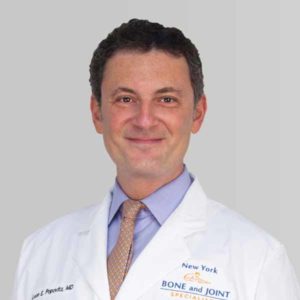 Leon E. Popovitz, MD — Shoulder Specialist & Orthopedic Surgeon
Board-Certified Orthopedic Surgeon (ABOS) │ Fellow, American Academy of Orthopaedic Surgeons (FAAOS)
Fellowship-Trained: Sports Medicine, NYU Langone Medical Center │ Co-Founder, NY Bone & Joint Specialists
US Open Tennis Championships Team Physician │ Surgery at Lenox Hill Hospital — Northwell Health
Upper East Side & Midtown Manhattan
The shoulder is the most complex joint in the body. It is the most mobile joint and, as a result, the least inherently stable — a trade-off that makes it highly susceptible to injury and highly dependent on surgical precision when repair is required. The outcomes of shoulder surgery depend on two things above everything else: whether the correct diagnosis was made before the procedure, and whether the repair was performed with technical accuracy. Both are non-negotiable.
I am Dr. Leon Popovitz. I am a board-certified orthopedic surgeon, fellowship-trained in sports medicine at NYU Langone Medical Center, and co-founder of NY Bone and Joint Specialists. I have been performing shoulder surgery for over 20 years — rotator cuff repair, SLAP repair, Bankart stabilization, biceps tenodesis, and shoulder arthroscopy. I have served as team physician at the US Open Tennis Championships, treating overhead athletes at the highest level of professional competition. That experience with elite shoulder athletes has shaped how I approach every shoulder case, regardless of whether the patient is a professional or a recreational tennis player.
My philosophy is the same for the shoulder as it is for the knee: preservation is the key to longevity. Ninety percent of my patients are treated without surgery. When surgery is the right answer — the goal is a repair that is precise, durable, and built to last for the rest of that patient's life.
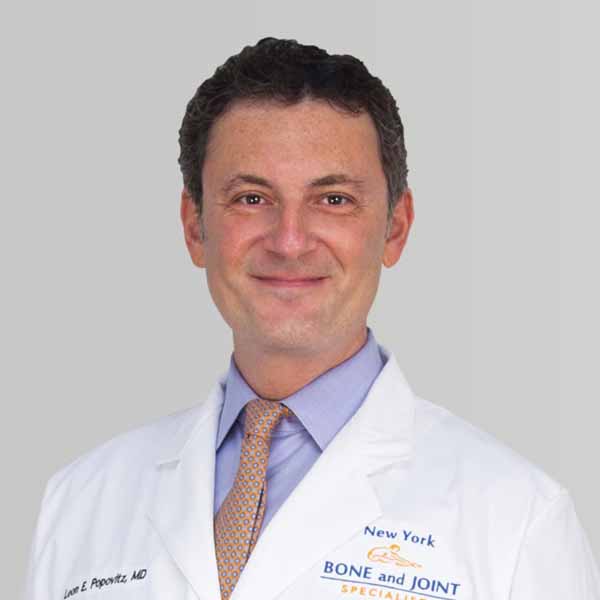
Leon E. Popovitz, MD — Shoulder Specialist & Orthopedic Surgeon
Board-Certified Orthopedic Surgeon (ABOS) │ Fellow, American Academy of Orthopaedic Surgeons (FAAOS)
Fellowship-Trained: Sports Medicine, NYU Langone Medical Center │ Co-Founder, NY Bone & Joint Specialists
US Open Tennis Championships Team Physician │ Surgery at Lenox Hill Hospital — Northwell Health
Upper East Side & Midtown Manhattan
The shoulder is the most complex joint in the body. It is the most mobile joint and, as a result, the least inherently stable — a trade-off that makes it highly susceptible to injury and highly dependent on surgical precision when repair is required. The outcomes of shoulder surgery depend on two things above everything else: whether the correct diagnosis was made before the procedure, and whether the repair was performed with technical accuracy. Both are non-negotiable.
I am Dr. Leon Popovitz. I am a board-certified orthopedic surgeon, fellowship-trained in sports medicine at NYU Langone Medical Center, and co-founder of NY Bone and Joint Specialists. I have been performing shoulder surgery for over 20 years — rotator cuff repair, SLAP repair, Bankart stabilization, biceps tenodesis, and shoulder arthroscopy. I have served as team physician at the US Open Tennis Championships, treating overhead athletes at the highest level of professional competition. That experience with elite shoulder athletes has shaped how I approach every shoulder case, regardless of whether the patient is a professional or a recreational tennis player.
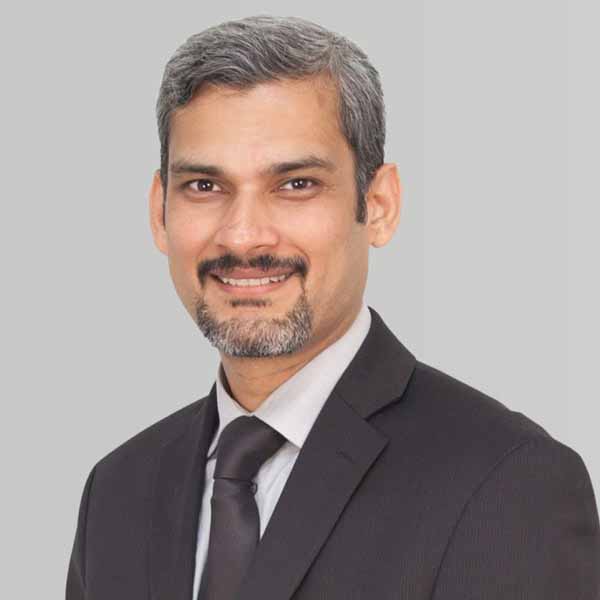
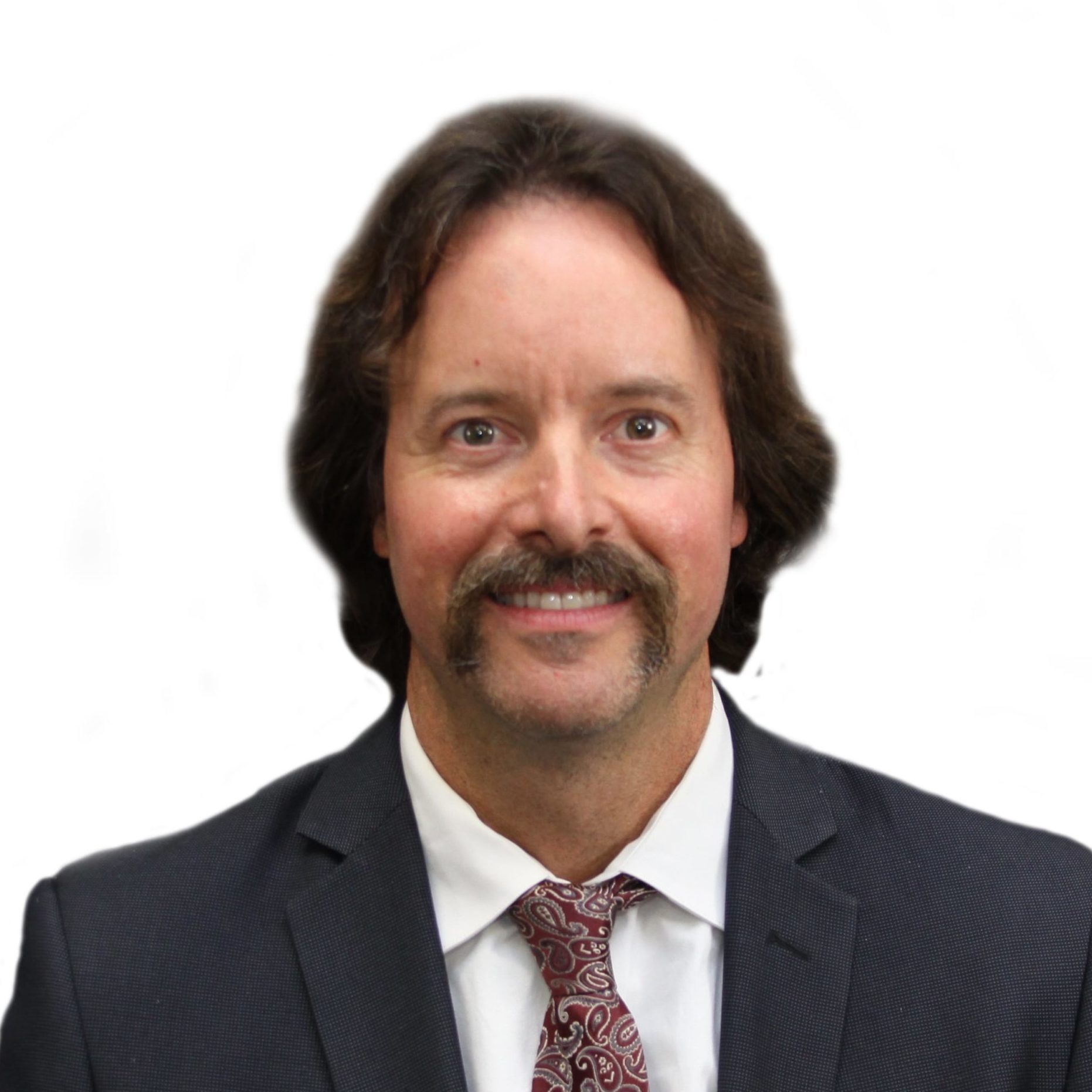
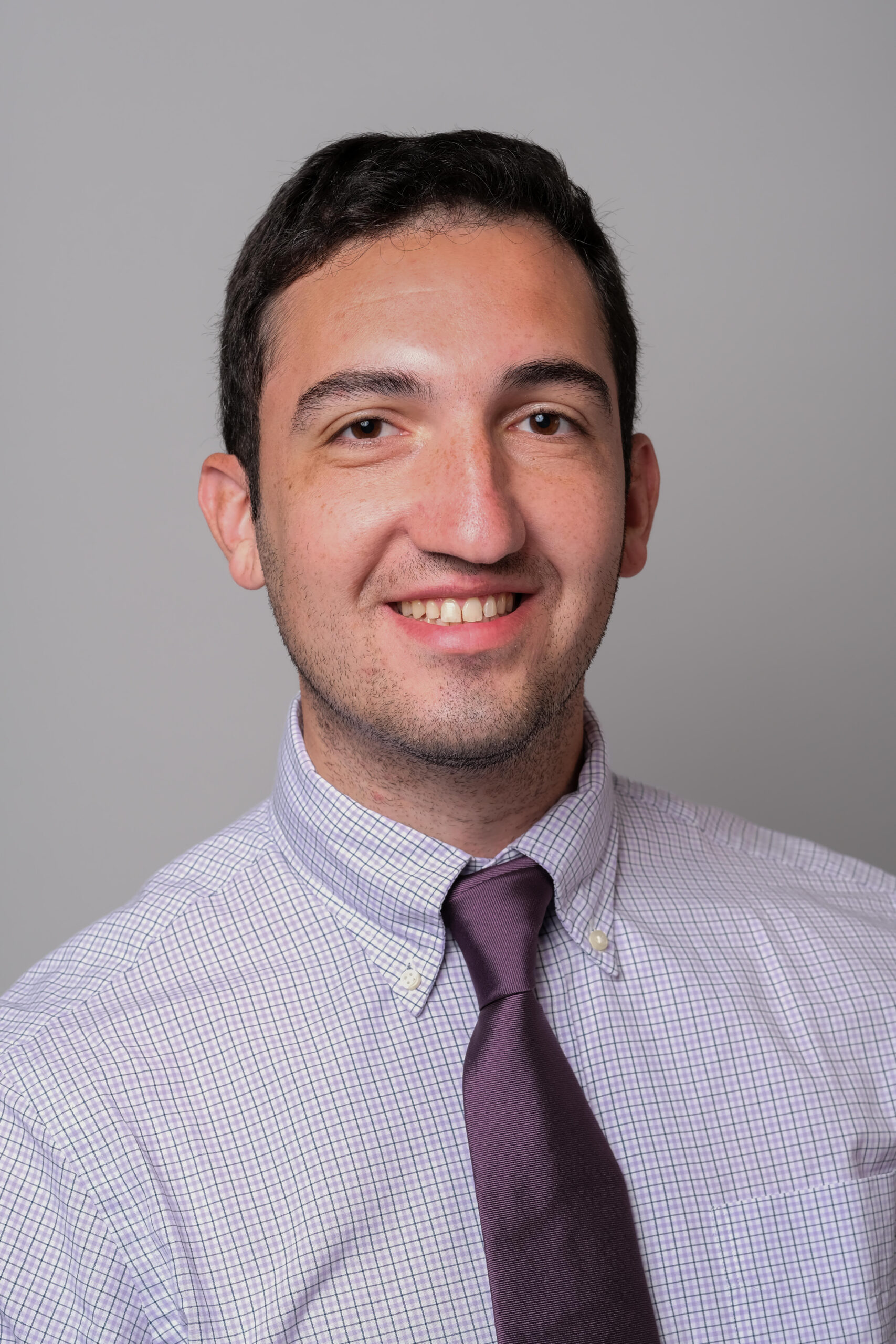
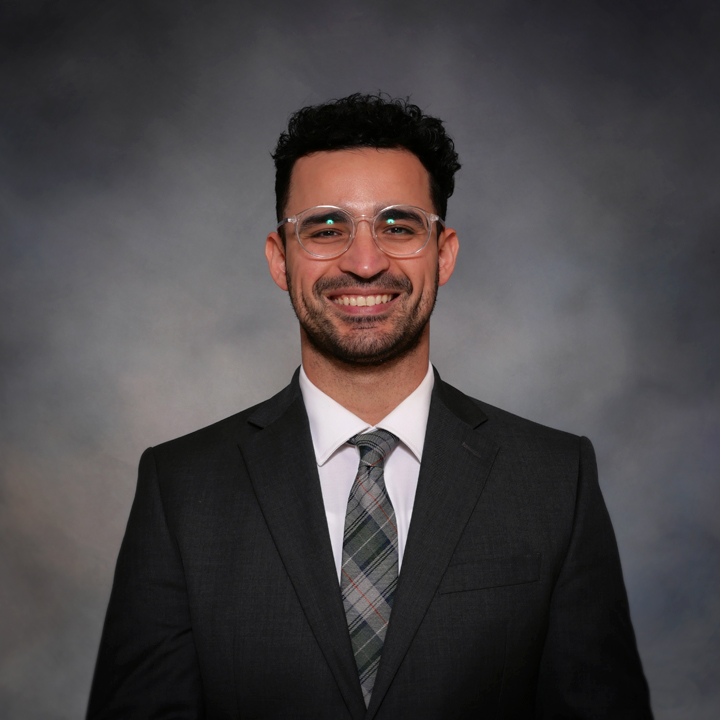
My philosophy is the same for the shoulder as it is for the knee: preservation is the key to longevity. Ninety percent of my patients are treated without surgery. When surgery is the right answer — the goal is a repair that is precise, durable, and built to last for the rest of that patient's life. Our Top Shoulder Doctors:



Written by: Leon E. Popovitz, MD
Board-Certified Orthopedic Surgeon (ABOS) │ Fellow, American Academy of Orthopaedic Surgeons (FAAOS)
Fellowship-Trained: Sports Medicine, NYU Langone Medical Center │ Residency: Lenox Hill Hospital
Shoulder & Knee Arthroscopy │ Sports Medicine │ US Open Tennis Championships Team Physician
Co-Founder, NY Bone & Joint Specialists │ Surgery at Lenox Hill Hospital — Northwell Health
Recognized: New York Magazine Best Doctor │ New York Times Super Doctor │ IAOS Top Orthopedic Surgeon in New York
Date Published: May 25, 2018
Last Updated: August 7, 2026
Last Medically Reviewed: August 7, 2026
This page has been written and reviewed by a fellowship-trained, board-certified orthopedic surgeon with over 20 years of clinical experience. All clinical claims are supported by peer-reviewed literature and current AAOS and AOSSM guidelines. See References section below.
Leon E. Popovitz, MD — Co-Founder, NY Bone & Joint Specialists
Board-Certified Orthopedic Surgeon (ABOS) │ FAAOS │ Fellowship-Trained Sports Medicine, NYU Langone
At NYBJ, shoulder care is built on a specific belief: that the shoulder responds better to precise treatment than to aggressive treatment, and that a carefully selected non-surgical program will outperform premature surgery in most presentations. The patients who do best in my practice are those who received the right intervention at the right time — not too early, not too late, and directed at the actual source of the problem.
Shoulder surgery is a commitment. When surgery is the right answer, that commitment is worth making. When it is not the right answer, that time and recovery burden is a cost the patient does not need to bear. That is why NYBJ is built the way it is: a full team of sports medicine physicians managing non-surgical care, a fellowship-trained surgeon for when an operation is the right answer, and a physical therapy team in the same center throughout. The decision has to be made correctly.
— Leon Popovitz, MD, Co-Founder, NY Bone & Joint Specialists
At a glance
Who performs it: Dr. Leon E. Popovitz, board-certified orthopedic surgeon (ABOS), FAAOS, fellowship-trained in sports medicine at NYU Langone Medical Center. 20+ years of shoulder surgery. US Open Tennis Championships team physician. Surgery at Lenox Hill Hospital — Northwell Health. Consultations at New York Bone & Joint Upper East Side (1198 Third Ave) and Midtown (425 Madison Ave).
What NYBJ: Rotator cuff tears (partial and full-thickness), SLAP tears and labral injuries, shoulder instability and Bankart lesions, biceps tendon injuries, shoulder impingement and bursitis, frozen shoulder (adhesive capsulitis), shoulder arthritis, AC joint injuries, and shoulder fractures.
Surgical procedures: Arthroscopic rotator cuff repair (double-row technique for full-thickness tears), SLAP repair, biceps tenodesis, Bankart repair, Latarjet procedure for bone loss cases, shoulder arthroscopy. All performed at Lenox Hill Hospital as outpatient procedures.
Non-surgical care: 90% of New York Bone & Joint shoulder patients are treated without surgery. Non-surgical pathways include physical therapy, cortisone injections, ultrasound-guided injections, and structured rehabilitation programs. Surgery is recommended only when conservative options have been genuinely exhausted or when the clinical picture clearly establishes surgery as the most effective first option.
New York Bone & Joint shoulder outcomes: Rotator cuff re-tear rate 2–4% (published benchmark 10–20%). [2] Bankart re-dislocation rate <4% (published benchmark 5–15%). [5] SLAP repair return-to-overhead-sport 90% (published benchmark 40–80%). [4] Rotator cuff patient satisfaction 94%.
Recovery: Rotator cuff repair: 9 months to overhead sport return. Bankart repair: 5–6 months to contact sport. SLAP repair: 6–8 months to overhead sport. All return-to-sport clearance is criteria-based (strength symmetry and functional testing) not calendar-based. [9]
Access: Same-week consultations at both Manhattan locations. No referral required. In-house physical therapy coordinated with your surgeon in the same center.
Book a consultation
Prompt Appointments Available
Upper East Side: 1198 Third Ave | Midtown: 425 Madison Ave
Surgery performed at Lenox Hill Hospital - Northwell Health
Introduction
The shoulder is the joint I have spent more than twenty years operating on. It is complex, demanding, and the joint that most consistently rewards precise diagnosis and careful decision making. Get the diagnosis right, select the right intervention, execute it well and the outcomes are excellent. If any of those steps are missed or done incorrectly and the patient undergoes treatment that isn’t appropriate, then their shoulder will be no better than where they started.
At New York Bone & Joint Specialists, shoulder care begins with evaluation. Not every shoulder that hurts needs surgery. Not every shoulder with a positive finding on MRI needs to be operated on. The rotator cuff tear that is incidental, asymptomatic, and small in an older, lower-demand patient is a different clinical problem than the acute full-thickness tear in a fifty-year-old or twenty-nine-year-old contractor who uses their shoulder for work. The management philosophy has to be specific to the patient in front of you, and the recommendation has to be honest about what surgery will and will not accomplish.
This page describes what we treat, how we make decisions, what our outcomes look like, and why the clinical model at New York Bone & Joint produces results that differ from what most patients experience elsewhere.
Shoulder Conditions We Treat
| Condition | What It Is | The New York Bone & Joint Approach |
| Rotator Cuff Tear | Partial or full-thickness tear of one or more rotator cuff tendons, most commonly the supraspinatus. May be acute (traumatic) or chronic (degenerative). | Non-surgical for appropriate candidates. Surgical repair (arthroscopic double-row technique) for full-thickness tears in active patients before significant fatty infiltration develops. Re-tear rate 2–4% vs. published 10–20%. [2] [3] |
| SLAP Tear | Superior labrum anterior-to-posterior tear at the biceps anchor. Common in overhead athletes and throwing sports. | Physical therapy and activity modification first. Surgery (SLAP repair or biceps tenodesis depending on age and tissue quality) when conservative management fails. 90% return-to-overhead-sport after repair. [4] |
| Shoulder Instability / Bankart Lesion | Anterior labral tear following traumatic shoulder dislocation. Recurrence rate >70% in patients under 25 without surgery. [5] | Pre-operative bone loss assessment as standard. Bankart repair for appropriate candidates. Latarjet procedure for significant bone loss (>20–25%). Re-dislocation rate <4% vs. published 5–15%. [5] [6] [7] |
| Biceps Tendon Injuries | Partial or complete proximal biceps tendon tear; biceps tendinopathy in the bicipital groove. | Non-surgical for older, lower-demand patients. Biceps tenodesis (reattachment to humerus) for younger active patients who require functional strength and cosmesis. Tenotomy for older patients who prefer simplest procedure. |
| Shoulder Impingement / Bursitis | Subacromial impingement of rotator cuff tendons against the acromion. Associated with bursitis and rotator cuff tendinopathy. [8] | Physical therapy-first approach targeting rotator cuff strengthening and periscapular stabilization. Cortisone injection when appropriate. Subacromial decompression reserved for documented structural impingement that has failed genuine conservative management. |
| Frozen Shoulder (Adhesive Capsulitis) | Progressive capsular contraction causing pain and restricted range of motion in all planes. Three stages: freezing, frozen, thawing. | Stage-appropriate treatment: physical therapy in freezing stage, corticosteroid injection into glenohumeral joint, manipulation under anesthesia, or arthroscopic capsular release for refractory frozen shoulder. |
| Shoulder Arthritis | Glenohumeral osteoarthritis or inflammatory arthritis (rheumatoid, psoriatic) affecting the shoulder joint. | Non-surgical management for early and moderate arthritis: cortisone injections, viscosupplementation, PT. Total shoulder replacement (anatomic TSR and reverse TSR) is performed at NYBJ for appropriate candidates with advanced glenohumeral arthritis. Our sports medicine team manages non-surgical care; surgical consultation with Dr. Popovitz determines when replacement is indicated. |
| AC Joint Injuries | Acromioclavicular joint separation following direct trauma to the shoulder. Grades I–VI. | Non-surgical management for Grade I–III injuries. Surgical stabilization for Grade IV–VI injuries or chronic symptomatic Grade III. |
Surgical vs. Non-Surgical: How We Decide
Ninety percent of NYBJ shoulder patients are treated successfully without surgery. This is not a hedge or a marketing claim — it reflects a clinical reality that most shoulder conditions respond to the right non-surgical program when that program is genuinely structured and genuinely followed.
The surgical conversation at NYBJ begins when one of three conditions is met: the clinical picture is one where surgery is clearly the most effective path forward (an acute full-thickness rotator cuff tear in a fifty-year-old active patient, for example); genuine conservative management has been tried and has reached its limit; or the condition has a time-sensitive window after which the surgical option becomes significantly less effective (rotator cuff fatty infiltration, shoulder instability with progressive bone loss).
What we do not do is recommend surgery as the default because it is the faster path to a recommendation, because the patient expects it, or because the imaging shows a finding. A finding on an MRI is not automatically the source of the patient’s pain. The recommendation has to be based on the full clinical picture.
New York Bone & Joint Shoulder Outcomes
| Procedure | NYBJ Outcome | Published Benchmark | What Drives the Difference |
| Rotator Cuff Repair — Re-tear Rate | 2–4% | 10–20% [2] | Appropriate patient selection (before significant fatty infiltration), double-row technique, coordinated in-house PT protocol. |
| Rotator Cuff Repair — Patient Satisfaction | 94% | 80–90% (varies by tear size) | Outcome data above, plus honest pre-operative candidacy assessment. |
| Bankart Repair — Re-dislocation Rate | <4% | 5–15% [5] | Rigorous pre-operative bone loss assessment (CT when indicated). Anatomic repair technique. No Bankart repair on patients who should be having Latarjet. |
| SLAP Repair — Return to Overhead Sport | 90% | 40–80% [4] | Appropriate patient selection (repair vs. tenodesis decision based on age and tissue quality). Precise anchor placement. Overhead athlete-specific PT protocol. |
The Shoulder Surgical Procedures We Perform
Arthroscopic Rotator Cuff Repair
Rotator cuff repair is performed arthroscopically at Lenox Hill Hospital as an outpatient procedure. For full-thickness tears, we use a double-row repair technique that provides superior footprint coverage and healing geometry compared to single-row repair. [3] The graft of the rotator cuff footprint is recreated as closely as possible to the native anatomy.
The repair is followed by a protected rehabilitation protocol (four to six weeks in a sling with passive motion only) before active strengthening begins. Return to overhead sport is criteria-based at nine months.
For the full procedure overview, see our arthroscopic rotator cuff repair page.
SLAP Repair and Biceps Tenodesis
SLAP tears are among the most commonly missed diagnoses in shoulder medicine. Standard MRI has limited sensitivity for labral pathology: MRI arthrogram is the appropriate diagnostic study for overhead athletes with persistent shoulder pain and negative or equivocal standard MRI.
For patients under 35 with Type II SLAP tears and overhead athletic demands, SLAP repair is the appropriate procedure. For patients over 35–40, or those with degenerative tissue or significant biceps involvement, biceps tenodesis produces comparable functional outcomes with better reliability at that age.
For the full overview, see our SLAP repair page.
Bankart Repair and Shoulder Stabilization
Every shoulder instability patient at New York Bone & Joint is evaluated for glenoid bone loss before surgery. We don’t discover significant bone loss intraoperatively. CT imaging is obtained when the number of dislocations and clinical picture suggest bone loss is possible.
For patients with greater than 20–25% glenoid bone loss, the Latarjet procedure is performed rather than Bankart repair because a Bankart repair on a deficient glenoid will fail at a high rate regardless of surgical technique. For patients with adequate bone stock, arthroscopic Bankart repair with anatomic capsulolabral reconstruction produces a re-dislocation rate below 4%.
For the full overview, see our Bankart repair page.
Shoulder Arthroscopy
Shoulder arthroscopy is performed as an outpatient procedure at Lenox Hill Hospital through two or three small portals. The arthroscope provides a magnified, real-time view of the glenohumeral joint, subacromial space, and biceps anchor.
Concurrent findings identified at arthroscopy – labral pathology, biceps involvement, cartilage damage – are addressed in the same surgical session.
For the full overview, see our shoulder arthroscopy page.
The New York Bone & Joint Approach: What Makes it Different
| The New York Bone & Joint Advantage | What it Means for You |
| Preservation-first by design | 90% of shoulder patients treated without surgery. The clinical incentive at New York Bone & Joint is to find the most precise non-surgical solution first. Our sports medicine physicians manage the full non-surgical shoulder program: structured physical therapy, ultrasound-guided injections, return-to-sport protocols. Surgery is the right answer when it is the right answer. Not before. |
| Fellowship-trained subspecialist | Dr. Popovitz completed fellowship training in sports medicine at NYU Langone Medical Center, one of the premier sports medicine programs in the country. His subspecialty depth in shoulder surgery is specific, not general. Supporting him is a full team of board-certified sports medicine physicians: Drs. Munyak, Bytici, Davis, Razani, and Martin. They manage non-surgical shoulder care within the same practice. |
| US Open Tennis experience | Serving as team physician at the US Open Tennis Championships provides direct clinical experience with overhead athletes at the highest competitive level. The decision-making required at that level informs every shoulder consultation. |
| Rotator cuff re-tear rate 2–4% | Against a published benchmark of 10–20%. [2] [3] Achieved through appropriate patient selection (timing before fatty infiltration), double-row technique, and coordinated in-house rehabilitation. |
| Bankart re-dislocation rate <4% | Against a published benchmark of 5–15%. [5] Achieved through rigorous pre-operative bone loss assessment and anatomic repair technique. Latarjet performed when bone loss exceeds the threshold for safe Bankart repair. |
| SLAP repair return-to-overhead-sport 90% | Against a published benchmark of 40–80%. [4] Achieved through appropriate repair vs. tenodesis selection and overhead athlete-specific rehabilitation protocol. |
| Pre-operative bone loss assessment as standard | Every shoulder instability patient is evaluated for glenoid bone loss before surgery. CT imaging when indicated. No surprises in the operating room. The right procedure is planned before the patient is on the table. |
| In-house physical therapy | Your surgeon, sports medicine physician, and physical therapist are in the same center. The physical therapist reads the operative report. The rehabilitation protocol is built around what was actually done in the operating room. If your shoulder is being managed non-surgically, your sports medicine physician and physical therapist coordinate directly. No referral chain. No communication gap. |
| Total shoulder replacement available | New York Bone & Joint performs both anatomic total shoulder replacement and reverse total shoulder arthroplasty for appropriate candidates with advanced glenohumeral arthritis or irreparable rotator cuff disease. Performed at Lenox Hill Hospital — Northwell Health, as an outpatient or short-stay procedure. Same-center physical therpay coordination throughout recovery. |
From Dr. Popovitz: The Shoulder Case that Stayed with Me
| A patient came to see me in his late forties. He was a professional musician, a violinist. He had been managing right shoulder pain for 14 months. He had received three cortisone injections in the subacromial space for what had been diagnosed as impingement. Each injection gave him four to six weeks of relief before the pain returned. He had done physical therapy twice. His MRI showed subacromial bursitis and what the radiology report described as mild rotator cuff tendinopathy.
When I examined him, his rotator cuff strength was intact. His impingement signs were equivocal. But when I tested his long head of biceps, I reproduced his pain exactly. His MRI had been read as showing normal biceps. When I looked at the images myself with the clinical picture in mind, I saw a subtle partial tear at the biceps anchor and early changes at the superior labrum. I ordered an MRI arthrogram. It showed a Type II SLAP tear with a small paralabral cyst that had been described as incidental on his prior imaging. The three subacromial cortisone injections had been treating the wrong structure. I performed an arthroscopic SLAP repair. He returned to playing professionally at seven months post-surgery. 14 months of the wrong diagnosis, corrected in one visit with the right clinical examination and the right imaging. The cortisone never reached the structure generating his pain. This is the case I use when I explain to colleagues why the clinical examination, not the imaging report, is where the diagnosis is made. — Dr. Leon Popovitz |
References
- AAOS. Rotator Cuff Tears. OrthoInfo. orthoinfo.aaos.org/en/diseases–conditions/rotator-cuff-tears
- Galatz LM et al. The outcome and repair integrity of completely arthroscopically repaired large and massive rotator cuff tears. JBJS. 2004. pubmed.ncbi.nlm.nih.gov/14996878
- Burkhart SS et al. Return to sporting activity after arthroscopic rotator cuff repair. Arthroscopy. 2010. pubmed.ncbi.nlm.nih.gov/20678716
- Boileau P et al. Arthroscopic repair of full-thickness tears of the supraspinatus: does the tendon really heal? JBJS. 2005. pubmed.ncbi.nlm.nih.gov/11940628
- Hobby J et al. Arthroscopic Bankart repair versus open stabilization. JBJS Br. 2007. pubmed.ncbi.nlm.nih.gov/17906306
- Balg F, Boileau P. The instability severity index score. JBJS Br. 2007. pubmed.ncbi.nlm.nih.gov/17356154
- Provencher MT et al. Glenoid bone loss in anterior instability. AJSM. 2010. pubmed.ncbi.nlm.nih.gov/20200423
- AAOS. Shoulder Impingement / Rotator Cuff Tendinitis. OrthoInfo. orthoinfo.aaos.org/en/diseases–conditions/shoulder-impingement-rotator-cuff-tendinitis
- Gokeler A et al. Criteria-based return to sport after ACL reconstruction. Br J Sports Med. 2017. pubmed.ncbi.nlm.nih.gov/28704175
- AAOS. SLAP Tears. OrthoInfo. orthoinfo.aaos.org/en/diseases–conditions/slap-tears
What conditions do our shoulder doctors treat?
- AC Joint Separation
- Acute and Chronic Pain Management
- Arthroscopic Bankart Repair/ Stabilization
- Biceps Tendon Repair
- Biceps Tendon Rupture/ Tear
- Bone Spurs Treatment & Surgery in NYC
- Dead Arm
- Dislocated Shoulder: Treatment & Surgery
- Dislocations: Expert Treatment for Shoulder, Ankle, Knee & Hand Injuries
- Frozen Shoulder
- Humerus Fracture (Broken Upper Arm)
- Loose Bodies in the Shoulder
- Muscle Spasm
- Rotator Cuff Surgery & Treatment Specialists in New York
- Shoulder Arthritis & Osteoarthritis
- Shoulder Clicking or Snapping
- Shoulder Dislocation
- Shoulder Dislocation First Time Or Recurrent (Bankart)
- Shoulder Fracture
- Shoulder Impingement Treatment in NYC
- Shoulder Instability & Weakness
- Shoulder Replacement: Types, Surgery, & Recovery
- Shoulder Tendonitis: Symptoms, Treatments, and Recovery
- Shoulder Trauma
- SLAP Tear (Shoulder Labrum Tear)
- SLAP Tear: Shoulder Labrum Tear Symptoms & Tests
- Trigger Point Injections
- Weightlifter’s Shoulder
Shoulder Pain Doctors: FAQs
Most rotator cuff tears don’t require surgery, particularly small partial-thickness tears in older, lower-demand patients who achieve adequate pain relief and functional restoration with physical therapy and injection management. [1]
The surgical conversation becomes appropriate when the tear is full-thickness in an active patient, the patient has failed genuine conservative management, or the tear size and pattern suggest that delay will allow significant retraction and fatty infiltration that will compromise the repair. The key clinical variable is timing. A tear that is repairable today may not be as repairable in twelve months if the muscle undergoes significant fatty infiltration. [2]
Recovery after rotator cuff repair requires a sling for four to six weeks (the repair must be protected during this phase), followed by progressive physical therapy over the subsequent months. Return to desk work is typically two to three weeks post-surgery. Return to overhead sport or manual overhead labor is nine months, with criteria-based clearance based on strength symmetry testing and functional assessment. [9] This timeline is fixed by the biology of tendon-to-bone healing. It cannot be safely accelerated.
A SLAP tear is a tear of the superior labrum at the point where the biceps tendon attaches to the glenoid. [10] It’s one of the most commonly missed diagnoses in shoulder medicine because its symptoms (deep shoulder pain with overhead activity, a clicking or catching sensation) overlap almost exactly with rotator cuff impingement.
Standard MRI has limited sensitivity for SLAP tears; MRI arthrogram (with contrast injected directly into the joint) is the appropriate diagnostic test for any overhead athlete with persistent shoulder pain and an inconclusive standard MRI.
A shoulder dislocation needs surgical evaluation when the patient is young (under 25), participates in contact or overhead sport, or has experienced more than one dislocation. [5] The published recurrence rate for shoulder dislocation managed non-operatively in patients under 25 is 70–100%. Each recurrence damages more glenoid bone and makes the eventual stabilization surgery more complex. Pre-operative bone loss assessment with CT imaging is performed before every shoulder stabilization at NYBJ.
Bankart repair reattaches the torn anterior labrum to the glenoid using suture anchors, restoring the anterior capsulolabral complex. It’s appropriate when glenoid bone stock is adequate (less than 20–25% bone loss). The Latarjet procedure transfers the coracoid process with its attached tendons to the anterior glenoid, adding bone stock and creating a dynamic sling effect. This procedure is appropriate for patients with significant bone loss or failed prior Bankart repair. [6] [7] At NYBJ, pre-operative CT evaluation determines which procedure is indicated before the patient is in the operating room.
Yes, the majority of shoulder impingement cases resolve with non-surgical management. [8] A structured physical therapy program targeting rotator cuff strengthening and periscapular stabilization is the first-line treatment. Cortisone injection into the subacromial space provides anti-inflammatory relief when inflammation is the dominant component. Surgery (subacromial decompression) is reserved for documented structural impingement (a hooked acromion type III, for example) that has failed a genuine and adequately dosed conservative program.
Same-week consultations are available at both the Upper East Side and Midtown Manhattan offices. For acute shoulder injuries (a dislocation, a suspected rotator cuff tear, an acute SLAP injury) same-day or next-day appointments are typically available. No referral is required. Call 212-759-4553 or book at nyboneandjoint.com.
Yes, NYBJ performs total shoulder replacement for appropriate candidates with advanced glenohumeral arthritis, post-traumatic arthritis, or irreparable rotator cuff disease. Both anatomic total shoulder arthroplasty (TSA) and reverse total shoulder arthroplasty (RTSA) are available. Anatomic TSR restores the normal ball-and-socket geometry and is appropriate when the rotator cuff is intact. Reverse TSR is designed for patients with irreparable rotator cuff tears and arthritis, changing the joint mechanics to allow the deltoid muscle to power the shoulder.
Total shoulder replacement is performed at Lenox Hill Hospital as an outpatient or short-stay procedure. If your evaluation establishes that shoulder replacement is the appropriate next step, Dr. Popovitz will discuss the right implant type for your anatomy and goals.
Most major insurance plans are accepted at NYBJ for shoulder consultations, diagnostic imaging, physical therapy, and surgical procedures. Coverage for specific procedures varies by plan. Our team verifies coverage before scheduling any procedure. Call 212-759-4553 to confirm your specific coverage.
Want to speak to an specialist?
Prompt Appointments Available
Upper East Side: 1198 Third Ave | Midtown: 425 Madison Ave
Surgery performed at Lenox Hill Hospital - Northwell Health
Patient Reviews
You can book your appointment with New York Bone & Joint online by submitting the appointment request form here:
Book an appointmentOur Locations
-
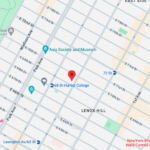
Upper East Side: Full Service Orthopedic Center & Walk-In
1198 3rd Avenue, Between 69th and 70th Street New York, NY 10021Physicians: Monday–Friday 8:00am–6:00pm, Saturday 8:00am–5:00pm
Physical Therapy: Monday–Friday 7:00am–7:30pm, Saturday 8:00am–3:00pm
Sunday: ClosedPhone: (212) 759-4553 -

Orthopedic Doctor Midtown Manhattan NYC — New York Bone & Joint Specialists
425 Madison Ave, Suite 200 (second floor) New York, NY 10017 (corner of East 49th Street)Physician appointments: Mon–Fri 8:00 am–6:00 pm
Physical therapy: Mon–Fri 7 am–7:30 pm, Sat 8 am–3 pmPhone: (212) 759-4553 -

Orthopedic Doctor Upper East Side NYC — New York Bone & Joint Specialists
130 E 67th St New York, NY 10065Currently ClosedPhone: (212) 759-4553