When Morning Joint Pain Becomes a Problem
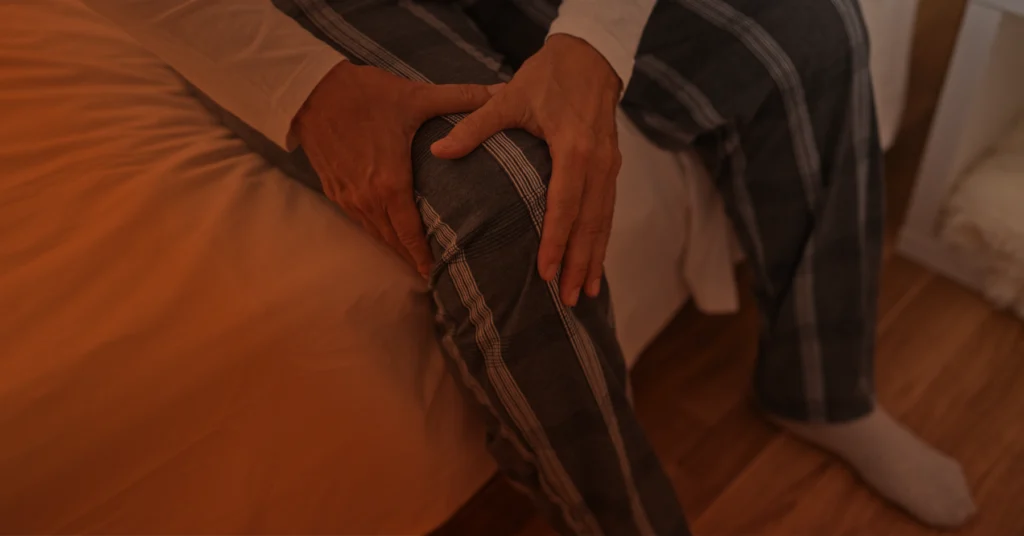
Do you struggle every morning with joint pain and stiffness? It might be time to see an orthopedist.
The alarm clock blares. You want to snuggle under the covers a little longer, but you push through the sleepiness and take your first steps of the day. Then your knees creak, your hips feel tight, or your hands don’t want to cooperate. Why does that happen?
Morning joint pain is common. After hours of sleep, your joints have been still, and that lack of movement can make them feel stiff or achy at first. For many people, a gentle stretch and a few minutes of moving around is enough to loosen things up.
But if pain and stiffness are becoming a regular part of your mornings (lasting longer, getting worse, or making everyday tasks harder) it’s worth checking in with an orthopedic specialist to find out what’s going on.
What is morning joint pain?
Your joints are made to move. When you stay in one position for several hours, they can temporarily lose flexibility. One reason is the synovial fluid inside your joints. This gel-like fluid lubricates the joint surfaces and helps them glide smoothly.
During long periods of rest, synovial fluid can thicken. That “gel phenomenon” (sometimes called “morning gel”) can make your joints feel stiff at first, especially in synovial joints such as the shoulders, elbows, wrists, hips, and knees. Once you start moving, the fluid warms and loosens, and most people feel better within 10–15 minutes.
As we age, synovial fluid naturally thins and joint cartilage wears down, so morning stiffness is more common in older adults. People with conditions such as osteoarthritis or rheumatoid arthritis may notice stiffness that lasts an hour or more. Physical therapy, medications, and other orthopedic treatments can help reduce these symptoms and improve mobility.
Common causes of morning joint pain
Morning joint pain has many possible causes, from chronic conditions to sleep habits and even temperature changes.

1. Arthritis
Arthritis is one of the most frequent sources of morning joint pain.
Osteoarthritis develops as cartilage that cushions the ends of bones gradually thins with age, making joints feel stiff after long periods of rest.
Rheumatoid arthritis is an autoimmune condition in which the immune system mistakenly attacks the tissues lining the joints, often causing prolonged morning stiffness.
Psoriatic arthritis, which is linked to psoriasis, is another inflammatory form of arthritis that can lead to joint pain and stiffness, especially after inactivity.
2. Inflammation from overuse or injury
Morning stiffness can also happen when a joint is irritated from overuse, strain, or a past injury. Repetitive motion or an orthopedic injury may inflame tendons or surrounding soft tissue, leading to creaky, painful joints when you wake up.
Conditions like bursitis—an inflammation of the small, fluid-filled sacs that cushion joints—can cause the knee, hip, or shoulder to feel stiff or even “locked.”
Carpal tunnel syndrome, caused by compression of a nerve in the wrist, can also limit movement and trigger pain or numbness in the morning.
Inflammation can be part of the body’s natural repair process overnight, too, which may leave joints swollen or sore first thing in the day.
3. Sleeping position or poor ergonomics
Your sleep setup and posture can contribute more than you might think. A mattress that’s too soft or worn out can lack the support your spine and joints need, while a pillow that pushes your neck too far up or down can leave you stiff by morning. Sleeping in an awkward position may compress joints or strain muscles, increasing stiffness when you wake.
Lifestyle factors such as smoking, inactivity, long periods of sitting, and poor posture can also reduce joint mobility over time. And if you do strenuous exercise without stretching afterward, muscles may stay tight overnight, adding to morning joint discomfort.
4. Weather and temperature changes
Many people notice more joint discomfort when temperatures drop. Cold temperatures can slow circulation and increase arthritis-related pain and stiffness. Even rapid shifts in temperature can affect joint sensitivity and make mornings feel tougher on the body.
5. Dehydration or low overnight movement
Because your body naturally moves less during sleep, synovial fluid circulation slows down, which may leave joints under-lubricated by morning. Dehydration can worsen this effect: when you don’t drink enough water, synovial fluid production may drop and muscles can become less flexible. If you’re generally inactive during the day, joint mobility may decline even further, making stiffness more noticeable when you wake up.
6. Chronic conditions
Some longer-term health conditions can also cause morning joint stiffness and pain.
Fibromyalgia often leads to widespread body aches along with fatigue and disrupted sleep.
Autoimmune conditions like rheumatoid arthritis or psoriatic arthritis are common culprits in prolonged morning stiffness, and thyroid disorders (particularly hypothyroidism) can contribute to joint pain in areas like the knees, ankles, feet, and hands as well.
When morning joint pain is a sign of something more serious
Most morning joint pain improves quickly once you get moving. But certain symptoms suggest you should get an orthopedic evaluation:
- Joint stiffness or pain that lasts longer than an hour in the morning
- Ongoing swelling, warmth, or redness
- Limited mobility that interferes with daily activities
- Other symptoms such as numbness, tingling, or a locking/catching sensation
At-home remedies to reduce morning joint pain
A physical therapist can tailor a plan to your specific joints, but you can start your day without pain with a few simple at-home tricks.
1. Morning mobility routine
Gentle stretches can help loosen stiff joints and get blood flowing before you start your day. Examples include:
Knee to chest stretch
- Remain on your back and pull both knees toward you until your feet are flat on the bed.
- Grab your right knee with both hands and pull toward your chest.
- Do the same with the left knee.
- Hold for about 30 seconds.
- Repeat two to three times.
Shoulder and upper back stretch
- Stand up and hold your right elbow with your left hand.
- Stretch your right arm across the front of your body, keeping your arm straight.
- Do the same with your opposite arm.
- Hold for 30 seconds, and do two to three repetitions.
It’s also a great idea to do some dynamic range-of-motion exercises to help your joints move more freely, gently taking them through their natural motions. These include drills like:
Ankle circles
- Sit or stand (hold onto something for balance) and raise one foot off the floor.
- Draw clockwise circles with your toes.
- Repeat counterclockwise, then switch feet.
Leg swing
- Stand tall and hold onto something sturdy.
- Gently swing one leg forward and back in a comfortable range of motion.
- If this is too difficult, simply tap your foot in front of you and behind you without raising it.
2. Anti-inflammatory habits
If morning pain comes with swelling or lingering soreness, adding a few inflammation-lowering habits can help.
Heat therapy (like a warm shower when you wake up) can relax tight muscles and loosen joints. Cold therapy may be useful if a joint feels puffy or irritated, since icing can reduce occasional swelling.
Over-the-counter pain relievers may offer short-term relief, too, but it’s best to check with your doctor about safe dosage and possible interactions with other medications.
3. Sleep adjustments
Since stiffness often starts during the night, small changes to your sleep setup can make a big difference.
A supportive mid-firm mattress helps keep your spine aligned and reduces pressure on the hips, knees, and back. Your pillow should support your neck so it stays level with your spine, not tilted too far up or down.
Sleep position matters as well: back and side sleeping are generally easiest on the joints. If you sleep on your back, placing a pillow under your knees can relieve strain. If you sleep on your side, a pillow between your knees can keep your hips and spine aligned.
4. Lifestyle adjustments
Finally, morning stiffness is often tied to how your joints are treated the rest of the day. Regular low-impact activity such as walking, swimming, or biking keeps joints lubricated and flexible without overloading them. Strength training can also help by building supportive muscle around the joints.
Nutrition plays a role, too: an anti-inflammatory diet rich in leafy greens, colorful vegetables, and Omega-3 fats (like salmon, flaxseed, and walnuts) may reduce joint irritation. Getting enough calcium and vitamin D supports strong bones and joint function, and maintaining a healthy weight helps reduce stress on weight-bearing joints like hips and knees.
Start your day without joint pain
Morning joint pain is common, but persistent stiffness, swelling, or limited mobility may signal an underlying issue that deserves expert evaluation.
New York Bone & Joint Specialists offer comprehensive orthopedic diagnostics and personalized treatment options—from physical therapy and guided injections to minimally invasive procedures when needed. Our team focuses on long-term joint health, prevention strategies, and restoring comfortable, confident movement.
Ready to wake up feeling better? The team at New York Bone & Joint can create a plan to reduce morning pain and help you move more easily. Contact us today for a consultation.
FAQs
Why do my joints hurt when I wake up?
Morning joint pain can come from many causes, including arthritis, sleeping on a mattress that doesn’t support your body well, or an old injury. The most common reason is that synovial fluid thickens overnight, making joints feel stiff until you start moving.
How to get rid of morning joint pain?
Start with gentle movement. Simple stretches or range-of-motion exercises, even before you get out of bed, can loosen joints. If stiffness lasts a long time or keeps getting worse, an orthopedist can help identify the cause and recommend treatment.
What vitamin am I lacking if my joints hurt?
Most likely vitamin D. It’s essential for bone and muscle health. Have your doctor test your vitamin D levels, and if you are deficient, take a vitamin D supplement regularly. You also may not be consuming enough Omega-3 fatty acids.
Can dehydration cause joint pain?
Yes. Not drinking enough water can reduce synovial fluid production and make muscles and joints less flexible, which may worsen morning stiffness.
What are the warning signs of rheumatoid arthritis?
Rheumatoid arthritis often causes morning stiffness that lasts longer than an hour. Other signs can include swelling, warmth, and pain in the same joints on both sides of the body, along with fatigue or a general “flu-like” feeling early on. If these symptoms sound familiar, an orthopedic evaluation is a good next step.
Our Locations
-

Upper East Side: Full Service Orthopedic Center & Walk-In
1198 3rd Avenue, Between 69th and 70th Street New York, NY 10021Physicians: Monday–Friday 8:00am–6:00pm, Saturday 8:00am–5:00pm
Physical Therapy: Monday–Friday 7:00am–7:30pm, Saturday 8:00am–3:00pm
Sunday: ClosedPhone: (212) 759-4553 -

Orthopedic Doctor Midtown Manhattan NYC — New York Bone & Joint Specialists
425 Madison Ave, Suite 200 (second floor) New York, NY 10017 (corner of East 49th Street)Physician appointments: Mon–Fri 8:00 am–6:00 pm
Physical therapy: Mon–Fri 7 am–7:30 pm, Sat 8 am–3 pmPhone: (212) 759-4553 -

Orthopedic Doctor Upper East Side NYC — New York Bone & Joint Specialists
130 E 67th St New York, NY 10065Currently ClosedPhone: (212) 759-4553