Jaw Tension and Neck Pain: The Connection Most People Miss
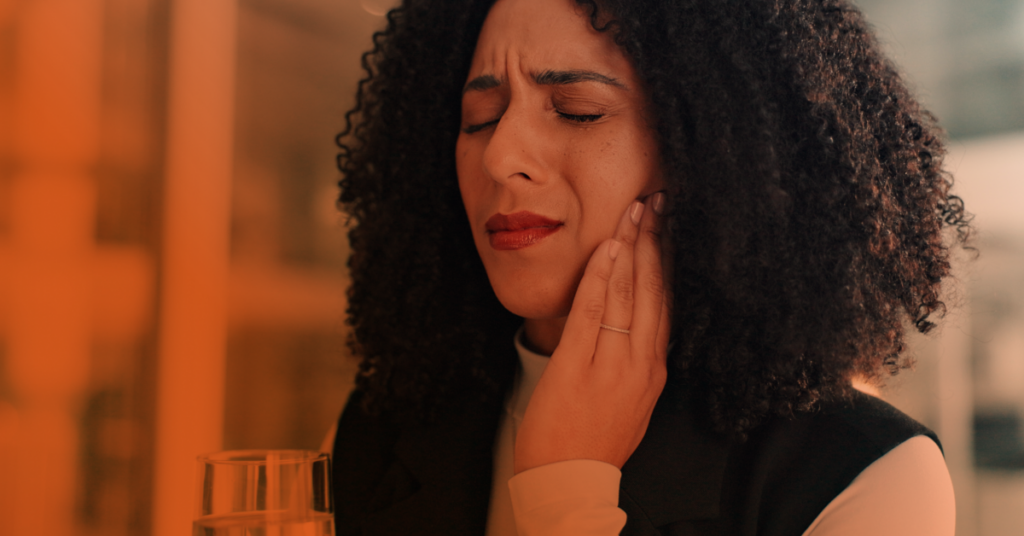
Your neck is aching and stiff. But is the real reason found in your jaw?
Every year, 1 in 3 people report neck pain, making it one of the most common orthopedic complaints. Yet in many cases, the pain isn’t centered in the neck. It may actually be due to dysfunction in the temporomandibular joint (TMJ) at both sides of your jaw. Surprised? You shouldn’t be. Jaw tension and neck pain are very much related. But the link is often overlooked as many medical professionals shift their attention to the neck.
TMJ symptoms include chronic jaw pain, headaches, and difficulty opening the mouth. But TMJ pain can also spread to the neck because the jaw and neck are interconnected. Luckily, TMJ is very treatable with conservative remedies to soothe neck and jaw tension.
What is TMJ?
You have a TMJ at both sides of your face, with each located near your ears. A hinge joint, the TMJ connects your jaw to your skull. It slides so you can talk, chew, move your face, and yawn.
TMJ disorders (TMDs) refer to several conditions affecting the joint itself and the muscles surrounding it. Pain and stiffness in the jawbone are classic symptoms of TMDs. According to the TMJ Association Ltd., 35 million people in the U.S. suffer from TMJ disorders. It tends to affect adults between the ages of 20 and 40, with a higher prevalence among women.
Common TMJ Symptoms
TMJ disorder symptoms typically begin in the jaw region, but can eventually radiate to the neck, too. These characteristics are often associated with TMJ dysfunction.
- Jaw pain or tenderness
- Sensation of the jaw “locking up”
- Clicking or popping accompanied by pain
- Difficulty chewing
- Headaches and facial pain
- Tinnitus or ringing in the ears
- Dizziness or vertigo
- Neck stiffness or pain
How Jaw Tension Causes Neck Pain
Your jawbone and neck are more connected than you might think. The two joints are intertwined at the atlas, the C1 vertebrae at the very top of the cervical spine. They share several muscles and nerves that help both function, as well.
Stable head and neck muscles support proper jaw function. On the other hand, dysfunction in the TMJ can lead to jaw discomfort and referred neck pain.
Shared Muscles and Anatomy
- The TMJ and the cervical spine are connected via several muscles, specifically the sternocleidomastoid, trapezius, and suboccipital muscles.
- Tension or a misbalance in the jaw muscles force the neck muscles to compensate, leading to pain and stiffness.
Nerve Connections
- The TMJ and the upper cervical spine share the same neural pathway.
- Irritation, inflammation, or compression of that nerve results in both neck pain and TMJ symptoms such as headaches.
Postural Changes
- Forward head tilt from looking down at devices or computer screens strains the neck and jaw muscles
- Slouching and poor posture increase strain on cervical spine
Compensation Patterns
- A TMJ disorder can throw the cervical spine out of alignment, shifting the pressure to the atlas and lower neck vertebrae
- A misaligned atlas can force the head to tilt improperly and increase stress on the TMJ.
Why this Connection is Often Missed
As mentioned previously, neck pain is very common and receives the lion’s share of attention. Moreover, medical professionals often miss the connection between jaw tension and neck pain.
- Pain is felt in the neck, not the jaw
- Diagnosis and treatment target the neck
- TMJ is not always evaluated in neck pain cases
- TMJ disorders and neck pain often overlap with other common conditions (tech neck, stress, disc issues in the cervical spine)
Common Causes of TMJ-Related Neck Pain
TMJ-related neck pain can be attributed to a number of conditions, making an exact diagnosis difficult at times. Successful treatment relies on an accurate diagnosis of the true source of the pain and whether a TMJ disorder is the reason.
- Teeth grinding (bruxism) related to stress
- Poor posture due to tech devices and desk work
- Muscle tension leading to chronic jaw clenching
- Injury or trauma to the jaw, such as a blow or whiplash
- Arthritis in the TMJ
How TMJ Affects Movement and Daily Life
The TMJ supports so many of our daily activities it’s easy to ignore its importance. Yet a painful or tense TMJ will greatly impact your quality of life.
- Difficulty turning your head
- Inability to chew food properly
- Struggle to speak due to pain
- Headaches
When to See a Specialist
Many cases of TMJ resolve in a few weeks with home remedies. But continuing troubling symptoms require the attention of a medical professional.
- Persistent jaw tension and neck pain
- Clicking or locking of the jaw with pain. (A clicking sound without pain can be normal.)
- Pain affecting daily activities, like chewing and speaking
- Frequent headaches
- Pain radiating to the neck and shoulders
TMJ Treatment Options
Conservative or minimally invasive treatments can effectively treat TMJ symptoms and restore jaw function.
Conservative Treatments
- Physical therapy. One study found exercises targeting the neck improved neck and TMJ symptoms in women. PT exercises focus on gently stretching and strengthening the jaw muscles.
- Mouth guards. A custom-made and removable mouth guard can stabilize the jaw and prevent teeth grinding or clenching.
- Medications. Over-the-counter pain relievers (acetaminophen) or nonsteroidal anti-inflammatory medications (ibuprofen or naproxen) can treat pain. Muscle relaxants and anti-depressants may also be prescribed. Take as ordered by the doctor.
- At-home treatments. Alternate between moist hot and cold therapy to reduce pain.
- Lifestyle changes. Cut food into smaller, chewable bits. Avoid teeth clenching and gum chewing. Rest your tongue on the palate and maintain your jaw in a relaxed position.
- Stress reduction. Practice stress reduction techniques, such as mindfulness and meditation. Biofeedback can alert you when you’re tensing your jaw, prompting you to relax.
- Transcutaneous electrical stimulation (TENS). This technique uses a device to pulse a gentle electric current to your nerves or muscles to block pain signals.
Advanced Treatments
- Injections. A corticosteroid injection into the joint may relieve pain and loosen the joint. Botox is another option, but its effectiveness is up for debate.
- Surgery. Several surgical techniques have been developed to treat TMJ disorders. However, surgery is only recommended for severe pain that has not responded to other treatments or if there is a structural issue in the joint.
How Physical Therapy Helps
To determine why your jaw and/or neck ache, your orthopedist can perform a physical exam to evaluate jaw movement and pain points. Imaging tests may also be ordered to assess the status of the jaw and neck joints and muscles.
A thorough evaluation by an orthopedic specialist and a physical therapist can:
- Identify the root cause (whether in the jaw or neck, or both)
- Correct improper posture and movement patterns specific to the neck and jaw
- Address muscle imbalances in the neck and jaw
- Prevent recurrence of jaw and/or neck pain
Don’t Ignore the Jaw and Neck Connection
Your jaw and neck share more than a close proximity to each other. They’re also connected by muscles and nerves. That close link often means that TMJ pain travels to the neck. But focusing solely on neck pain will not treat the exact cause if it’s due to a TMJ disorder.
An orthopedic physician at New York Bone & Joint Specialists can diagnose exactly where the problem lies — the jaw or the neck or both — and treat the pain with a comprehensive approach with conservative therapy. Contact our office today for relief of your neck and jaw pain.
FAQs
What is TMJ?
TMJ disorder refers to pain and dysfunction in the temporomandibular joint (TMJ) at both sides of your jaw bone. Along with the surrounding muscles, this hinge joint allows you to speak, chew, and yawn.
Can TMJ cause neck pain?
Yes, it can. The jaw and upper neck are connected via a network of muscles and nerves. Several conditions such as arthritis, poor posture, or teeth grinding can interrupt that connection, resulting in pain in the cervical spine as well as the jaw.
What are common TMJ symptoms?
Jaw pain, a clicking sound when moving the jaw, headaches, and difficulty chewing are the main TMJ symptoms. TMJ disorder can also cause neck stiffness.
What are the best TMJ exercises?
Chin tucks and side-to-side jaw movements can improve joint mobility and reduce pain. A physical therapist can show you gentle jaw exercises.
How do I relieve jaw tension and neck pain?
Physical therapy, posture correction, and mouth guards can help. Stress management to ease a tense jaw is also beneficial. Minimally invasive techniques such as steroid injections or electrical stimulation to block pain signals have proven successful in treating TMJ disorders.
Our Locations
-

Upper East Side: Full Service Orthopedic Center & Walk-In
1198 3rd Avenue, Between 69th and 70th Street New York, NY 10021Physicians: Monday–Friday 8:00am–6:00pm, Saturday 8:00am–5:00pm
Physical Therapy: Monday–Friday 7:00am–7:30pm, Saturday 8:00am–3:00pm
Sunday: ClosedPhone: (212) 759-4553 -

Orthopedic Doctor Midtown Manhattan NYC — New York Bone & Joint Specialists
425 Madison Ave, Suite 200 (second floor) New York, NY 10017 (corner of East 49th Street)Physician appointments: Mon–Fri 8:00 am–6:00 pm
Physical therapy: Mon–Fri 7 am–7:30 pm, Sat 8 am–3 pmPhone: (212) 759-4553 -

Orthopedic Doctor Upper East Side NYC — New York Bone & Joint Specialists
130 E 67th St New York, NY 10065Currently ClosedPhone: (212) 759-4553