Osteoporosis Awareness Month: What to Know About the Condition
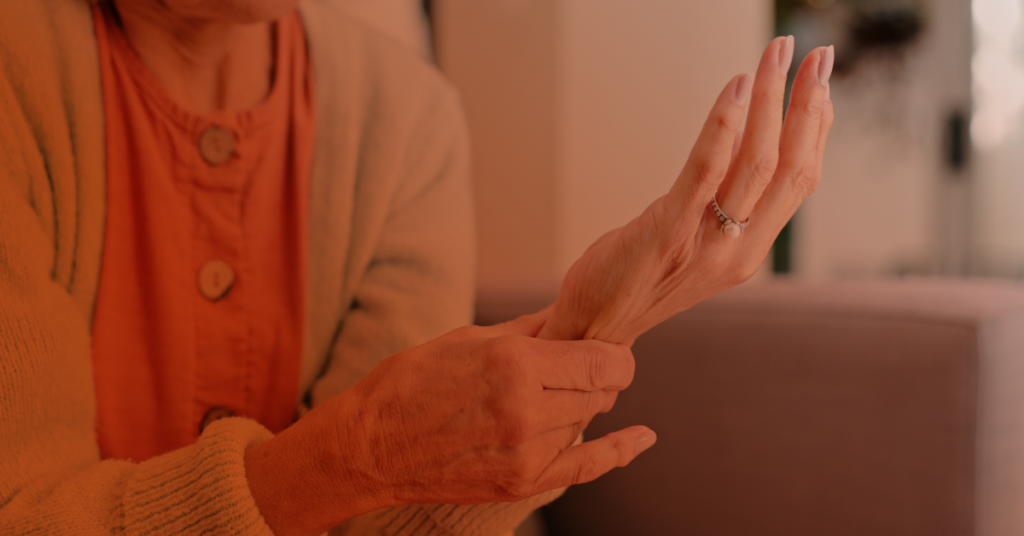
Osteoporosis often goes undiagnosed for years. Osteoporosis Awareness Month hopes to change that.
Osteoporosis, a condition causing progressive thinning of the bones, is often referred to as a “silent disease.” That’s because many affected by the condition are unaware they have it until a serious bone fracture occurs. In an effort to get the word out about this major national health issue, May has been designated Osteoporosis Awareness Month.
Increased recognition of the disease can spur more people — especially older women — to seek a diagnosis and start treatment. Early intervention can slow bone loss and prevent a potentially crippling fracture. Knowing your risk factors and what you can do to build up bone mass will maintain healthy bones for many years.
What is Osteoporosis?
Your bone tissue undergoes a constant process of breaking down and renewal. When tissue breaks down, it’s then replaced. We reach peak bone density in our 30s. After that age, our bone density gradually diminishes as we cannot build new tissue fast enough to keep up with the lost tissue.
Most adults are unaware their bones are gradually getting thinner. They may experience no symptoms, or only minor signs such as lower back pain. Unfortunately, many people with osteoporosis are not diagnosed until they suffer a fracture, typically in the spine, hip, or wrist.
Why National Osteoporosis Awareness Month Matters
According to the Bone Health & Osteoporosis Foundation (BHOF), approximately 10 million adults have osteoporosis with another 44 million at risk of the condition due to lower than normal bone mass. Yet the condition is severely under-diagnosed. One government study found nearly 70 percent of people with osteoporosis went undiagnosed.
Osteoporosis Awareness Month strives to raise public knowledge about this pressing public health issue. The BHOF estimates osteoporosis leads to 2 million broken bones each year, with related costs reaching $19 billion.
For older adults, a fracture of the hip or spine often results in persistent pain and possibly irreversible loss of mobility. Early orthopedic diagnosis and care can greatly reduce those debilitating consequences.
Osteoporosis Risk Factors
Osteoporosis Awareness Month coincides with National Women’s Health Month. Not surprising since the two initiatives are closely linked because older women are at greater risk of osteoporosis. One study revealed that 27.1 percent of women over the age of 65 were diagnosed with osteoporosis compared to 17 percent of men.
Loss of bone density increases the risk of fracture in seniors. The International Osteoporosis Foundation estimates 75 percent of fractures due to osteoporosis happen in people aged 65 and over.
Recognizing your risk factors can lead to timely diagnosis and treatment. Osteoporosis risk factors fall into two categories: Those you cannot control and those you definitely can.
Non-Modifiable Risk Factors
- Aging. We naturally lose bone mass as we grow older.
- Female sex/postmenopause. The loss of bone-protecting estrogen raises the chance of osteoporosis.
- Family history. Osteoporosis tends to run in families, particularly if a parent suffered a fracture.
- Ethnicity. Caucasian and Asian women have a higher incidence of the condition.
- Body frame size. Women of smaller stature have less bone mass to lose.
Modifiable Risk Factors
- Smoking. Cigarette smoking can hasten bone loss.
- Alcohol use. More than two drinks a day raise osteoporosis risk.
- Sedentary lifestyle. Less active people fail to build bone mass with exercise.
- Low calcium/vitamin D intake. Lack of calcium and vitamin D deprives bones of the nutrients they need to stay strong.
- Long-term corticosteroid use. Cortisone and prednisone, as well as other medications, can contribute to shrinking bone density.
Signs and Symptoms of Osteoporosis
As mentioned previously, osteoporosis is known as the “silent disease.” For many people, the signs are so subtle they may go unnoticed. Yet recognition of emerging osteoporosis symptoms can lead to bone-saving treatment.
- Back pain caused by a broken bone in the spine
- Loss of height of an inch or more
- Stooped posture or bending forward more
- Fragility fractures caused without much force, such as stepping off a curb
How Osteoporosis is Diagnosed
Osteoporosis screening is recommended for high-risk postmenopausal women over the age of 65. But it can start sooner if you have a family history of the condition or other contributing factors.
Medical history. Your doctor will ask about any family members with the condition and the medications you take.
Physical exam. Your doctor will note changes in your height and posture.
Imaging test. The gold standard for osteoporosis screening is a dual-energy X-ray absorptiometry, also known as a DEXA or DXA scan. A scanner passes over your body, focusing on the hips and spine. A T-score of more than 2.5 deviations below the normal range is considered osteoporosis.
Osteoporosis Treatment Options
Osteoporosis can be effectively managed with simple lifestyle changes and medications. A physical therapist can show you bone-building exercises, too. Your doctor can discuss various medications to choose which is right for you.
Lifestyle Changes
- Weight-bearing aerobic exercise such as walking and elliptical training
- Strength training with free weights and resistance bands
- Dietary changes and supplements to boost calcium and vitamin D intake
- Fall prevention strategies (removing loose rugs, wearing shoes with non-skid soles)
Medications
- Bisphosphonates. This class of drugs is designed specifically to treat osteoporosis.
- Hormone-related therapies. Drugs such as Evista mimic the effect of estrogen.
- Other bone-strengthening medications. Synthetic versions of the parathyroid hormone that increases bone density can be prescribed.
Physical Therapy and Orthopedic Care
Osteoporosis treatment extends beyond medications and lifestyle adjustments. Physical therapy under the direction of an orthopedist can preserve bone density, too.
Physical therapy can:
- Improve balance and flexibility for greater mobility
- Prevent falls and fractures
- Manage pain and increase range of motion after fractures
Can Osteoporosis be Reversed?
Bone loss is a natural occurrence as we age. Treatment, medications, and physical therapy can significantly slow the progressive of bone loss and stabilize your bones at a healthy level. But your bones may never recover to what they were in your 20s.
Your bones are essential to everything you do, from walking and running to climbing stairs and playing sports. For dense bones at any age, start taking care of your bones now.
Preventing Osteoporosis Before it Starts
Preventing osteoporosis begins at the dinner table. Boost your intake of calcium, vitamin D, and protein for stronger bones.
Nutrition
Calcium. The recommended daily intake of calcium is between 1,000 and 1,200 milligrams. Good sources of the mineral include green leafy vegetables, canned salmon, tofu, and low-fat dairy products.
Vitamin D. Vitamin D helps absorb calcium in your bones. You need at least 600 IU units of the vitamin a day, which you can get from salmon, fortified cereal, supplements, or walking in sunlight.
Protein. Older adults fail to consume enough protein, but eating too much high-protein foods like meats can interfere with calcium absorption. Try to consume dairy products that provide both protein and calcium. Aim for 1 to 1.2 grams of protein per kilogram of body weight per day. That translates to 90 to 110 grams for a 200-pound person.
Exercise
When your muscles contract and support your weight, you trigger the mechanism that grows bone mass. The International Osteoporosis Foundation recommends 30 to 40 minutes of weight-bearing aerobic activities along with muscle-strengthening exercises three to four times a week.
- Aerobic exercise. Walking, hiking, or dancing
- Resistance or weight training. Lifting weights, planks, or squats
- Balance exercises. Stand on one leg, tai chi
What Not to Do
These habits definitely harm your bones. Avoid them.
- Smoking
- Excessive alcohol consumption
- Being inactive
- Losing too much weight/poor diet
When to See a Specialist
Osteoporosis symptoms may be subtle at first. Yet they still warrant evaluation. See an orthopedist if you have:
- A personal history of fractures and/or risk factors
- Chronic back pain
- Height loss or stooped posture
- A family history of osteoporosis
- Fears about falling
- Any concerns about bone density
How New York Bone & Joint can Help
At New York Bone & Joint Specialists, our practice involves treatment of musculoskeletal conditions, including bone loss. Our orthopedists can diagnose and suggest treatments for osteoporosis with our compassionate and comprehensive approach.
- Perform bone health evaluations, like a physical exam and a DEXA scan
- Orthopedic treatment and management of fractures
- Physical therapy and strengthening programs centered on building bone mass
- Personalized treatment plans focused on long-term mobility and prevention of falls
The Importance of Osteoporosis Awareness Month
Osteoporosis affects 10 million adults, with a higher prevalence among older women. Another 44 million are a risk due to low bone density. This bone-thinning condition often leads to debilitating hip and spine fractures in elderly persons.
Osteoporosis Awareness Month is a national campaign to increase public awareness of this “silent disease” so more will seek early treatment and avoid potentially devastating injuries. New York Bone & Joint Specialists applauds this effort. We encourage you to come to our office for an osteoporosis consultation and treatment. Keep your bones healthy for life!
FAQs
What is osteoporosis?
It’s a condition that gradually weakens the bones. Our bones are in a constant state of breaking down and building back bone tissue. Before age 35, your bones can make up for lost bone tissue. After that age, bone tissue is lost faster than it can be replaced. Too much bone loss results in osteoporosis.
What are the biggest osteoporosis risk factors?
Some risk factors, such as age, menopause, and family history, cannot be changed. But lifestyle habits, such as smoking, inactivity, and drinking, can be stopped to keep your bones strong.
Can osteoporosis be reversed?
Yes, treatments can successfully prevent further thinning of your bones. The earlier you receive treatment the better chance you have of maintaining healthy, dense bones for the rest of your life.
What is the best osteoporosis treatment?
Osteoporosis treatment involves a combination of medications, exercises, and nutrition to strengthen your bones and hold back bone loss. Since osteoporosis is a major risk factor for fractures, fall prevention methods are also helpful.
When should I get screened for osteoporosis?
Screenings are advised for postmenopausal women or any women 65 or older. Younger women can be evaluated if they have a family history of osteoporosis, previous fractures, or lifestyle factors that put them at risk.
Our Locations
-
Upper East Side: Full Service Orthopedic Center & Walk-In
1198 3rd Avenue, Between 69th and 70th Street New York, NY 10021Physicians: Monday–Friday 8:00am–6:00pm, Saturday 8:00am–5:00pm
Physical Therapy: Monday–Friday 7:00am–7:30pm, Saturday 8:00am–3:00pm
Sunday: ClosedPhone: (212) 759-4553 -

Orthopedic Doctor Midtown Manhattan NYC — New York Bone & Joint Specialists
425 Madison Ave, Suite 200 (second floor) New York, NY 10017 (corner of East 49th Street)Physician appointments: Mon–Fri 8:00 am–6:00 pm
Physical therapy: Mon–Fri 7 am–7:30 pm, Sat 8 am–3 pmPhone: (212) 759-4553 -

Orthopedic Doctor Upper East Side NYC — New York Bone & Joint Specialists
130 E 67th St New York, NY 10065Currently ClosedPhone: (212) 759-4553