Summer Sports and Your Joints: What to Watch For This Season
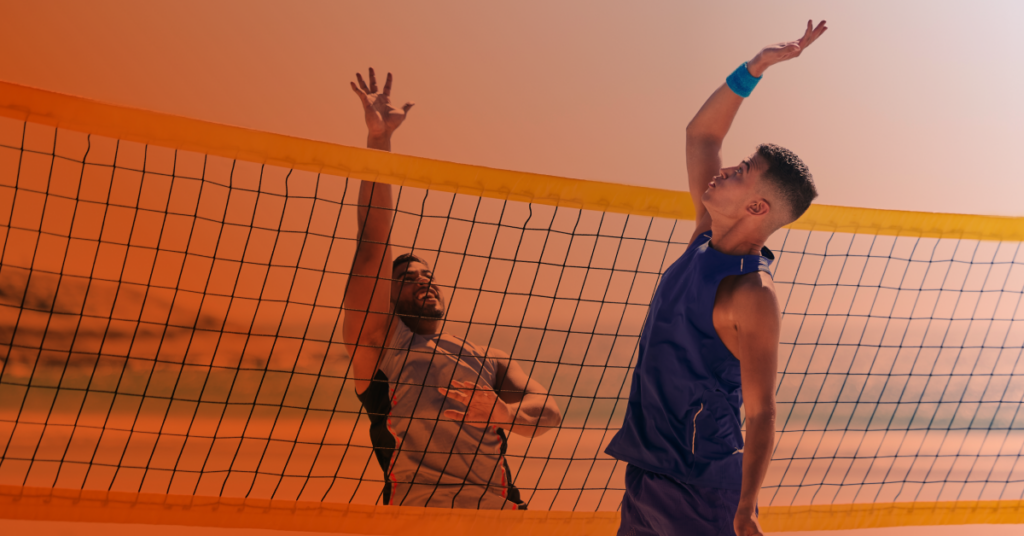
Summertime means getting out and playing sports. Just be sure to keep your joints healthy all summer long.
Finally, summer is here. After a long, snowy winter, New Yorkers can break out of their cramped apartments and play in the sunshine. Around the city, pickleball, basketball, and tennis courts are open. Runners can lap around Central Park, while softball players run the bases on the diamond.
Playing fields around the city burst with energy as the temps warm up. However, the shift from winter to summer can cause a spike in summer sports injuries, especially to those all-important joints. One study found a higher volume of orthopedic-related trauma in the summer months versus wintertime.
That doesn’t mean you have to stay inside and not enjoy sports. Just be aware of any joint pain and seek orthopedic care immediately in New York City. Early treatment keeps you in playing shape so you don’t miss a day of fun in the sun.
Why Summer Sports Lead to More Joint Problems
Outdoor exercise in sunshine and warmer temperatures invigorates the body and mind. But those same rising temperatures may also raise the risk of summer joint problems.
A joint is formed when the ends of two or more bones meet. A network of tendons, cartilage, ligaments, and muscles enable the joint to easily move, bend, and twist. Because we use our joints so much in sports and everyday tasks, they face a greater risk of overuse injury and other damage. That risk increases in the summer for a number of reasons.
- Increased participation in outdoor recreational sports
- Sudden jump in activity after a sedentary winter or spring
- “Weekend warrior” phenomenon causes people to do too much too soon and overtax their stiff muscles and joints
- Exercising in heat can lead to fatigue as well as slowed coordination and reaction time
Exercising any time of year boosts your muscle fitness and cardiovascular health. Yet dashing into sports in summer without preparation or training can strain these vulnerable joints — all of which you engage to run, jump, twist your body, and perform overhead motions.
Common Summer Sports Injuries Affecting the Joints
Specific orthopedic joint injuries typically spring up in the summer. The injuries are usually related to sporting activities involving frequent jumping, pivoting, running, and reaching overhead. All those movements increase the odds of an overuse injury.
Knee Injuries
- Meniscus tear. A rupture of the medial collateral ligament (MCL) supporting the inner side of the knee
- Anterior cruciate ligament (ACL) injury. A sprain or tear of the ligament inside the knee connecting the thigh bone to the shin bone
- Patellar tendonitis. An inflammation or injury to the patellar tendon that connects the kneecap to the shin bone. Also known as “jumper’s knee.”
- Runner’s knee. Also known as patellar chondromalacia, this condition is marked by pain in the front of the knee
Common sports: Running, soccer, basketball, pickleball
Shoulder Injuries
- Rotator cuff tendonitis. An inflammation of the rotator cuff tendons in the shoulder
- Shoulder impingement. The rotator cuff tendons become pinched between the bones of the shoulder joint
- Shoulder bursitis. An inflammation of the fluid-filled sacs (bursa) between the shoulder tissues
Common sports: Tennis, swimming, baseball
Ankle Injuries
- Sprains. An over-stretched or torn ligament in the ankle
- Chronic ankle instability. Condition caused by repeated ankle sprains
Common sports: Trail running, basketball, volleyball
Elbow Injuries
- Tennis elbow (Lateral epicondylitis). An inflammation of the tendons along the outer elbow
- Golfer’s elbow, or medial epicondylitis. An inflammation of the tendons in the inner elbow
Common sports: Tennis, pickleball, golf
Hip Injuries
- Hip flexor strains. A strain of the muscles along the front of the hip
- Labral injuries. A strain or tear of the labrum, or the cartilage lining the socket of the hip
- Bursitis. An inflammation of the tiny, fluid-filled sacs in the hip
Common sports: Running, cycling, soccer
Warning Signs You Shouldn’t Ignore
Feeling a bit sore after a workout is considered normal. With rest, your muscles will re-strengthen. Nevertheless, always be alert for signs your joints could be over-stressed and need medical intervention.
Pain that Persists Beyond Normal Soreness
- Recognize the difference between normal muscle soreness alleviated by gentle movement, and joint pain, which may take longer to heal and is usually accompanied by other symptoms, such as swelling.
- Pain lasting more than a few days
Swelling
- Indicates inflammation or structural injury
Instability
- The joint feels like it may “give out,” or a sensation of weakness in the joint
Clicking, Locking, or Catching
- Signals possible cartilage damage in the joint
Reduced Range of Motion
- Stiffness and difficulty performing normal movements
Why Heat and Dehydration Matter
In addition to stressed-out joints, summertime athletes must up their fluid intake to perform at their peak. The recommended guideline for adults is 6 to 12 ounces of water for every 20 minutes playing sports. And if you wait until you’re thirsty to drink, you’re already slightly dehydrated. So make sure to slip before, during, and after your workout.
Water lubricates the joints and supports muscle function. Dehydration, on the other hand, can negatively affect your athletic performance.
- Contributes to muscle fatigue and cramping
- Weakens the muscles and provides less support for joints
- Increases risk of confusion, dizziness, and awkward movements leading to injury
How to Protect Your Joints This Summer
Take care of your joints and they will help you through a fun, active summer. Keep these tips in mind.
Warm Up Before Activity
- Dynamic stretching, active movements such as a lunge or arm circles, to warm up the muscles
- Sport-specific movements, such as footwork and lateral movements before a basketball game
Build Activity Gradually
- Avoid sudden spikes in intensity or duration
- Follow the “10% rule”: Bump up your activity by only 10 percent each week.
Strengthen Supporting Muscles
- Core strengthening (bridge, crunches)
- Hip and glute strengthening (calf raises, squats)
- Shoulder stabilization exercises (crossover arm stretch, elbow flexion with weights)
Prioritize Recovery
- Get adequate sleep
- Schedule regular rest days
- Participate in active recovery (low-impact aerobics like walking and biking)
Wear Proper Equipment
- Appropriate footwear with arch and ankle support
- Sport-specific protective gear for elbows and knees
Summer Sports and Arthritis: A Special Consideration
A gradual wearing down of the cartilage cushioning the bones of a joint, arthritis can make exercising painful anytime of year. Intense humidity and steaming temperatures tend to trigger arthritis symptoms.
It’s vital to maintain joint mobility even during the difficult summer months. Exercise can ease arthritis symptoms by:
- Strengthening the muscles around the joint
- Keeping the bones strong
- Improving balance
People with arthritis should consider low-impact alternatives to ease joint pain in summer:
- Walking
- Swimming
- Cycling
- Water aerobics
When to Seek Orthopedic Care
Severe joint pain can put a damper on your summer exercise. Take note of symptoms that could mean your joints need orthopedic care in New York City. Prompt treatment will get you back in the game.
Schedule an Evaluation If You Have:
- Ongoing pain lasting weeks
- Swelling that doesn’t improve with rest or icing
- Limited mobility in the joint
- Joint instability or a feeling of weakness in the joint
- Inability to participate in sports or daily activities
Benefits of Early Intervention
- Faster recovery with physical therapy and conservative treatment
- Prevention of chronic issues or continued joint damage
- Potential to avoid surgery
How New York Bone & Joint Helps Active New Yorkers Stay in the Game
New York Bone & Joint Specialists has the in-depth knowledge and expertise to treat your joint pain. Our practice strives to provide the best orthopedic care in the city. Here is what we offer our patients:
- Comprehensive orthopedic evaluations
- Advanced imaging and diagnostics with cutting-edge techniques and technology
- Non-surgical treatment options for a range of joint conditions
- Physical therapy and rehabilitation programs
- Minimally invasive surgical solutions when needed
- Expertise in treating athletes and active adults
It’s Summer! Get Outside and Enjoy the Season
Warm weather brings out the athlete in all of us. We want to get out in the sunshine and play our favorite sport. Unfortunately, a sudden increase in your activity level in the summer puts extra demands on your joints.
At New York Bone & Joint, we want New Yorkers to fully enjoy the summer months. At the first sign of joint pain, come to our office for an evaluation. Early intervention can keep you active and healthy all season long. Schedule a consultation today.
FAQ
What are the most common summer sports injuries?
Exercising in warm weather is great, but your joints carry the load of a sudden increase in activity after a winter hibernation. Meniscus and ACL tears in the knee; rotator cuff injuries to the shoulder, and ankle sprains count among the most common summertime joint injuries.
Why does joint pain seem worse during summer activities?
Because we rev up our participation in sports and exercise when the weather heats up. Sports demanding repetitive motions (throwing a baseball, swinging a tennis racket, basketball jumps) can place overwhelming stress on the joints.
How can I prevent summer sports injuries?
Gradually build up your activity level and intensity. Warm up properly with dynamic stretching before taking the field. Strengthen the supporting muscles around the joint, and be sure to stay hydrated. It will keep your joints lubricated and muscles flexible. And give you body time to recover after a workout with rest and adequate sleep.
When should I see an orthopedic specialist?
See an orthopedist if pain, swelling, instability, or limited mobility in the joint persist beyond a few days or interfere with daily activities. Early treatment can prevent further damage to the joint and get you back to the sport you love.
Can I continue exercising if I have arthritis?
In most cases, yes. In fact, it’s recommended people with arthritis stay active even when humidity increases symptoms. Low-impact activities (walking, cycling) and a guided exercise plan can maintain joint health and mobility.
Our Locations
-

Upper East Side: Full Service Orthopedic Center & Walk-In
1198 3rd Avenue, Between 69th and 70th Street New York, NY 10021Physicians: Monday–Friday 8:00am–6:00pm, Saturday 8:00am–5:00pm
Physical Therapy: Monday–Friday 7:00am–7:30pm, Saturday 8:00am–3:00pm
Sunday: ClosedPhone: (212) 759-4553 -

Orthopedic Doctor Midtown Manhattan NYC — New York Bone & Joint Specialists
425 Madison Ave, Suite 200 (second floor) New York, NY 10017 (corner of East 49th Street)Physician appointments: Mon–Fri 8:00 am–6:00 pm
Physical therapy: Mon–Fri 7 am–7:30 pm, Sat 8 am–3 pmPhone: (212) 759-4553 -

Orthopedic Doctor Upper East Side NYC — New York Bone & Joint Specialists
130 E 67th St New York, NY 10065Currently ClosedPhone: (212) 759-4553