What to Expect From a Rotator Cuff Repair Surgery
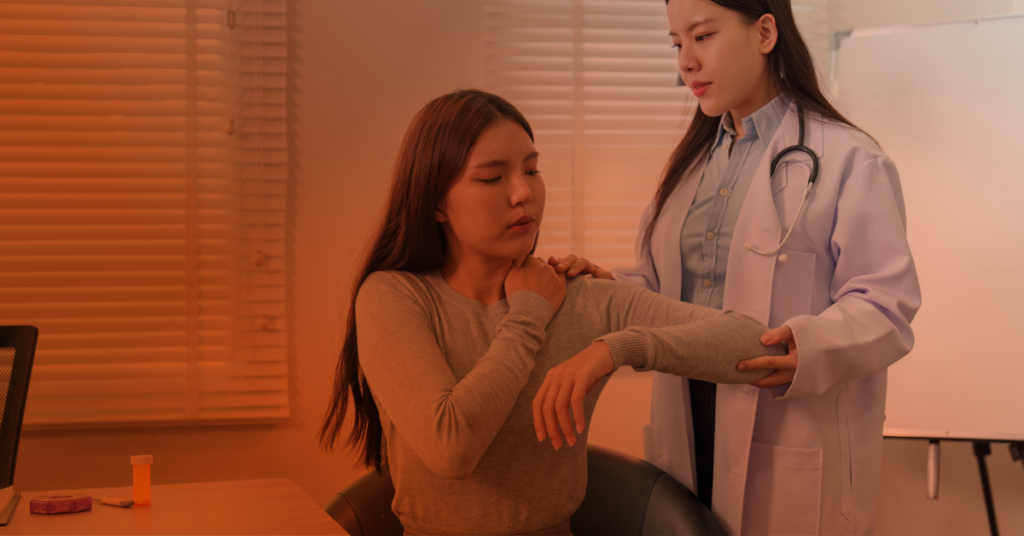
What the surgery does: Rotator cuff repair reattaches a torn tendon to the upper arm bone so it can heal back to its normal attachment site. At New York Bone & Joint Specialists, rotator cuff repairs are performed arthroscopically as outpatient procedures.
Not every tear needs surgery: Surgery may be considered when a tear causes significant pain, weakness, or loss of function, when conservative treatment has not worked, or when a large or acute traumatic tear makes repair the more appropriate option.
Recovery takes time: Protecting the repair is a major priority during the first several weeks. Patients commonly use a sling for about four to six weeks, then gradually progress from protected motion toward active movement and strengthening based on the repair and surgeon’s protocol.
Physical therapy is part of the surgery plan: Rotator cuff rehabilitation is not one-size-fits-all. At NYBJ, the physical therapy protocol is based on the size and technique of the repair documented in the operative report.
Full recovery is measured in months, not days: Most patients regain useful strength and motion over several months, while return to heavier work and sports generally comes later and depends on objective recovery rather than the calendar alone.
within a year. [2]
Being told you need rotator cuff surgery usually creates a new list of questions almost immediately. How is the tendon repaired? Will you go home the same day? How long will your arm be in a sling? When does physical therapy start, and when will your shoulder finally feel like yours again?
The most important thing to understand is that rotator cuff repair is not simply a procedure followed by a few weeks of rest. The surgery repairs the torn tendon, but recovery depends on protecting that repair long enough for healing to occur and then gradually rebuilding motion, strength, and function.
At New York Bone & Joint Specialists, rotator cuff repair is performed arthroscopically at Lenox Hill Hospital as an outpatient procedure. The surgical and rehabilitation plan depends on the size of the tear, the condition of the tendon, the number of tendons involved, and what is found during surgery.
What Is Rotator Cuff Repair Surgery?
The rotator cuff is made up of four muscles and their tendons that help stabilize the shoulder and allow you to lift and rotate your arm. When one of those tendons tears away from its attachment on the upper arm bone, surgery can be used to reattach the torn tendon so it can heal back to bone.
Most rotator cuff tears can now be repaired arthroscopically. During shoulder arthroscopy, the surgeon works through small portals using a camera and specialized instruments rather than making the larger incision required for a traditional open repair. AAOS notes that arthroscopic repair is currently the most common surgical approach and is usually performed as a same-day procedure.
At NYBJ, rotator cuff repair is performed entirely arthroscopically. The surgeon examines the shoulder, prepares the tendon attachment site, mobilizes the torn tendon when necessary, and uses suture anchors to secure it back to the bone. The specific repair technique depends on the tear and tissue quality rather than one approach being appropriate for every patient.
Does Every Rotator Cuff Tear Need Surgery?
No. A tear on an MRI does not automatically mean surgery is your next step.
Many rotator cuff problems can initially be treated with physical therapy, activity modification, injections when appropriate, and other nonsurgical care. Surgery becomes a stronger consideration when symptoms continue despite conservative treatment, when weakness or loss of function is significant, or when the tear itself makes delaying repair less desirable.
AAOS lists persistent pain, significant weakness, a large tear, and a recent acute injury among factors that may support surgical treatment. NYBJ also considers the type and size of the tear, how long it has been present, tendon retraction and tissue quality, the patient’s age and activity level, and whether nonoperative treatment has restored acceptable function.
If you are still deciding whether surgery is appropriate, our guide Can You Avoid Rotator Cuff Surgery? explains some of the situations in which conservative care may be considered first.
What Happens Before Surgery?
Your surgical plan starts well before you arrive at the hospital.
Your orthopedic surgeon will review your examination and imaging to determine the size and location of the tear, how far the tendon has retracted, the quality of the surrounding tissue, and whether other shoulder structures may also be involved. NYBJ uses MRI as part of preoperative planning and also reviews the shoulder for associated problems involving structures such as the biceps tendon or labrum.
This is also when expectations for recovery should be discussed. A small tear involving one tendon is not necessarily the same recovery as a larger tear involving multiple tendons, and the rehabilitation program may change based on what the surgeon finds and repairs.
Patients should also receive instructions about medications, eating or drinking before surgery, transportation home, and other preparation directly from the surgical and anesthesia teams. Those instructions should take priority over generalized advice because they are specific to your procedure and health history.
What Happens on the Day of Rotator Cuff Surgery?
At NYBJ, rotator cuff repair is performed at Lenox Hill Hospital and patients go home the same day. The current NYBJ procedure page states that surgery commonly takes roughly one to two hours, although the actual duration depends on tear size, the number of tendons involved, and whether other shoulder problems need to be addressed.
Most rotator cuff repairs are performed using general anesthesia, often combined with a regional nerve block for postoperative pain control. The anesthesia team determines the appropriate plan for the individual patient and reviews it before surgery.
Once the procedure begins, the arthroscope allows the surgeon to inspect the shoulder from inside the joint. NYBJ describes evaluating the rotator cuff along with structures such as the labrum, biceps tendon, joint surfaces, and subacromial space so clinically relevant problems can be addressed when appropriate.
How Is the Torn Tendon Repaired?
The basic goal is straightforward: bring the torn tendon back to its attachment on the upper arm bone and hold it there while healing occurs. How the surgeon accomplishes that can vary considerably based on the tear.
At NYBJ, the surgeon first prepares the bony attachment area and mobilizes the tendon if it has retracted. Suture anchors are then used to secure the tendon back to the bone. NYBJ uses double-row or similar constructs for many complete tears when the tissue and anatomy allow it, while other repairs may require a different configuration.
The surgeon may also encounter other shoulder problems during arthroscopy. Biceps tendon pathology, labral damage, inflammatory tissue, or other abnormalities may sometimes be treated during the same operation when there is a clinical reason to do so. AAOS likewise notes that associated shoulder problems can sometimes be addressed during rotator cuff surgery.
What Does Rotator Cuff Surgery Recovery Look Like?
Recovery progresses in stages because the repaired tendon needs protection before it is ready for active loading.
The timeline below reflects broad phases described by AAOS and NYBJ. Your own schedule may be different depending on tear size, tissue quality, surgical technique, and your surgeon’s instructions.
| Recovery Stage | What You Can Generally Expect | Primary Goal |
| First several days | Pain and swelling are managed while the arm remains protected in a sling | Protect the repair and manage postoperative symptoms |
| First 4–6 weeks | Sling use is common; shoulder use is restricted and motion may be passive according to the surgeon’s protocol | Allow the tendon-to-bone repair to begin healing |
| Approximately 4–8 weeks | Passive and then progressively active motion may be introduced as permitted | Gradually restore shoulder movement without overloading the repair |
| Approximately 8–12 weeks and beyond | Strengthening may begin or progress depending on the repair and surgeon’s protocol | Rebuild shoulder strength and control |
| Following months | Functional strengthening and higher-level activities gradually return | Restore work, exercise, and sport-specific function |
Why Do You Have to Wear a Sling for So Long?
The sling is not primarily there because moving the shoulder hurts. It is there to protect the tendon while the repair is beginning to heal.
Immediately after surgery, the tendon has been mechanically secured back to the bone, but biological healing still needs to take place. Using the arm too aggressively during this phase can place unnecessary stress on the repair. For that reason, AAOS states that patients commonly avoid active use of the arm for the first four to six weeks, with the exact period depending on the severity of the tear, tissue quality, and repair.
This can be one of the more frustrating parts of recovery because pain may begin improving before the tendon is ready for normal use. Feeling better is not the same thing as being healed enough to start lifting, reaching, or strengthening on your own.
When Does Physical Therapy Begin?
Physical therapy is a central part of rotator cuff recovery, but the earliest stage is deliberately protective.
AAOS describes rehabilitation progressing from immobilization to passive motion, then active motion, and finally strengthening. The timing of each phase depends on the repair.
At NYBJ Physical Therapy, the therapist reviews the operative report so the rehabilitation plan reflects what actually happened in surgery. NYBJ specifically notes that post-rotator cuff repair protocols are adjusted according to tear size and repair technique, including restrictions on motion and progressive loading.
That coordination matters because doing more exercise is not automatically better after rotator cuff surgery. Early rehabilitation has to restore motion without asking the repaired tendon to handle forces it is not ready for yet.
For a closer look at how those phases progress, our companion All Sports Physical Therapy article, Rotator Cuff Rehab: A Timeline That Actually Sets You Up for Success, explains what physical therapy focuses on as the shoulder moves from protection to mobility, strengthening, and higher-level function.
When Will You Start Strengthening the Shoulder?
Strengthening comes later than many patients expect.
AAOS describes active movement beginning after the protected early phase and strengthening commonly being introduced around eight to twelve weeks, although the exact timing depends on the repair.
The reason is simple: strengthening creates tension through the rotator cuff. That is useful later in recovery but potentially disruptive if it is introduced before the tendon has healed enough to tolerate it.
Your surgeon and therapist determine when resistance can safely increase. That progression may begin with relatively controlled movements before advancing toward heavier resistance, overhead work, sports, or job-specific activities.
When Can You Return to Work, Exercise, or Sports?
There is no single date that applies to every patient.
NYBJ’s current rotator cuff procedure guidance lists desk work as typically returning earlier than demanding overhead activity, manual work, or sports. Its current procedure page lists desk work at roughly two to four weeks for many patients, overhead activity around four to six months, and sport or manual work around six to nine months. These are general ranges rather than automatic clearance dates.
The broader NYBJ shoulder guidance places return to overhead sport later, around nine months, reinforcing the difference between being able to use the arm overhead and being ready for repeated high-level athletic loading.
This is why return is ultimately based on recovery rather than simply reaching a certain month. Strength, range of motion, function, the demands of your job or sport, and your surgeon’s evaluation all matter.
Why Does Rotator Cuff Recovery Take So Long?
Patients sometimes compare rotator cuff repair with other arthroscopic procedures and wonder why the rehabilitation process is comparatively slow.
The difference is what needs to heal. The surgeon is not simply removing irritated tissue. The tendon has been reattached to bone and needs time to form a durable biological connection before it can safely tolerate heavier loads.
AAOS notes that recovery takes several months, with many patients developing functional motion and strength by four to six months even though more demanding activities may require additional rehabilitation.
Tear size, age, tissue quality, smoking or nicotine use, adherence to postoperative restrictions, and participation in rehabilitation can all affect healing and outcome.
What Are the Risks of Rotator Cuff Repair?
Rotator cuff repair is an established orthopedic procedure, but every surgery carries risk.
Potential complications can include infection, stiffness, nerve injury, incomplete tendon healing, or a recurrent tear. The likelihood of a re-tear is influenced by factors such as the size of the original tear, age, tendon quality, and other patient-specific characteristics.
Your surgeon should discuss the risks that apply to your specific tear before surgery rather than presenting one complication rate as though it applies equally to everyone.
NYBJ reports a 2–4% re-tear rate for non-massive rotator cuff repairs based on its own surgical outcome data, along with a 94% patient satisfaction rate. Those are NYBJ practice-specific figures rather than general population rates.
What Should You Expect From the First Few Weeks?
Expect your routine to be different for a while.
The operated arm will be protected, and many simple tasks may be awkward when you cannot use that shoulder normally. Planning ahead for dressing, bathing, meal preparation, household tasks, and transportation can make the early recovery period easier.
It is also normal for rehabilitation to feel slower than you would like. During the first phase, the goal is not to prove how much you can do. The priority is to protect the repair while maintaining the movement your surgeon and therapist have specifically allowed.
Following the postoperative instructions matters even when the shoulder begins feeling better. AAOS lists failure to follow activity restrictions and rehabilitation recommendations among factors that can negatively affect surgical outcome.
A Successful Surgery Is Only the Beginning
Rotator cuff repair fixes the structural problem, but surgery is only the first part of recovery.
The tendon then has to heal, motion has to return, strength has to be rebuilt, and the shoulder has to gradually relearn the demands of work, exercise, and sports. Trying to compress that process because the shoulder feels better can work against the repair you just had.
At New York Bone & Joint Specialists, shoulder specialists perform arthroscopic rotator cuff repair at Lenox Hill Hospital, with postoperative rehabilitation coordinated through the practice’s physical therapy team. NYBJ’s current approach bases progression on the individual repair and functional recovery rather than a one-size-fits-all calendar.
If you have been diagnosed with a rotator cuff tear or have been told you may need surgery, schedule a consultation to review the tear, your treatment options, and what recovery would realistically look like for you.
Frequently Asked Questions
How long does rotator cuff repair surgery take?
NYBJ states that its arthroscopic rotator cuff repairs commonly take approximately 60 to 120 minutes, depending on tear size, the number of tendons involved, and whether other shoulder problems are addressed during the procedure. Surgery is performed as an outpatient procedure at Lenox Hill Hospital.
Do you go home the same day after rotator cuff surgery?
Most arthroscopic rotator cuff repairs are outpatient procedures. NYBJ performs its rotator cuff repairs at Lenox Hill Hospital with patients generally going home the same day.
How long do you wear a sling after rotator cuff repair?
Four to six weeks is common, but the exact length depends on the tear and repair. AAOS notes that sling duration varies with injury severity, tissue quality, and surgical technique, while NYBJ’s current rotator cuff protocol also lists approximately four to six weeks of sling protection.
When does physical therapy start after rotator cuff surgery?
Physical therapy progresses in stages. Early rehabilitation focuses on protecting the repair and restoring motion within the surgeon’s restrictions. Passive motion may begin during the first several weeks, followed by active movement and later strengthening. The timing should be determined by the surgeon and therapist based on the actual repair.
When can I start strengthening after rotator cuff surgery?
AAOS notes that strengthening is commonly introduced around eight to twelve weeks after surgery, but this is not a universal starting point. Large or complex tears may require a different progression, and NYBJ calibrates rehabilitation to the tear size and repair technique.
How long does complete rotator cuff surgery recovery take?
Recovery takes several months. AAOS notes that many patients regain functional range of motion and adequate strength by approximately four to six months, while more demanding work or sports may take longer. NYBJ’s current guidance lists return to sport or manual work around six to nine months for many patients, with clearance based on actual recovery rather than time alone.
Can a rotator cuff tear come back after surgery?
Yes. A repaired tendon can fail to heal completely or can tear again. Risk varies based on tear size, age, tissue quality, rehabilitation, and other patient factors. NYBJ reports a 2–4% re-tear rate for non-massive repairs based on its own surgical outcome data.
Is arthroscopic rotator cuff surgery better than open surgery?
Both approaches are used successfully. AAOS reports similar outcomes for pain relief, strength, function, and satisfaction between repair techniques and emphasizes that surgeon expertise and individual tear characteristics matter. Most repairs today are performed arthroscopically, and NYBJ performs rotator cuff repairs arthroscopically.
Peer-Reviewed Clinical References
[1] American Academy of Orthopaedic Surgeons. Rotator Cuff Tears: Surgical Treatment Options. OrthoInfo. Current guidance on surgical indications, arthroscopic repair, postoperative protection, motion, strengthening, and recovery.
[2] New York Bone & Joint Specialists. Rotator Cuff Surgery NYC — Repair Specialists. Current NYBJ procedure, surgical technique, outcomes, recovery guidance, and postoperative rehabilitation information.
[3] New York Bone & Joint Specialists. Physical Therapy NYC — In-House PT at New York Bone & Joint. Current post-rotator cuff rehabilitation approach coordinated from the operative report.
[4] Khan AZ, et al. Rehabilitation and Return to Work and Sport After Rotator Cuff Repair. Current Reviews in Musculoskeletal Medicine. 2023. Reviews rehabilitation progression and return to work and sports following repair.
[5] Bravi M, et al. Criteria for Return-to-Play After Rotator Cuff Surgery: A Systematic Review of the Literature. 2022. Reviews criteria used for return to unrestricted activity following rotator cuff repair.
Our Locations
-
Upper East Side: Full Service Orthopedic Center & Walk-In
1198 3rd Avenue, Between 69th and 70th Street New York, NY 10021Physicians: Monday–Friday 8:00am–6:00pm, Saturday 8:00am–5:00pm
Physical Therapy: Monday–Friday 7:00am–7:30pm, Saturday 8:00am–3:00pm
Sunday: ClosedPhone: (212) 759-4553 -

Orthopedic Doctor Midtown Manhattan NYC — New York Bone & Joint Specialists
425 Madison Ave, Suite 200 (second floor) New York, NY 10017 (corner of East 49th Street)Physician appointments: Mon–Fri 8:00 am–6:00 pm
Physical therapy: Mon–Fri 7 am–7:30 pm, Sat 8 am–3 pmPhone: (212) 759-4553 -

Orthopedic Doctor Upper East Side NYC — New York Bone & Joint Specialists
130 E 67th St New York, NY 10065Tuesday & Thursday: 8:00am–6:00pm
All other days: ClosedPhone: (212) 759-4553