Why Knee Pain Spikes in the Summer Heat
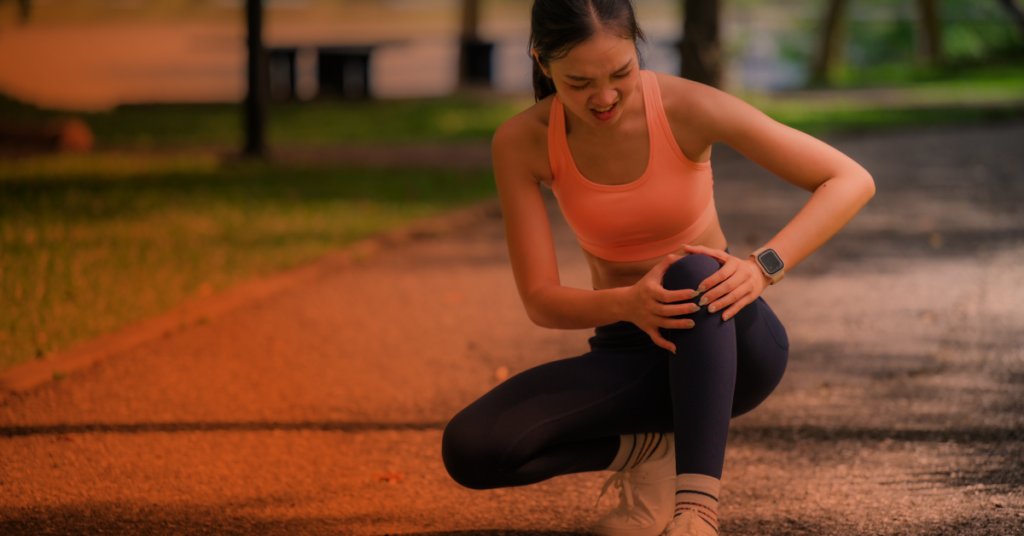
When the weather heats so does your exercise routine. It can also mean your knee aches more. Learn why.
Maybe it’s true you can feel the weather in your bones. Those with arthritis certainly think so. They often report knee pain flares as the weather goes from hot to cold. Most blame the increased knee aches and pains on frigid winter temperatures. Yet summer knee soreness is just as common.
Why knees hurt in heat relates to a variety of weather-related issues unique to the summer months. But knee pain in warm weather — or any weather — can be due to underlying orthopedic conditions. Don’t hang up your running shoes and stay in air conditioned spaces all summer if your knees are suffering. The first step is getting an accurate diagnosis of what’s going on in your knee joint. Then learn how to conquer the heat and stay active when the temps rise.
Does Hot Weather Really Affect Knee Pain?
Yes, it can. In fact, one study found weather had a noticeable effect on osteoarthritis pain. It went on to say that barometric pressure and relative humidity caused a spike in arthritis-related knee pain. Temperature had less of an association. Other studies are mixed. Yet there are definite scientific reasons for your summer knee pain.
Barometer pressure changes. Barometer pressure refers to the weight of the air in the atmosphere pressing on our bodies. Low pressure on humid days causes the soft tissues and fluids inside our joints to swell and press against nerves.
Loss of synovial fluid. Synovial fluid is what keeps your joints moving smoothly. Exercising in the heat can lead to synovial fluid loss. Dehydration thins the synovial fluid further. With less lubrication, the bones of the joint rub against each other and the cartilage cushioning the joint bones has to absorb more stress.
Why Knees Hurt in Heat: The Most Common Reasons
Knee pain in summer heat may simply be due to being more active when temps warm up. The discomfort is more noticeable as your knees move more. The extra workload, dehydration, or an aggravation of an existing joint problem might be behind your summer knee pain.
Increased Physical Activity
- More walking, hiking, running, tennis, pickleball, golf, and outdoor sports.
- Higher activity levels place additional stress on the knee joint.
- Overuse can trigger inflammation and pain.
Dehydration
- Hot weather increases fluid loss through sweat.
- Dehydration can contribute to muscle fatigue and reduced shock absorption around the knee.
- Muscles that support the knee may become less efficient without sufficient lubrication and cramp.
Heat-Related Inflammation
- Existing joint inflammation may become more noticeable.
- Swelling can increase discomfort and stiffness.
Previous Knee Injuries Become More Symptomatic
- Prior anterior cruciate ligament (ACL) tears
- Meniscus injuries
- Cartilage damage
- Tendon injuries
Summer Activities Most Likely to Trigger Knee Pain
Staying active anytime of year is a good thing. Some summertime activities, however, may aggravate the knee pain if you overdo it.
Running and Road Races
- Increasing mileage too rapidly
- Running on pavement or other hard surfaces
Pickleball and Tennis
- Quick pivots and directional changes
- Growing source of orthopedic injuries (tennis elbow)
Hiking
- Downhill walking increases pressure on the knees
- Walking on uneven ground can wrench the joint out of its normal range of motion
Recreational Sports
- Basketball
- Soccer
- Softball
- Volleyball
Vacation Activities
- Walking significantly more than usual
- Theme parks and sightseeing trips
Common Knee Conditions That Flare Up During Summer
Fluctuating weather may not be the only reason for your summer knee pain. Certain orthopedic conditions or prior injuries can amp up the aches and pain in this vital joint.
Osteoarthritis
- Cartilage wear and tear
- Increased activity may aggravate symptoms
Patellofemoral Pain Syndrome
- “Runner’s knee” or a breakdown in the cartilage under the kneecap
- Pain around the kneecap
Meniscus Tears
- A tear in one of the two wedge-shaped bands of cartilage called menisci stabilizing the knee
- Due to twisting injuries or arthritis
- Degenerative tears become symptomatic
Tendonitis
- Patellar tendonitis, an inflammation of the tendon connecting the kneecap (patella) to the shin bone.
- Quadriceps tendonitis, or micro-tears in the quadriceps tendon above the kneecap
IT Band Syndrome
- Iliotibial (IT) band syndrome occurs when the tissue running from the top of the hip to the knee rubs against the lateral femoral epicondyle, a bony protrusion at the side of the knee
- Common in runners and cyclists
Warning Signs Your Summer Knee Pain Needs Medical Attention
While you’re enjoying fun in the sun, you may ignore nagging knee pain. But always be alert to pain and other changes in your knee to receive necessary treatment to avoid more serious damage.
- Pain continues beyond a few weeks
- Swelling that doesn’t go down
- Locking or catching sensations in the joint
- Knee instability, or a feeling like the knee may give out
- Difficulty walking or exercising
- Pain interferes with daily activities
How to Prevent Summer Knee Pain
No one wants to stay indoors during summer. But you don’t have to if you take precautions to beat the heat.
Stay Hydrated
- Adults should drink 6 to 12 ounces of water for every 20 minutes of exercise
- Hydrate before, during, and after activity
Increase Activity Gradually
- Avoid sudden spikes in exercise volume, intensity, or distance
- Increase activity by only 10 percent each week
Wear Proper Footwear
- Purchase shoes with solid arch and heel support
- Replace worn-out athletic shoes about every 6 months
Strengthen Supporting Muscles
- Quadriceps (straight leg raises, wall sits)
- Hamstrings (glute bridges)
- Glutes (clamshells)
- Core (planks, glute bridges)
Prioritize Recovery
- Get enough sleep
- Schedule regular rest days with active recovery (light aerobics, walking, swimming)
- Mobility and flexibility work
Warm Up Before Activity
- Dynamic stretching (arm circles, torso twists)
- Sport-specific movement preparation (upper body strength for tennis players, agility drills for basketball players)
What to Do If Summer Knee Pain Develops
When summer knee pain stops you in your tracks, take immediate action to tamp down the aches and discomfort. Seek an orthopedic evaluation if symptoms persist or worsen.
Follow the RICE Principles
- Rest
- Ice
- Compression
- Elevation
Modify Activities
- Temporarily reduce aggravating movements
- Focus on other activities is possible
Consider Physical Therapy To:
- Improve mechanics
- Increase strength and mobility
- Reduce joint stress with orthotics or knee braces
How New York Bone & Joint Treats Knee Pain
The orthopedic physicians at New York Bone& Joint Specialists know how to diagnose and treat knee pain. We’re knowledgeable with all conditions affecting the knee. We’ll develop a rehabilitation plan for a pain-free summer based on our integrated approach.
Comprehensive Evaluation
- Physical examination
- Activity assessment
- Medical history review
Advanced Imaging
- X-rays
- MRI when indicated
Personalized Treatment Plans
- Physical therapy
- Injections
- Bracing
- Surgical options when necessary
Sports Medicine Expertise
- We care for athletes and active adults throughout New York City
- We offer convenient orthopedic care in New York City at several locations
Get Into the Summer Swing
It’s summer! Get out and play. Yet sometimes, the summer weather changes can lead to spikes in knee pain. Rather than playing through the pain, take a break, listen to your body, and seek a thorough orthopedic checkup.
Early evaluation and treatment will keep you active all season long and ensure your long-term joint health. Don’t let summer knee pain prevent you from enjoying your favorite summertime activities. Schedule an appointment with New York Bone & Joint.
FAQs
Why does my knee hurt more in hot weather?
Hot weather can contribute to knee discomfort in several ways. Increased outdoor activity, dehydration, and changes in humidity or barometric pressure may aggravate existing joint conditions like arthritis or previous injuries. Summer knee pain is often the result of multiple factors rather than heat alone.
Can dehydration make knee pain worse?
Yes. Dehydration may reduce the body’s ability to lubricate joints and can contribute to muscle fatigue, making the muscles that support the knee less effective. Staying well hydrated before, during, and after exercise can help support joint function during hot weather.
Is it safe to keep exercising if my knee hurts?
It depends on the cause and severity of your pain. Mild soreness after activity may improve with rest and recovery, but persistent pain, swelling, instability, or locking shouldn’t be ignored. If symptoms continue for more than a few days or interfere with walking or exercise, it’s time to see an orthopedic specialist.
What are the most common causes of knee pain during the summer?
Overuse from running, hiking, pickleball, tennis, and other outdoor activities is a leading cause of summer knee pain. Underlying conditions such as osteoarthritis, patellofemoral pain syndrome (runner’s knee), meniscus tears, tendonitis, and IT band syndrome can also flare up with increased activity.
When should I see a doctor for summer knee pain?
Schedule an orthopedic evaluation if your knee pain lasts more than a few weeks, is accompanied by swelling, instability, locking, or catching, or prevents you from enjoying your normal activities. Early diagnosis can help prevent further joint damage and speed your recovery.
Our Locations
-

Upper East Side: Full Service Orthopedic Center & Walk-In
1198 3rd Avenue, Between 69th and 70th Street New York, NY 10021Monday–Friday: 9:00am–6:00pm
Saturday: 8:00am–5:00pm
Sunday: ClosedPhone: (212) 759-4553 -

Orthopedic Doctor Midtown Manhattan NYC — New York Bone & Joint Specialists
425 Madison Ave, Suite 200 (second floor) New York, NY 10017 (corner of East 49th Street)Physician appointments: Mon–Fri 8:00 am–6:00 pm
Physical therapy: Mon–Fri 7 am–7 pm, Sat 8 am–2 pmPhone: (212) 759-4553 -

Orthopedic Doctor Upper East Side NYC — New York Bone & Joint Specialists
130 E 67th St New York, NY 10065Tuesday & Thursday: 8:00am–6:00pm
All other days: ClosedPhone: (212) 759-4553