From the Doctor’s Desk: All About Ankle Sprains
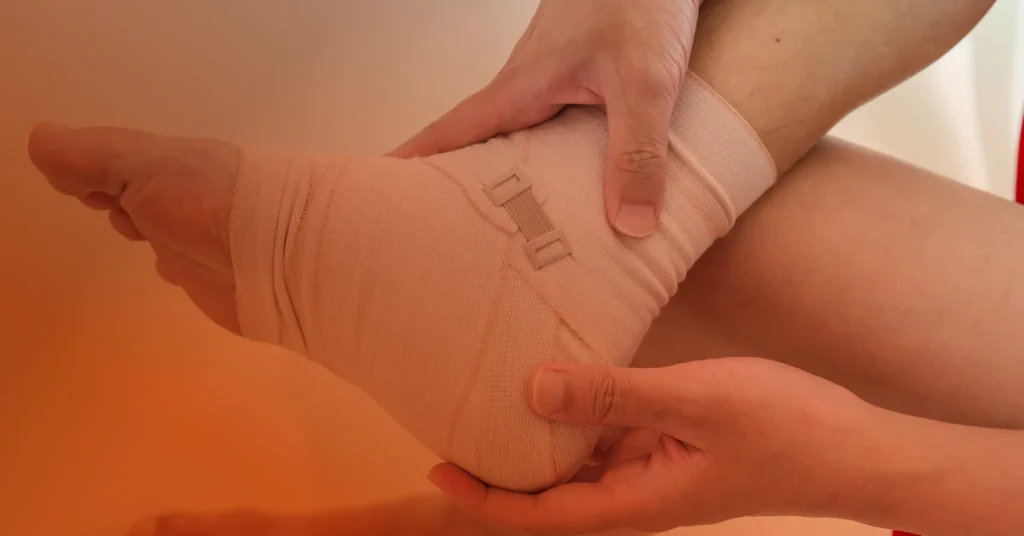
In this issue of “From the Doctor’s Desk,” Dr. Adil dives into one of the most common sports injuries: ankle sprains.
Ankle sprains are among the most common sports injuries and one of the leading causes of missed athletic participation. They occur when the ligaments on the inside or outside of the ankle are stretched or torn, usually caused by a twisting injury.
Causes
Ankle sprains are caused by a sudden twisting or rolling of the ankle which overstress the ligaments, causing tearing.
Risk factors
- Indoor-court sports and any sports that involve running, jumping, or sharp changes in direction
- Everyday trips and falls
- Patients with a history of previous ankle sprain or injury
- Muscle weakness or imbalance
- Improper footwear or shoes that do not provide adequate ankle support
Symptoms
Pain. May be mild to severe depending on the severity of the sprain.
Swelling. Swelling around the injured ligaments is common.
Bruising. Discoloration around the torn ligaments due to blood pooling may be present. Bruising may also appear in the foot a few days after injury.
Stiffness. Stiffness and difficulty moving the ankle are common in the days and weeks following an ankle sprain.
Instability. If ligaments are severely torn, patients may feel unstable while weight bearing on the affected foot.
Diagnosis
Initial diagnosis begins with a physical examination and history taken to determine the mechanism of injury. If there is concern for a possible fracture of the ankle, x-rays will be performed.
A diagnostic ultrasound may also be performed to directly visualize the ligaments to determine the extent of the damage. In some cases, an MRI of the ankle is performed.
Treatment
Treatment for ankle sprains usually involves rest, elevation, icing, and compression for a few days following the injury. Oral medications such as NSAIDs can decrease pain and swelling.
Once the initial swelling and pain have calmed down over a few days, utilization of an ankle brace and early physical therapy can restore ankle strength and range of motion rather than rest alone. In the cases of more severe ankle sprains, a walking boot may be used for short-term immobilization, allowing pain and swelling to subside before beginning physical therapy.
If you have suffered an ankle sprain, feel free to schedule an appointment with me. I’ve helped many patients address ankle-related concerns and other common sports injuries to help them get back to their regular activities as soon as possible.

Non-Operative Sports Medicine Physician
Physical Medicine & Rehabilitation
Electromyography
Our Locations
-

Upper East Side: Full Service Orthopedic Center & Walk-In
1198 3rd Avenue, Between 69th and 70th Street New York, NY 10021Physicians: Monday–Friday 8:00am–6:00pm, Saturday 8:00am–5:00pm
Physical Therapy: Monday–Friday 7:00am–7:30pm, Saturday 8:00am–3:00pm
Sunday: ClosedPhone: (212) 759-4553 -

Orthopedic Doctor Midtown Manhattan NYC — New York Bone & Joint Specialists
425 Madison Ave, Suite 200 (second floor) New York, NY 10017 (corner of East 49th Street)Physician appointments: Mon–Fri 8:00 am–6:00 pm
Physical therapy: Mon–Fri 7 am–7:30 pm, Sat 8 am–3 pmPhone: (212) 759-4553 -

Orthopedic Doctor Upper East Side NYC — New York Bone & Joint Specialists
130 E 67th St New York, NY 10065Currently ClosedPhone: (212) 759-4553