Pickleball Is Having a Moment in NYC—and So Are Pickleball Injuries
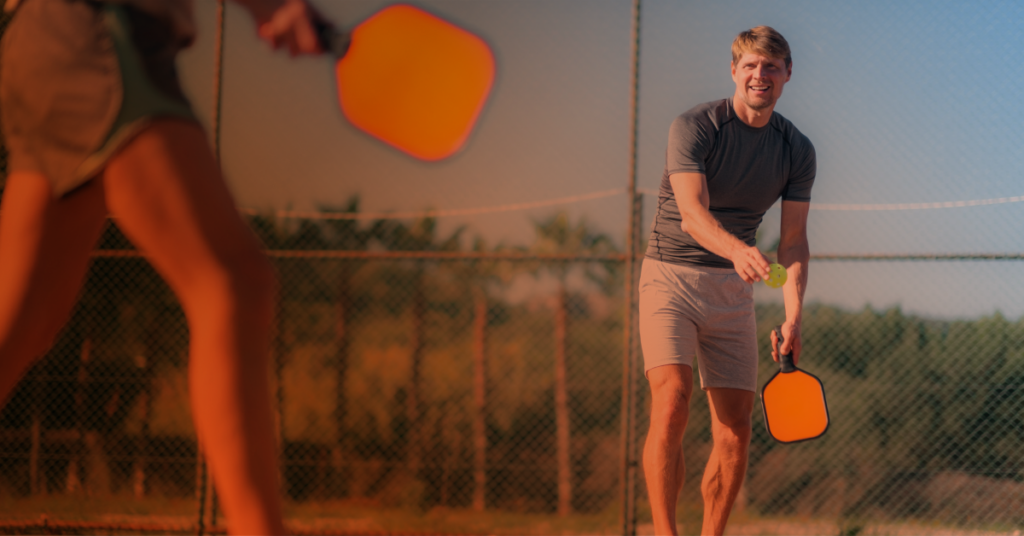
Pickleball has soared to one of the top sports in the U.S. And so have pickleball injuries.
Yes, pickleball has reached the shores of Manhattan island. Nearly 80 pickleball courts dot city parks in the five boroughs where New Yorkers can serve and volley. A quirky blend of tennis, badminton, and ping pong, pickleball has attracted devotees from all age groups, from young professionals to older adults.
Pickleball is relatively easy to learn and play, and New Yorkers love the game’s fast-paced nature. It’s also played in teams, which makes it a social outing. At its highest level, pickleball involves rapid starts and stops, overhead shots, and skillfully executing repeated motions. That’s what makes it fun and engaging. Yet those same movements also increase the chance of an injury.
As the sport has soared in popularity, so has the number of orthopedic pickleball injuries. Newcomers, in particular, can quickly put themselves at a high risk of injury without proper training or conditioning. If you’ve recently suffered a pickleball injury in New York City, come see an orthopedist in our office. We’ll get you safely back on the court with a rehab and injury prevention plan.
Why Pickleball Injuries Are Becoming More Common
A Rapidly Growing Sport
Pickleball traces back to 1965 in Washington State when two friends devised a game using a whiffle ball, ping pong paddles, and a badminton net. The purpose was to keep their young kids amused during vacation. Sixty years later, the sport has grown to 24.3 million players in the U.S. Today, pickleball ranks among the 25 most played sports and recreational activities in the country.
As the sport skyrocketed, many pickleball leagues and organizations have sprouted to instruct new players and help them find a nearby court. The game’s energetic pace, social atmosphere, and short learning curve have made it a hit among a wide variety of age groups, especially those over age 50.
The “Weekend Warrior” Effect
A pickleball court is similar to a tennis court, but a bit smaller. A racquet and a good pair of shoes is all you need to play. While it appears to be easier than tennis, pickleball is a demanding sport. Many “weekend warriors” fall into the trap of believing they can pick a racquet and hit the ball without any preparation. That often causes overuse injuries from the sport’s repetitive motions and quick pivots.
Newcomers often make these mistakes:
- Start playing several days per week immediately with no training.
- Sudden increase in activity after being inactive.
- Skip warm-ups.
- Underestimate the physical demands.
What Makes Pickleball So Demanding on the Body?
Pickleball is a great full-body workout. But it’s also a physically challenging sport that requires skill and stamina.
Quick Direction Changes
Place stress on:
- Knees
- Ankles
- Hips
Repetitive Paddle Swings
Require a high volume of:
- Forehand shots
- Backhands
- Serves
- Overhead smashes
Fast Reflexes
- Sudden and quick directional changes.
- Running and backpedalling to reach the ball.
Hard Court Surfaces
- Played on harder surfaces less forgiving to the joints.
- Extra traction and stability needed to prevent slips and falls.
The Most Common Pickleball Injuries Orthopedic Specialists Treat
One study tracked 66,350 pickleball-related injuries between 2013 and 2022. Fractures followed by strains and sprains were the most common injury types. Most injuries occured in older adults over 65. A sore elbow is a frequent complaint among players.
Pickleball Elbow Injury (Lateral Epicondylitis)
A pickleball elbow injury develops from an inflammation of the tendons in the outer elbow.
- Similar to tennis elbow.
- Caused by repetitive gripping and swinging.
- Pain develops on the outside of the elbow.
- Symptoms often worsen with continued play.
Non-surgical treatment options:
- Rest
- Activity modification
- Physical therapy
- Bracing
- Over-the-counter pain medications
- Injections when appropriate
Shoulder Injuries
Repeated overhead motions to hit the ball often lead to:
- Rotator cuff tendonitis
- Shoulder impingement
- Labral irritation or tear
Knee Injuries
Sharp changes in direction stress the knee and may wrench it out of position, causing:
- Meniscus tears
- Arthritis flare-ups
- Ligament sprains, particularly the anterior cruciate ligament
Achilles Tendon and Calf Injuries
The Achilles tendon and calf muscles stand a higher chance of injury related to:
- Sudden acceleration
- Awkward landings
- Quick pivots
- Explosive movements
- Tight calf muscles (usually seen in older athletes starting the sport)
Ankle Sprains
Ankles support all pickleball movements, placing them at high risk for injury because of:
- Lateral movements
- Uneven footing
- Poor balance when reaching for the ball
Wrist and Hand Injuries
Hands and wrists can be injured as the result of:
- Falls onto an outstretched hand
- Grip-related overuse injuries
- Swinging a too heavy racquet
Are Certain Players More Likely to Get Injured?
Any player in any sport can be injured. Even in a “safe” sport like pickleball, some players have a greater potential for joint or soft tissue damage.
New Players
- Failure to learn proper technique
- Increase activity too quickly without rest
Older Adults
Older adults can greatly benefit from pickleball. But the natural aging process can make it a bit more challenging.
- Reduced flexibility
- Slower recovery
- Diminished reaction times
- Existing arthritis
Competitive Players
Dedicated athletes plunge into a new sport like pickleball without knowing the techniques and unique physical demands. Therefore, they tend to:
- Play matches several times a week without a break.
- Compete with greater intensity.
Players Returning After Time Off
Pickleball is a fantastic opportunity to amp up your activity level after a long layoff or to restart a fitness program. But be aware of the potential pitfalls before hopping onto the court.
- Tight muscles are more prone to strains.
- Sudden increases in workload also elevate injury risk.
Warning Signs You Shouldn’t Ignore:
See an orthopedist if any of these symptoms make it nearly impossible to play. An early diagnosis prevents a minor injury (like pickleball elbow) from becoming a chronic, potentially debilitating condition.
- Persistent pain
- Swelling
- Joint instability
- Weakness
- Loss of motion
- Pain lasting longer than one to two weeks
- Inability to grip the paddle comfortably
How to Prevent Pickleball Injuries
Never miss a pickleball game with friends with these tips:
Warm Up Before Every Match
Focus on:
- Dynamic stretching to warm up muscles
- Shoulder mobility (arm circles)
- Hip mobility (hip circles)
- Light cardio (brisk walk, run in place)
Build Strength Off the Court
Strong muscles shore up the joints, lessening the chance of injury. Target these muscle groups:
- Core
- Glutes
- Rotator cuff
- Forearm muscles
- Hamstrings
Improve Balance
Balance training helps reduce:
- Falls
- Ankle injuries
- Knee injuries
Wear Proper Footwear
Ditch your running shoes when playing pickleball. Instead, look for tennis shoes that provide:
- Better lateral support
- Improved traction
- Shock absorption
Don’t Increase Playing Time Too Quickly
As with any sport, go slow at first and gradually build up your:
- Match duration
- Weekly games
- Tournament participation
What to Do If You’re Injured
Ouch! You’ve fallen on the pickleball court, or possibly pulled a muscle. Don’t panic. Here’s what to do:
Stop playing! Never play through significant pain.
Try self care. The RICE method is the best first-line treatment for pain.
- Rest from aggravating activity
- Ice for brief periods
- Compression around the painful joint
- Elevation (when appropriate)
Modify activity. As much as you love pickleball, consider switching temporarily to:
- Walking
- Cycling
- Swimming
Know when to seek care. Pain is your body’s way of telling you something is wrong. Listen to those signals. Persistent symptoms deserve professional evaluation. Seek immediate care if you suspect you’ve suffered a fracture.
How NYBJ Treats Pickleball Injuries
Pickleball injuries are on the rise as more New Yorkers pick up a racquet and participate in this fun and dynamic sport. The orthopedic physicians at New York Bone & Joint Specialists have seen an increasing number of pickleball-related injuries in our offices. Our expertise in joint and tendon conditions make us the perfect team to treat your pickleball injury. With our thorough diagnosis and a detailed therapy program, we’ll get you back on the court safely and with renewed confidence.
Comprehensive Orthopedic Evaluation
Will include:
- Physical examination
- Symptom history
- Activity review
- Medical history
Advanced Imaging
When appropriate:
- X-rays
- MRI
- Ultrasound
Personalized Treatment Plans
Depending on the injury and severity:
- Physical therapy
- Bracing
- Injections
- Activity modification for safer play
- Surgery when necessary
Game On At New York Bone & Joint Specialists
Pickleball has become a smashing success in a relatively short period for plenty of reasons. It’s an excellent way to stay active at any age, improve cardiovascular health, and enjoy friendly competition. Unfortunately, it comes with injury risks. Don’t let that stop you from taking up this lively and rewarding sport. Just follow some precautions and know when to get treatment.
Preventing injuries is key to winning the match. But when injuries happen, finding the right diagnosis and treatment plan means you won’t spend too much away from competing with friends at a pickleball court.
If pain is keeping you off the pickleball court, schedule an evaluation with NYBJ. Our expert orthopedic care will have you swinging a racquet again at the courts around the city in no time. Contact us today.
FAQs
What are the most common pickleball injuries?
The most common pickleball injuries include tennis elbow (pickleball elbow), rotator cuff injuries, ankle sprains, meniscus tears, Achilles tendon injuries, and shoulder tendonitis caused by repetitive movements and quick changes in direction.
Why is pickleball causing so many injuries?
As the sport grows in popularity, many new players increase their activity level too quickly without proper conditioning, training, warm-ups, or recovery. The sport’s repetitive motions and rapid lateral movements also increase injury risk.
Can pickleball cause elbow pain?
Yes. Repetitive gripping and paddle swings can lead to lateral epicondylitis, commonly known as tennis elbow or pickleball elbow, causing pain on the outside of the elbow.
How can I prevent pickleball injuries?
Warming up before play, strengthening your core and lower body, improving balance, wearing court-specific shoes, and gradually increasing playing time can all reduce your risk of injury.
When should I see an orthopedic specialist for a pickleball injury?
If pain persists for more than a week or two, worsens during activity, causes swelling or instability, or limits your ability to play or perform daily activities, it’s time to schedule an orthopedic evaluation.
Our Locations
-

Upper East Side: Full Service Orthopedic Center & Walk-In
1198 3rd Avenue, Between 69th and 70th Street New York, NY 10021Monday–Friday: 9:00am–6:00pm
Saturday: 8:00am–5:00pm
Sunday: ClosedPhone: (212) 759-4553 -

Orthopedic Doctor Midtown Manhattan NYC — New York Bone & Joint Specialists
425 Madison Ave, Suite 200 (second floor) New York, NY 10017 (corner of East 49th Street)Physician appointments: Mon–Fri 8:00 am–6:00 pm
Physical therapy: Mon–Fri 7 am–7 pm, Sat 8 am–2 pmPhone: (212) 759-4553 -

Orthopedic Doctor Upper East Side NYC — New York Bone & Joint Specialists
130 E 67th St New York, NY 10065Tuesday & Thursday: 8:00am–6:00pm
All other days: ClosedPhone: (212) 759-4553