What’s Causing Your Hip Flexor Pain—and How to Fix It
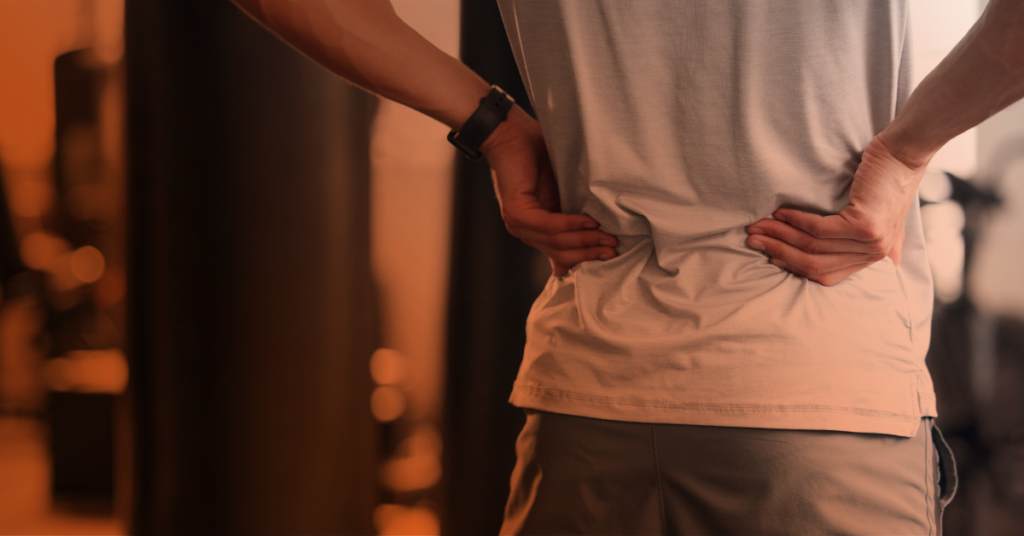
Your hip flexor muscles help you walk, climb stairs, and bend your knee everyday. And that’s why those vital muscles become tight and painful at times.
Hip flexors probably don’t get as much attention as quads and biceps. But they definitely should. Hip flexor muscles connect your legs and torso to your hips. Every time you walk, climb stairs, or bend your knee you engage these vital muscles. Yet over-taxing your hip flexors results in “tight” hips, pain, and an unsteady gait.
Hip flexor strains frequently strike athletes. One study estimated up to 28 percent of athletes in certain sports suffered from hip flexor strains. Yet the condition isn’t limited to athletes. Office workers who sit all day often complain of tight hips and back pain. And that’s related to the hip flexors.
Effective hip flexor treatments begin with an accurate diagnosis of what led to the pain and stiffness. It could be due to an injury, repetitive or stressful movements, improper gait, or poor posture. Fortunately, hip flexor strains can be treated successfully non-surgically. Once a cause is identified, physical therapy can restore your mobility, muscle strength, and full joint function.
What Are the Hip Flexors?
Understanding the Muscles That Move Your Hip
A ball-and-socket joint, your hip joint joins the femur (thighbone) to the pelvis. Attached to the bones is a network of muscles and tendons stretching across the abdomen and the buttocks. These muscles also run down the thigh to the knee, allowing you to flex your knee toward your chest and bend at the waist, among other motions.
A hip flexor strain frequently occurs when the tough muscle fibers are torn or overly stretched, mostly due to overuse. A tendon connecting muscles to bone may be injured. Sitting for long hours can also cramp and strain the hip flexor muscles.
The hip flexors include several individual muscles:
- Iliopsoas (iliacus and psoas major) muscles securely align your spine to the leg to maintain proper posture. They run from the lower back to the front of the hip and attach to the top of the femur. This muscle group is essential for walking, running, climbing stairs, and raising from a sitting position.
- Rectus femoris is one of four quadriceps connecting the pelvis to the knee. It’s engaged when you squat or lunge.
- Sartorius is the longest muscle in the body, stretching from the pelvis to the knee. Knee and leg flexion is possible due to this muscle.
- Tensor fasciae latae (TFL) sits at the front of your hips at both sides of the pelvis and attaches the gluteus maximus to the IT band. It stabilizes the hip and knee.
Common Hip Flexor Pain Causes
A sporting injury or damage from an accident ranks high among the reasons for hip pain. A hip flexor strain can develop from other causes — including your sport, muscle weakness, and even your job.
Hip Flexor Strain
- Overstretching or tearing muscle fibers due to overuse
- Common during sprinting, kicking, or sudden acceleration
Muscle Tightness
- Often develops after prolonged sitting that shortens the hips flexors, making them less mobile
- Limited mobility may alter walking and running mechanics
Tendon Irritation
- Repetitive overuse can inflame the tendons that attach the hip flexor muscles to the bone
- Common in runners and cyclists
Muscle Weakness
- Weak or inactive hip and core muscles force the hip flexors to compensate
- Hip flexors shorten in response
Poor Movement Mechanics
How you walk, run, and move during exercise can lead to hip flexor strains:
- Overstriding while running
- Poor lifting technique
- Weak glute muscles
- Limited hip mobility
- Forward tilt of your body
Signs You May Have a Hip Flexor Strain
Hip tightness and discomfort from a strain typically progresses gradually and may be mild at first. Symptoms become more noticeable over time.
Common Symptoms
- Pain in the front of the hip
- Pain when lifting the knee
- Difficulty walking or limping
- Pain during running
- Tenderness
- Swelling (more severe injuries)
Mild vs Severe Strains
Hip flexor strains classify into three stages:
- Grade I. Mild tear causing minor pain and swelling. Can continue normal activities.
- Grade II. A moderate tear causing increased pain and swelling. May have mobility issues. Cannot return to exercise until fully healed.
- Grade III. A complete muscle tear leading to severe pain and swelling. You cannot bear weight on your leg, so walking is near impossible. These types of tears are rare, but may require surgery to resolve.
Why Sitting Can Make Hip Flexor Pain Worse
Yes, your job may be the source of your hip flexor pain. Let’s examine at the ways:
Tight Hip Flexors From Desk Jobs
- Sitting with knees bent and your hamstrings relaxed shortens the hip flexors.
- Staying in a seated position for an extended period aggravates hip flexor pain.
Weak Glutes Create Compensation
Your glutes and hip flexor work together to support the pelvis and hip movement. When the glutes lack strength, the hip flexor muscles contract up even more.
- Weakened or inactive glutes force the hip flexors to pick up the slack.
- Prolonged sitting leads to “lower crossed syndrome”: The hip flexors at the front of the hips tighten and shorten as the abdominal and glute muscles become long and weak. Limited hip mobility and low back pain often accompany lower crossed syndrome.
The Cycle of Tightness
Hip flexor strain progresses so slowly you may not even be aware it’s happening as you go about your daily activities. Yet the strain tends to worsen over time in a predictable timeline.
- Sitting for long periods at your job
- Tightness begins to develop
- Progressive weakness makes walking difficult
- Pain increases
Tight Hip Flexors Treatment: What Actually Works?
Stretching the hip flexor muscles can relieve pain and increase mobility — if done correctly. Stretching too aggressively at first may further aggravate the strain. A physical therapist will monitor your pace so you don’t over-stretch. Exercises to strengthen the muscles are also necessary.
Improve Mobility
- Dynamic mobility exercises
- Gentle hip flexor stretches
Strengthen Supporting Muscles
- Glutes
- Core
- Hamstrings
Improve Daily Habits
- Improve posture by not slouching or leaning forward
- Take walking breaks throughout the day
- Make ergonomic workstation adjustments or try a standing desk
Gradually Return to Activity
- Mild hip flexor strains can heal in 10 to 14 days with rest and other treatments (ice, compression)
- Significant tears take longer to recover
- Returning too soon to activities risk a more serious hip flexor strain
When Physical Therapy Can Help
A physical therapist is best able to diagnose the cause of your hip flexor strains. After a full evaluation, the physical therapist can customize your treatment plan.
Comprehensive Evaluation
Physical therapists assess:
- Strength
- Mobility
- Walking mechanics
- Balance
- Functional movement and any restrictions
Personalized Treatment
May include:
- Manual therapy to release tight muscles
- Strengthening exercises
- Stretching
- Movement retraining
- Sport-specific rehabilitation
Prevent Future Injuries
- Pain reduction is only part of hip flexor strain therapy.
- Correcting underlying movement faults and muscle imbalances is key to preventing a recurrence.
Common Mistakes That Delay Recovery
Just because a hip flexor strain causes only slight pain doesn’t mean you can rush through a recovery. Taking it slow and listening to your physical therapist will help you avoid these missteps.
- Stretching too aggressively. Overstretching an injured muscle may worsen symptoms or widen the tear.
- Returning to sports too soon. Pain reduction doesn’t always equal full healing. Only return to sports after the okay from your physical therapist.
- Ignoring weakness. Your muscles may be weak even after the pain improves. Focus consistently on strengthening the glute and core muscles.
- Sitting all day. Set your timer to remind you to take a walk several times a day. Regular movement boosts your recovery.
Exercises Often Included in Hip Flexor Rehabilitation
Your physical therapy program will be tailored to your specific needs. However, these exercises are typically included in the plan to get your hip flexors strong and active again.
Glute Bridges
- Improve posterior chain strength.
- Strengthen the gluteal muscles and help lengthen the hip flexors.
Clamshells
- Strengthen hip stabilizers.
- Work the glutes, hips, and core.
Dead Bugs
- Develop core stability.
- Target all abdominal muscles.
Standing Marches
- Improve hip flexor control.
- Keep your spine and pelvis working together.
- Reduce strain on surrounding joints.
Gentle Hip Flexor Stretch
- Restores mobility without excessive strain.
- Stretches and lengthens the hip flexor muscles.
- Relieves tightness.
Split-Stance Hip Mobility Drill
- Encourages healthy movement through the hip.
- Improves posture
When Should You See a Physical Therapist?
Never ignore pain in your joints or muscles, especially if it doesn’t go away with rest. Early treatment often leads to a quicker recovery and return to your activities.
Seek evaluation if:
- Pain lasts longer than one to two weeks
- Walking becomes difficult
- Pain returns every time you exercise
- Hip weakness affects performance
- Symptoms interfere with daily activities
How NYBJ Treats Hip Flexor Injuries
At New York Bone & Joint Specialists, our physicians take a comprehensive approach to diagnosing and treating hip flexor pain. We understand each patient is different and will incorporate your needs and lifestyle in our therapy program.
Individualized Evaluation
We will assess:
- Hip strength
- Flexibility
- Running or walking mechanics
- Functional movement
Customized Rehabilitation
Treatment may include:
- Manual therapy
- Progressive strengthening
- Mobility work
- Return-to-sport planning
Long-Term Prevention
- Help patients build strength and positive movement habits that reduce future injury risk.
- Will follow up to ensure a complete recovery.
Hips Don’t Lie. Get Treatment for Hip Flexor Pain Now
Hip flexor pain is a common orthopedic complaint. Although a “tight” sensation in the hip area is often associated with a hip flexor strain, rigid hip flexor muscles may not be the cause in every case. It can also be traced to muscle imbalances in the quads and core, poor gait mechanics, and even how long you sit at your desk.
Identifying the root cause leads to better long-term results. Our patient-centric and comprehensive physical therapy program can reduce pain, restore mobility, and help patients safely return to work, sports, and everyday activities. Simple non-surgical treatments will get your hip flexors healthy.
If hip pain limits your movement or keeps you from the activities you enjoy, schedule an evaluation with New York Bone & Joint. Our team will develop your personalized treatment plan.
FAQs
What is the most common cause of hip flexor pain?
Hip flexor pain is commonly caused by muscle strains, overuse, prolonged sitting, poor movement mechanics, or weakness in the hips and core that places extra stress on the hip flexor muscles.
How do I know if I have a hip flexor strain?
Symptoms often include pain in the front of the hip, discomfort when lifting your knee, tenderness, stiffness, and pain during walking, running, or climbing stairs. A physical therapist or orthopedic specialist can determine the severity of the injury.
Should I stretch a painful hip flexor?
Gentle stretching may help with muscle tightness, but stretching an acute hip flexor strain too aggressively can worsen the injury. It’s important to identify the cause of your pain before beginning a stretching program.
How long does a hip flexor strain take to heal?
Recovery depends on the severity of the injury. Mild strains may improve within a few weeks, while more significant tears can require several months of rehabilitation and progressive strengthening.
Can physical therapy help tight hip flexors?
Yes. Physical therapy addresses more than flexibility by improving strength, mobility, movement mechanics, and muscle balance to reduce pain and help prevent future hip flexor injuries.
Our Locations
-

Upper East Side: Full Service Orthopedic Center & Walk-In
1198 3rd Avenue, Between 69th and 70th Street New York, NY 10021Physicians: Monday–Friday 8:00am–6:00pm, Saturday 8:00am–5:00pm
Physical Therapy: Monday–Friday 7:00am–7:30pm, Saturday 8:00am–3:00pm
Sunday: ClosedPhone: (212) 759-4553 -

Orthopedic Doctor Midtown Manhattan NYC — New York Bone & Joint Specialists
425 Madison Ave, Suite 200 (second floor) New York, NY 10017 (corner of East 49th Street)Physician appointments: Mon–Fri 8:00 am–6:00 pm
Physical therapy: Mon–Fri 7 am–7:30 pm, Sat 8 am–3 pmPhone: (212) 759-4553 -

Orthopedic Doctor Upper East Side NYC — New York Bone & Joint Specialists
130 E 67th St New York, NY 10065Currently ClosedPhone: (212) 759-4553