Why Your Back Pain Keeps Coming Back (And What to Do Differently This Time)
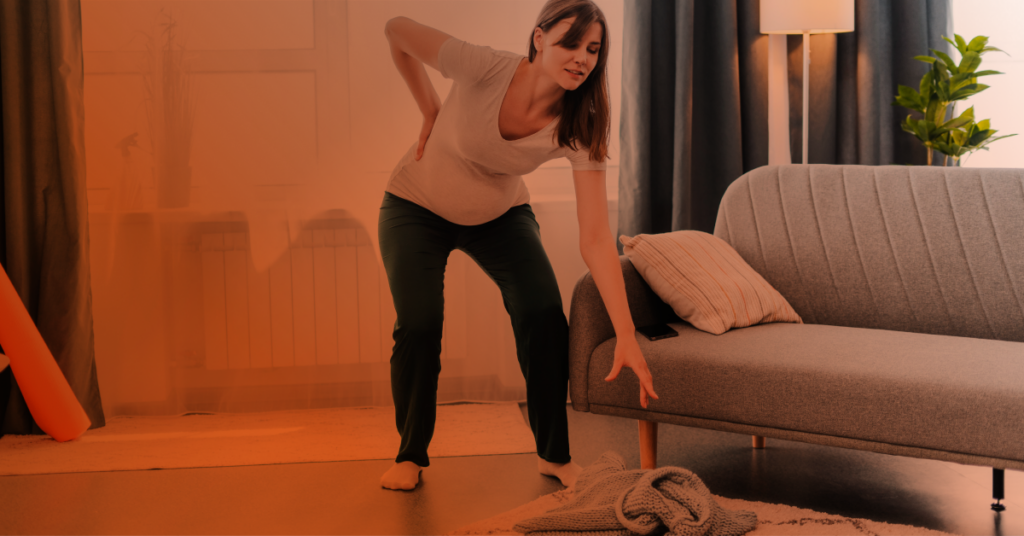
The short answer: Back pain that keeps returning usually means the underlying cause — not just the symptom — was never addressed. Pain can fade while the condition or movement pattern that produced it remains. Roughly one in three people who recover from an episode of low back pain has a recurrence within a year. [2]
Common underlying causes: Degenerative disc disease, herniated or bulging discs, sciatica (lumbar radiculopathy), arthritis of the spine (facet joints), muscle weakness or imbalance, poor posture and body mechanics, repetitive strain, and previous back injuries. More than one factor is often involved.
What actually prevents recurrence: An accurate diagnosis followed by active treatment. Exercise-based programs and physical therapy reduce the risk of a new episode by roughly 35–45%; rest alone does not. [3][5] Additional options include activity modification, anti-inflammatory medication, and image-guided injections when appropriate.
When to see a specialist: Pain that keeps returning despite home care, lasts longer than a few
weeks, radiates into the leg, causes numbness or weakness, or interferes with work and sleep.
Red flags — seek immediate care: Loss of bowel or bladder control, progressive leg weakness, fever or unexplained weight loss, or significant trauma. [4]
Who treats it: Dr. Michael Y. Mizhiritsky, MD — board-certified physiatrist (ABPMR), co-founder of NY Bone & Joint Specialists — leading NYBJ’s non-operative spine team, with interventional pain management and in-house physical therapy in the same practice.
Access: Same-day and next-day appointments at NYBJ Upper East Side (1198 Third Ave) and Midtown (425 Madison Ave, Suite 200). No referral required. Call 212-759-4553.
Few things are more frustrating than finally getting relief from back pain only to have it return weeks or months later. You rest, stretch, take over-the-counter medication, and gradually start feeling better. Then one morning you bend over to tie your shoes or pick up a grocery bag — and the pain is back. If you’re wondering why your back pain keeps coming back, you’re not alone. Recurring back pain is one of the most common reasons people seek orthopedic care, and research suggests that about one in three people who recover from an episode of low back pain will have another episode within a year. [2]
While each flare-up may feel like a new injury, persistent or recurring symptoms usually point to an underlying issue that hasn’t been fully addressed. Understanding what’s causing your pain is the first step toward finding lasting relief.
Why Does Back Pain Keep Coming Back?
Many episodes of back pain improve within a few weeks — but improvement doesn’t always mean the underlying problem has resolved. [1]
Think of it like fixing a leak by mopping up the water without repairing the pipe. The immediate problem appears to be gone, but the source remains. In the same way, pain can decrease while the condition or movement pattern that produced it is still present, waiting for the next lift, twist, or long day at a desk.
Several factors can contribute to recurring back pain, and in many cases more than one is involved:
- Muscle weakness or imbalance in the core and hips
- Poor posture or body mechanics during lifting, sitting, or sport
- Repetitive strain from work or hobbies
- Previous back injuries that healed with compensations
- Degenerative changes in the spine
- Herniated or bulging discs
- Arthritis affecting the joints of the spine
Common Conditions That Cause Recurring Back Pain
Recurring pain isn’t always caused by a single injury. Several orthopedic conditions produce symptoms that flare, settle, and flare again over time.
| Condition | Why It Causes Recurring Pain |
| Degenerative Disc Disease | With age, the discs between the vertebrae lose water content and flexibility. Many people have age-related disc changes without symptoms; in others, the affected segment becomes intermittently painful under load — producing recurring episodes of pain, stiffness, or reduced mobility. Degenerative disc disease treatment at NYBJ |
| Herniated Disc | Part of the disc pushes beyond its normal boundary and irritates nearby nerves. Symptoms — localized pain, radiating leg pain, numbness, tingling, or weakness — can settle as inflammation quiets, then return when the nerve is re-irritated. Herniated disc treatment at NYBJ |
| Sciatica (Lumbar Radiculopathy) | Pain travels along the sciatic nerve from the lower back into the buttock and down the leg. Episodes commonly improve and return if the underlying nerve root compression is never treated. Sciatica specialists at NYBJ |
| Arthritis of the Spine (Facet Joints) | Osteoarthritis of the small joints of the spine causes stiffness and discomfort that fluctuates over time and may gradually worsen. Maintaining mobility and targeted treatment help manage flare-ups. Back pain care at NYBJ |
Why Rest Alone Usually Isn’t Enough
When back pain strikes, it’s natural to want to rest. A short period of reduced activity may be appropriate during an acute flare-up — but extended bed rest is rarely recommended, and current clinical guidelines emphasize active, non-drug treatment first: exercise, physical therapy, and movement
retraining. [1][3]
The evidence on prevention is clear. Exercise-based programs — alone or combined with education — reduce the risk of a future episode of low back pain by roughly 35–45%. Rest, by itself, prevents nothing. [5]
Depending on the diagnosis, treatment may include:
- Physical therapy focused on the specific movement problem
- Activity and workstation modifications
- Anti-inflammatory medications
- Image-guided therapeutic injections when appropriate
- Lifestyle changes — strength, weight, and conditioning
- Surgical evaluation for the small minority of cases that need it
The right combination depends entirely on the specific cause of your pain — which is why the diagnosis matters more than any individual treatment.
When Should You See a Specialist?
Occasional soreness after physical activity is common. Recurring back pain, however, shouldn’t simply
be accepted as part of daily life. It’s time to schedule an evaluation if your pain:
- Keeps returning despite rest or home treatment
- Lasts longer than a few weeks
- Radiates into your buttock or leg
- Causes numbness, tingling, or weakness
- Interferes with work, sleep, or everyday activities
Seek immediate medical attention if your back pain is accompanied by any of the following — these can indicate a serious condition requiring prompt evaluation: [4]
- Loss of bowel or bladder control
- Progressive weakness in the legs
- Fever or unexplained weight loss
- Significant trauma, such as a fall or car accident
What a Specialist Does Differently: Diagnosis First
The first step in treating recurring back pain is identifying the underlying cause. At NY Bone & Joint, that evaluation is led by our non-operative spine team — physiatry, interventional spine, and sports medicine physicians working alongside in-house physical therapists. Your specialist will review your symptom history and flare-up pattern, perform a physical examination, and determine whether imaging or additional testing is appropriate. When symptoms suggest nerve involvement, electrodiagnostic (EMG) testing can pinpoint which nerve root is responsible — precision that changes the treatment plan. [3]
From there, a personalized plan is built to reduce pain, restore function, and lower the risk of future flare-ups. For many patients that centers on physical therapy to improve movement patterns, strengthen supporting muscles, and reduce stress on the spine; for others it includes image-guided injections to calm an inflamed nerve root so rehabilitation can progress. To learn more about how rehabilitation prevents recurrence, read our companion article, Your Core Workout Isn’t Helping Your Back. Here’s What Will.
Don’t Ignore Back Pain That Keeps Returning
If you’re asking yourself why your back pain keeps coming back, it’s time to look beyond temporary relief. Many episodes improve on their own — but recurring pain is a pattern, and patterns have causes. At New York Bone & Joint Specialists, our spine team provides comprehensive evaluation and treatment for the full range of spine conditions, resolving the large majority of them without surgery. Whether your symptoms are new or have been returning for years, we’ll help you understand the cause of your pain and build a plan that gets you back to living comfortably — and keeps you there.
Frequently Asked Questions
Why does my back pain keep coming back?
Back pain usually returns because the underlying cause was never identified or treated — pain can fade while the responsible condition or movement pattern remains. Common culprits include degenerative disc disease, herniated discs, sciatica, facet joint arthritis, and core muscle weakness. Research shows roughly one in three people who recover from a low back pain episode has a recurrence within a year. [2]
Is it normal for back pain to come and go?
Fluctuating back pain is common, but it is not something you have to accept — recurring episodes are a pattern, and patterns have identifiable causes. Occasional soreness after unusual activity is normal. Pain that returns repeatedly to the same area, or that follows the same triggers, deserves a diagnostic evaluation rather than another round of rest and medication. [1]
What conditions cause back pain that keeps returning?
The most common conditions behind recurring back pain are degenerative disc disease, herniated or bulging discs, sciatica (lumbar radiculopathy), and arthritis of the spine’s facet joints. Muscle weakness, poor posture and body mechanics, repetitive strain, and previous injuries also contribute — and in many patients, more than one factor is involved at once.
How do I stop my back pain from coming back?
The most effective evidence-based way to prevent recurring back pain is an accurate diagnosis followed by active treatment — exercise-based physical therapy reduces the risk of a new episode by roughly 35–45%. Rest alone does not prevent recurrence. [5] Depending on the cause, a plan may also include activity modification, anti-inflammatory medication, and image-guided injections to allow rehabilitation to progress. [3]
When should I see a doctor for recurring back pain?
See a specialist if your back pain keeps returning despite home care, lasts longer than a few weeks, radiates into your leg, causes numbness or weakness, or interferes with work and sleep. An evaluation identifies the underlying cause — the essential step that home treatment skips. Same-day and next-day appointments are available at NYBJ; no referral is required.
When is back pain an emergency?
Seek immediate medical attention if back pain occurs with loss of bowel or bladder control, progressive leg weakness, fever, unexplained weight loss, or significant trauma such as a fall or car accident. These red flags can indicate serious conditions — including cauda equina syndrome, infection, or fracture — that require urgent evaluation. [4]
Do I need an MRI for recurring back pain?
Not always — most recurring back pain can be diagnosed with a careful history and physical examination, and imaging is added when the findings would change treatment. MRI is appropriate when symptoms suggest nerve root involvement, when red flags are present, or when pain persists despite structured conservative care. [3] When nerve symptoms are ambiguous, electrodiagnostic (EMG) testing at NYBJ can identify the specific nerve root involved.
Peer-Reviewed Clinical References
[1] AAOS. Low Back Pain. OrthoInfo. orthoinfo.aaos.org/en/diseases–conditions/low-back-pain
[2] da Silva T et al. Risk of Recurrence of Low Back Pain: A Systematic Review. J Orthop Sports Phys Therapy. pubmed.ncbi.nlm.nih.gov/28704626
[3] Qaseem A et al. Noninvasive Treatments for Acute, Subacute, and Chronic Low Back Pain: A Clinical Practice Guideline From the American College of Physicians. Ann Intern Med. 2017. pubmed.ncbi.nlm.nih.gov/28192789
[4] Deyo RA, Weinstein JN. Low Back Pain. N Engl J Med. 2001. pubmed.ncbi.nlm.nih.gov/11172169
[5] Steffens D et al. Prevention of Low Back Pain: A Systematic Review and Meta-analysis. JAMA Intern Med. 2016. pubmed.ncbi.nlm.nih.gov/26752509
About This Article

Written by: Michael Y. Mizhiritsky, MD, board-certified physiatrist (American Board of Physical Medicine and Rehabilitation) and co-founder of NY Bone & Joint Specialists, a private orthopedic and sports medicine practice in Manhattan, New York City.
Dr. Mizhiritsky leads NYBJ’s non-operative spine care team and specializes in recurring back pain, degenerative disc disease, herniated discs, sciatica, and electrodiagnostic (EMG) testing.
Consultations at NYBJ Upper East Side (1198 Third Ave, New York, NY 10021) and Midtown (425 Madison Ave, Suite 200, New York, NY 10017). Call 212-759-4553
Our Locations
-

Upper East Side: Full Service Orthopedic Center & Walk-In
1198 3rd Avenue, Between 69th and 70th Street New York, NY 10021Physicians: Monday–Friday 8:00am–6:00pm, Saturday 8:00am–5:00pm
Physical Therapy: Monday–Friday 7:00am–7:30pm, Saturday 8:00am–3:00pm
Sunday: ClosedPhone: (212) 759-4553 -

Orthopedic Doctor Midtown Manhattan NYC — New York Bone & Joint Specialists
425 Madison Ave, Suite 200 (second floor) New York, NY 10017 (corner of East 49th Street)Physician appointments: Mon–Fri 8:00 am–6:00 pm
Physical therapy: Mon–Fri 7 am–7:30 pm, Sat 8 am–3 pmPhone: (212) 759-4553 -

Orthopedic Doctor Upper East Side NYC — New York Bone & Joint Specialists
130 E 67th St New York, NY 10065Tuesday & Thursday: 8:00am–6:00pm
All other days: ClosedPhone: (212) 759-4553