Bone Density After 40: What You Can Do Now to Prevent Fractures Later
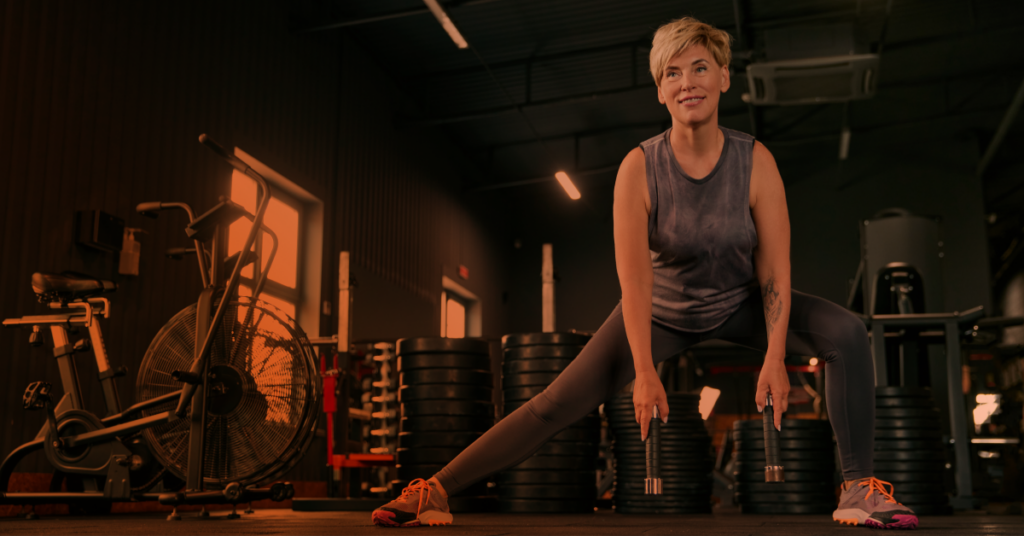
The short answer: Turning 40 does not mean you suddenly need a bone density scan, but it is a good time to pay attention to the factors that influence bone health. Bone mass typically peaks much earlier in adulthood, and age-related bone loss becomes more important over time. [1]
What you can do now: Regular weight-bearing and resistance exercise, adequate calcium and vitamin D, avoiding smoking, limiting heavy alcohol use, and addressing medical conditions or medications that affect bone can all support long-term bone health. [1][3][4]
Who should think about screening: The U.S. Preventive Services Task Force recommends osteoporosis screening for women age 65 and older and for postmenopausal women younger than 65 who are at increased fracture risk based on clinical risk assessment. Evidence remains insufficient for the USPSTF to recommend routine screening for all men. [2]
Why risk factors matter: Family history, menopause, low body weight, smoking, heavy alcohol use, certain medical conditions, and long-term use of medications such as glucocorticoids can increase osteoporosis risk. [1]
Why this matters: Osteoporosis is often called a silent disease because bone loss usually does not cause obvious symptoms until a fracture occurs. [1]
Forty has a way of making people start paying more attention to their health. Cholesterol gets more scrutiny. Recovery from workouts may take a little longer. Routine screenings start appearing more frequently on the calendar. Bone health, however, is easy to overlook because you usually cannot feel your bone density changing.
That is exactly why it deserves attention. Osteoporosis often develops without obvious symptoms, and many people do not realize their bones have become weaker until they experience a fracture. [1] The goal in your 40s is not necessarily to start undergoing bone density scans simply because you reached a certain birthday. It is to understand your risk factors and make choices now that can help protect your bones as you get older.
What Actually Happens to Bone Density as You Age?
Bone is living tissue. Throughout your life, old bone is continually broken down and replaced with new bone. Bone mass builds during childhood and adolescence and typically reaches its peak during the 20s. As we age, the balance gradually shifts, and more bone can be lost than replaced. [1]
This process does not happen at exactly the same rate for everyone. Hormones, genetics, nutrition, physical activity, medications, and certain medical conditions can all influence bone density. For women, declining estrogen around menopause can accelerate bone loss. Men also lose bone with age, although the pattern is generally slower and begins from a higher average peak bone mass. [1]
That makes your 40s less of a medical cutoff and more of an opportunity. You may still be years away from routine osteoporosis screening, but the habits and risk factors affecting your skeleton are already relevant.
Why You Cannot Rely on Symptoms to Tell You Your Bones Are Weak
Low bone density usually does not hurt. Osteoporosis does not typically cause an aching sensation that warns you your bones are becoming less strong. That is why waiting for symptoms is not an effective bone-health strategy.
In many cases, the first obvious sign of osteoporosis is a fracture. Osteoporosis-related fractures occur most often in the hip, wrist, and vertebrae of the spine. Vertebral fractures can sometimes cause back pain, loss of height, or a more stooped posture. [1]
If you have already experienced a fracture from a relatively minor fall or other low-energy event, particularly as you get older, tell your physician. Your injury history can be important when deciding whether further evaluation of bone health is appropriate.
NYBJ discusses the condition in more detail in our guide to osteoporosis risks, prevention, and care.
Which Bone Health Risk Factors Matter After 40?
Some osteoporosis risk factors cannot be changed. Others can.
Age itself is one factor, and family history matters. Women have a greater overall risk, particularly after menopause, while men become increasingly vulnerable with older age as well. A parent with osteoporosis or a history of hip fracture can also increase your risk. [1]
Certain health conditions and medications deserve attention too. Rheumatoid arthritis, some endocrine and gastrointestinal disorders, eating disorders, and other chronic illnesses can affect bone health. Long-term use of glucocorticoid medications is a particularly important risk factor, while several other types of medication may also contribute to bone loss. [1]
Lifestyle factors are where you have more control.
| Bone Health Factor | Why It Matters | What You Can Do |
| Physical activity | Inactivity can contribute to bone loss and poorer physical conditioning. | Include regular weight-bearing activity and resistance exercise appropriate for your health and fitness level. [1][4] |
| Calcium | Calcium is an important structural component of bone. | Get adequate calcium through food when possible and discuss supplements with your healthcare provider if your diet is insufficient. [3] |
| Vitamin D | Vitamin D helps your body absorb calcium and supports normal bone mineralization. | Include appropriate dietary sources and discuss testing or supplementation with your provider when indicated. [3] |
| Smoking | Smoking is associated with increased osteoporosis and fracture risk. | Avoid starting or make quitting part of your long-term bone-health plan. [1] |
| Alcohol | Chronic heavy alcohol intake is a recognized osteoporosis risk factor. | Avoid heavy alcohol use. [1] |
| Medications and medical conditions | Some diseases and medications can accelerate bone loss. | Review your medication and medical history with your physician if you have osteoporosis risk factors. [1] |
| Menopause and hormonal changes | Lower estrogen after menopause increases bone-loss risk. | Discuss your individual fracture risk and whether earlier screening is appropriate. [1][2] |
Start With Exercise That Makes Your Bones Work
Exercise is one of the most useful things you can do for your musculoskeletal health, but not all activity challenges bone in the same way.
Weight-bearing exercise means your body is working against gravity while you remain upright. Walking, jogging, stair climbing, dancing, and many sports fall into this category. Resistance training uses weights, resistance bands, machines, or your own body weight to make muscles work against resistance. Both types of exercise are recommended as part of maintaining bone health. [4]
Strength also matters for another reason: stronger muscles, better balance, and better physical function can help reduce the risk of falls as you age. Preventing an osteoporosis-related fracture is not only about the density of the bone. It is also about reducing the chance that you will fall hard enough to break one.
You do not need to suddenly begin an aggressive high-impact program to help your bones. In fact, people who already have osteoporosis, low bone density, previous fractures, or significant medical limitations should talk with a healthcare professional before beginning unfamiliar or high-impact exercise. [4]
Our corresponding All Sports Physical Therapy article, Weight-Bearing Exercise and Bone Health: What the Research Actually Shows, will take a closer look at the types of exercise that place useful stress on bone and how to build them into a safe training program.
Make Sure Your Diet Supports Your Skeleton
Calcium and vitamin D work together in bone health. Calcium is a major component of bone, while vitamin D helps the body absorb calcium and supports normal bone mineralization. [3]
For adults ages 31 through 50, the National Institutes of Health recommends 1,000 mg of calcium per day. Recommended calcium intake increases to 1,200 mg per day for women ages 51 through 70, while men in that age range continue to need 1,000 mg. For adults over 70, the recommendation is 1,200 mg per day. Recommended vitamin D intake is 600 IU daily for adults through age 70 and 800 IU after age 70. [3]
Those numbers include what you get through food, not just supplements. Dairy products, certain leafy green vegetables, canned fish with edible bones, and calcium-fortified foods can provide calcium. Fatty fish and fortified foods are among the dietary sources of vitamin D.
More is not automatically better. Supplements can be useful when dietary intake is inadequate or when a physician identifies a specific need, but taking large doses on your own is not a substitute for assessing your overall bone health. Discuss supplementation with your healthcare provider, particularly if you take other medications or have kidney disease, a history of kidney stones, or another medical condition that could affect what is appropriate for you.
Smoking and Heavy Alcohol Use Affect More Than Your Heart
Smoking is commonly discussed in connection with lung and cardiovascular disease, but it is also a risk factor for osteoporosis and fractures. Chronic heavy alcohol use is another established risk factor for bone loss. [1]
These effects add up over time. If you are thinking about your health differently in your 40s, bone health is another reason to avoid smoking and reduce heavy alcohol intake rather than waiting until osteoporosis becomes a concern decades later.
Should Everyone Get a Bone Density Test at 40?
No. Age 40 by itself is not an indication for routine bone density screening.
The current U.S. Preventive Services Task Force recommendation calls for osteoporosis screening in all women age 65 and older. It also recommends screening postmenopausal women younger than 65 who have one or more risk factors and are found to be at increased fracture risk through clinical risk assessment. [2]
For men, the USPSTF currently concludes that there is not enough evidence to determine the balance of benefits and harms of routine osteoporosis screening. That does not mean men should never receive a bone density test. A clinician may still recommend testing based on an individual patient’s age, fracture history, medical conditions, medications, or other risk factors.
If you are in your 40s and concerned about bone density, the right first step is usually a risk assessment rather than automatically scheduling a scan.
What Is a Bone Density Test?
The most commonly used test for measuring bone mineral density is dual-energy X-ray absorptiometry, usually called DXA or DEXA. The test uses a small amount of X-ray energy to measure mineral content in specific bones, commonly including the hip and spine. [3]
DXA results help physicians estimate bone strength and identify low bone density or osteoporosis. How those results are interpreted depends partly on your age, sex, and clinical situation. A bone density measurement is also only one part of fracture-risk assessment.
Your physician may consider:
- Your age and sex
- Previous fractures
- Family history of osteoporosis or hip fracture
- Menopause and menstrual history when relevant
- Smoking and alcohol use
- Medical conditions associated with bone loss
- Medications that can affect bone
- Your height, weight, strength, balance, and gait
The decision to test should be based on the complete risk picture rather than one factor in isolation. [2][3]
What If a Scan Shows Low Bone Density?
Low bone density does not automatically mean you are destined to fracture a bone. It does mean your healthcare provider has more information to use when estimating your future risk.
Treatment depends on how low the bone density is, your age, previous fractures, overall fracture risk, underlying medical conditions, and other factors. Lifestyle measures such as appropriate exercise and adequate nutrition remain important, but some patients with osteoporosis also benefit from prescription medication designed to reduce fracture risk. [3]
An evaluation may also look for reasons bone density is lower than expected. In some cases, an underlying medical condition, hormonal issue, nutritional deficiency, or medication may be contributing to bone loss. Treating osteoporosis effectively involves more than simply looking at one DXA number.
Preventing Fractures Is About More Than Bone Density
Strong bones matter, but fracture prevention also means keeping the rest of the musculoskeletal system working well.
Muscle weakness, poor balance, and limited mobility can increase the likelihood of falling. Regular activity can improve strength and physical function, while addressing vision problems, unsafe footwear, or hazards in the home can become increasingly important with age. [4]
This is also where orthopedic health and bone health intersect. Joint pain that makes you less active can reduce the amount of weight-bearing exercise you perform. An injury that keeps you sedentary for an extended period can affect conditioning. Chronic balance problems can increase fall risk. Addressing these issues can help you remain active enough to continue supporting your bones.
Women navigating hormonal and musculoskeletal changes can also learn more through NYBJ’s women’s bone, joint, and musculoskeletal health resources.
When Should You Talk to a Doctor About Your Bone Health?
You do not need to wait until age 65 to have a conversation about osteoporosis. Consider discussing bone health with your physician earlier if you have several risk factors or something in your medical history suggests that your bones may be more vulnerable.
That can include:
- A fracture after relatively minor trauma
- Early menopause or other significant hormonal changes
- A strong family history of osteoporosis or hip fracture
- Long-term glucocorticoid use
- A medical condition associated with bone loss
- Very low body weight
- A history of prolonged inactivity
- Smoking or chronic heavy alcohol use
- Concerns about inadequate calcium or vitamin D intake
The presence of one of these factors does not automatically mean you have osteoporosis. It means your risk deserves to be considered in context.
Think About Your Bones Before They Give You a Reason To
Most people take bone health seriously only after a fracture. Your 40s offer a chance to approach it differently.
You cannot change your genetics or stop the aging process, but you can stay physically active, challenge your muscles and bones appropriately, pay attention to nutrition, avoid smoking, limit heavy alcohol use, and make sure medical conditions or medications that affect bone are not being overlooked. You can also learn when screening actually makes sense rather than waiting until osteoporosis announces itself through an injury.
New York Bone & Joint Specialists treats musculoskeletal conditions including osteoporosis and fractures and can help determine when further evaluation is appropriate. If you are concerned about your bone health, fracture risk, or a recent injury, schedule an orthopedic evaluation with NYBJ.
content.
Frequently Asked Questions
Does bone density start dropping at age 40?
There is no sudden drop in bone density simply because you turn 40. Bone mass generally reaches its peak during the 20s, and age-related bone loss develops over time. Hormonal changes, particularly around menopause, can accelerate that process in women. [1]
Should I have a bone density scan at age 40?
Most healthy 40-year-olds do not need routine osteoporosis screening based on age alone. Current USPSTF recommendations call for screening women age 65 and older and younger postmenopausal women who are at increased fracture risk after clinical risk assessment. Testing at a younger age may still be appropriate when individual risk factors or medical conditions warrant it. [2]
Can you prevent osteoporosis after 40?
You cannot control every cause of osteoporosis, but you can address several important risk factors. Weight-bearing and resistance exercise, adequate calcium and vitamin D, avoiding smoking, limiting heavy alcohol use, and managing conditions or medications that affect bone can support bone health and help reduce fracture risk. [1][3][4]
What exercises are best for bone density?
Weight-bearing and resistance exercises are important components of a bone-health program. Walking, stair climbing, running when appropriate, resistance bands, free weights, machines, and body-weight exercises can all place useful stress on bones. People with osteoporosis or previous fractures should get guidance before beginning unfamiliar high-impact or heavy resistance exercise. [4]
How much calcium do adults over 40 need?
Adults ages 31 through 50 generally need 1,000 mg of calcium per day from food and supplements combined. Women ages 51 through 70 need 1,200 mg daily, while men in that age range continue to need 1,000 mg. Requirements increase to 1,200 mg for adults over 70. [3]
Does vitamin D help bone density?
Vitamin D is necessary for normal calcium absorption and bone mineralization. Adults through age 70 generally need 600 IU per day, while adults over 70 need 800 IU. Your healthcare provider may recommend a different approach if testing shows a deficiency or you have another medical reason for supplementation. [3]
Can men get osteoporosis?
Yes. Osteoporosis is more common in women, but men can also develop low bone density and osteoporosis, particularly as they get older. The USPSTF currently finds insufficient evidence to recommend routine osteoporosis screening for all men, so testing decisions are individualized based on risk factors and clinical history. [1][2]
What happens if a bone density scan shows osteoporosis?
Your physician will consider the scan together with your fracture history and overall risk before recommending treatment. Management can include exercise, nutrition and lifestyle changes, fall-prevention measures, treatment of underlying causes, and prescription osteoporosis medication when appropriate. [3]
References
[1] National Institute of Arthritis and Musculoskeletal and Skin Diseases. Osteoporosis: Causes, Risk Factors, & Symptoms. National Institutes of Health.
[2] U.S. Preventive Services Task Force. Osteoporosis to Prevent Fractures: Screening. January 14, 2025.
[3] National Institute of Arthritis and Musculoskeletal and Skin Diseases. Osteoporosis: Diagnosis, Treatment, and Steps to Take. National Institutes of Health.
[4] National Institute of Arthritis and Musculoskeletal and Skin Diseases. Exercise for Your Bone Health. National Institutes of Health.
[5] National Institute of Arthritis and Musculoskeletal and Skin Diseases. Calcium and Vitamin D: Important for Bone Health. National Institutes of Health.
Our Locations
-

Upper East Side: Full Service Orthopedic Center & Walk-In
1198 3rd Avenue, Between 69th and 70th Street New York, NY 10021Physicians: Monday–Friday 8:00am–6:00pm, Saturday 8:00am–5:00pm
Physical Therapy: Monday–Friday 7:00am–7:30pm, Saturday 8:00am–3:00pm
Sunday: ClosedPhone: (212) 759-4553 -

Orthopedic Doctor Midtown Manhattan NYC — New York Bone & Joint Specialists
425 Madison Ave, Suite 200 (second floor) New York, NY 10017 (corner of East 49th Street)Physician appointments: Mon–Fri 8:00 am–6:00 pm
Physical therapy: Mon–Fri 7 am–7:30 pm, Sat 8 am–3 pmPhone: (212) 759-4553 -

Orthopedic Doctor Upper East Side NYC — New York Bone & Joint Specialists
130 E 67th St New York, NY 10065Tuesday & Thursday: 8:00am–6:00pm
All other days: ClosedPhone: (212) 759-4553