Pediatric Sports Injuries: What Parents Should Know Before Fall Season
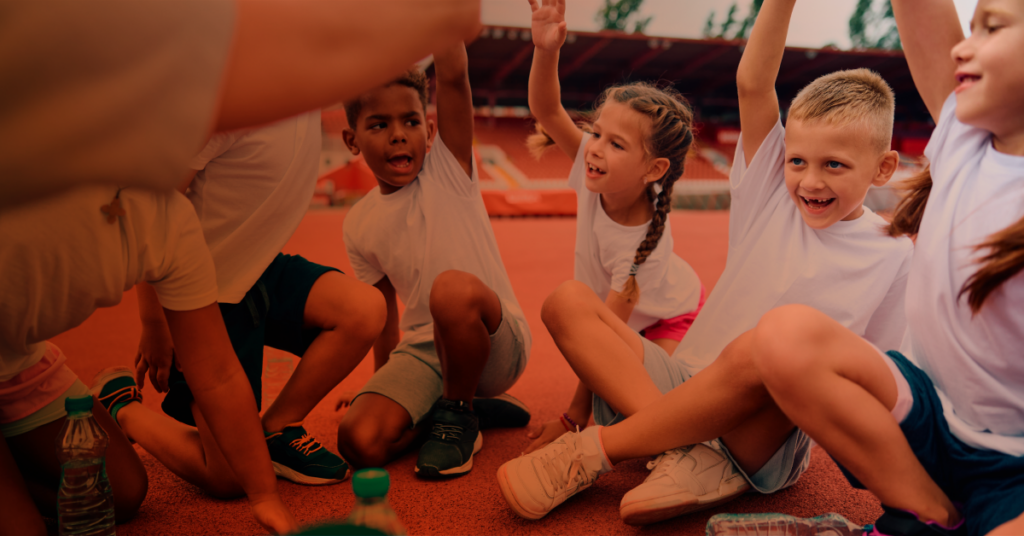
The short answer: Young athletes face two categories of injury during fall sports: acute injuries (sprains, strains, fractures, dislocations, concussions) and overuse injuries (growth plate stress injuries, stress fractures, tendon overload) — and because children have open growth plates, pain in a growing athlete should not automatically be treated like adult muscle soreness. [1][2]
Why children are different: Growth plates are areas of developing cartilage near the ends of bones that are more vulnerable to both sudden trauma and repetitive stress. During growth spurts, bones can lengthen faster than muscles and tendons adapt, temporarily reducing flexibility and coordination. [1]
Warning signs parents should act on: Pain lasting more than several days or returning with the same activity, swelling, limping, a joint that gives way or locks, tenderness directly over a bone, pain that wakes the child at night, a decline in performance, or changes in technique (shortened stride, avoiding one leg, dropped throwing arm).
Concussion rule: A player with a suspected concussion must be removed from play immediately, must not return the same day, and should be evaluated by a qualified healthcare provider. [4]
Prevention that works: Preseason physicals, gradual increases in training load, properly fitted equipment, warm-ups, at least one rest day per week, breaks from single-sport specialization, and an environment where reporting pain is safe. [2][5]
Who treats it: NYBJ’s orthopedic and sports medicine team — including Dr. Trocon Davis, MD, fellowship-trained in adult and pediatric sports medicine — evaluates acute and overuse injuries in athletes of all ages.
Access: Same-day and next-day appointments at NYBJ Upper East Side (1198 Third Ave) and Midtown (425 Madison Ave, Suite 200). Walk-in orthopedic urgent care at 1198 Third Ave for acute injuries. Call 212-759-4553.
The beginning of fall sports season is an exciting time for young athletes. Soccer, football, volleyball, field hockey, cross-country, and other school sports give children an opportunity to stay active, build confidence, and connect with their teammates.
The start of a new season can also place sudden demands on a young athlete’s body. Some children return after a relatively inactive summer. Others move directly from club teams, camps, or another sport into daily practices without much recovery time. [5]
Understanding common pediatric sports injuries can help parents recognize when an athlete needs rest, rehabilitation, or an orthopedic evaluation — and prepare for the season before pain interferes with participation.
Children Are Not Simply Smaller Adult Athletes
Young athletes are still growing. Their bones, muscles, tendons, ligaments, and coordination can change quickly, especially during a growth spurt.
Growth plates are areas of developing cartilage near the ends of bones. Because these areas have not yet hardened into mature bone, they are more vulnerable to repetitive stress and certain injuries — an injury that would cause a sprain in an adult can affect the bone of a child. [1]
Bones can also grow faster than the surrounding muscles and tendons. This may temporarily reduce flexibility and affect balance or coordination. A movement that felt natural several months ago may suddenly become more difficult as the athlete adjusts to a changing body. These differences are why pain in a growing athlete should not automatically be treated like routine adult muscle soreness. [2]
Acute Injuries vs. Overuse Injuries
Acute injuries happen suddenly — a fall, collision, awkward landing, rapid change of direction, or direct blow. Common examples include ankle and knee sprains, muscle strains, fractures, dislocations, meniscus injuries, ligament tears, and concussions. Symptoms are usually noticeable immediately: sharp pain, a pop, swelling, or difficulty moving the injured area.
Overuse injuries develop gradually when repetitive activity places more stress on the body than it can recover from between practices and games. These are particularly important in children because repetitive stress can affect growth plates as well as muscles, bones, and tendons. [2][3] Early symptoms may seem minor — soreness after practice that resolves by morning. Without enough rest, the pain begins during activity and eventually continues even at rest. Learn more about the early signs in Young Athletes and Overuse Injuries: A Physical Therapist’s Warning Signs.
Common Fall Sports Injuries in Children and Teens
| Injury | What parents should know | Typical Sports |
| Ankle & Knee Sprains | Running, pivoting, landing, and cutting stretch or tear stabilizing ligaments. Pain, swelling, bruising, instability, or difficulty bearing weight. Mild injuries respond to conservative care; significant swelling, instability, or inability to walk should be evaluated. See sprains and strains. | Soccer, football, volleyball, field hockey |
| Muscle Strains | Sudden acceleration, kicking, sprinting, and jumping strain the hamstrings, quadriceps, calves, groin, or hip muscles. Returning before strength and flexibility recover increases reinjury risk. | All running and kicking sports |
| Growth Plate Injuries | Growth plates can be injured by a sudden accident or repeated stress — they are weaker than mature bone, so a force that sprains an adult can fracture a child. Persistent pain near the end of a bone or around a joint should be evaluated, particularly when it worsens with activity. [1] | All sports; highest during growth spurts |
| Stress Reactions & Stress Fractures | Repeated loading gradually weakens an area of bone. Localized pain that worsens with running, jumping, or weight-bearing — often after a sudden increase in running volume. [3] | Cross-country, distance running |
| Osteochondritis Dissecans | An area of bone beneath joint cartilage loses part of its blood supply, most commonly in the knee, elbow, or ankle. Persistent joint pain, swelling, stiffness, catching, or locking. Early diagnosis matters. Learn more about osteochondritis dissecans. | Repetitive joint-loading sports |
| Concussions | A blow to the head — or a hit to the body that moves the head rapidly. Headache, dizziness, nausea, balance problems, confusion, light/noise sensitivity, mood or sleep changes. Remove from play immediately; no same-day return; evaluation by a qualified provider. [4] | Football, soccer, field hockey |
Warning Signs Parents Should Not Ignore
Young athletes sometimes minimize their symptoms because they do not want to miss practice, lose their position, or disappoint their team. Pay attention to both what the athlete says and how the athlete moves. Schedule an evaluation when a child has:
- Pain that continues for more than several days, or repeatedly returns during the same activity
- Swelling that does not improve
- Difficulty walking or bearing weight, or a pain-related limp
- A joint that buckles, gives way, catches, or locks
- Loss of strength or motion
- Tenderness directly over a bone
- A noticeable decline in performance
- Pain that wakes the child at night, or symptoms that continue despite rest
Changes in technique can also be a warning sign. A pitcher may lose speed or control. A runner may shorten one stride. A soccer player may avoid kicking with one leg. These adjustments may be the body’s way of protecting an injured area.
When Does a Sports Injury Require Urgent Care?
Seek prompt medical attention when an injury causes a visible deformity, an open wound, severe pain, inability to move the joint or bear weight, numbness or loss of sensation, significant immediate swelling, or a suspected fracture or dislocation.
After a head injury, emergency care is necessary for repeated vomiting, a worsening headache, seizure, slurred speech, unusual confusion, increasing drowsiness, weakness, or difficulty waking the athlete. [4] New York Bone & Joint Specialists offers an orthopedic urgent walk-in center at 1198 Third Ave for sudden musculoskeletal injuries that need timely evaluation.
How Parents Can Help Prevent Fall Sports Injuries
No strategy can prevent every injury, but preparation and appropriate recovery reduce unnecessary risk. [2][5]
Schedule a preseason physical. A sports physical can identify medical concerns that may affect safe participation. Tell the provider about previous injuries, ongoing pain, medications, and any history of concussion.
Increase activity gradually. An athlete who has been less active during the summer should not immediately return to full-speed practices. Build running volume, training intensity, sport-specific movements, strength, and endurance progressively — sudden increases in workload overload tissue that is not yet prepared for the season. [3]
Check shoes and protective equipment. Shoes, helmets, pads, braces, and mouthguards should fit properly and suit the sport. Replace worn-out footwear and equipment outgrown after a growth spurt.
Make time for warm-ups. A warm-up should gradually raise the heart rate and rehearse the movements used in the sport: light jogging, dynamic leg movements, arm circles, controlled lunges, sport-specific footwork, gradually increasing speed.
Protect rest and recovery. More training is not always better. Playing on several teams at once or in one sport year-round increases repetitive stress. The American Academy of Pediatrics recommends building rest into the training plan; rest days and off-seasons are part of training, not a sign of poor commitment. [2][5]
Encourage honest communication. Children should know they will not be punished for reporting pain. Ask specific questions: Does anything hurt when you run or jump? Is one side more sore than the other? Did you feel dizzy or confused after a hit? Is the pain still there the next morning?
How Pediatric Sports Injuries Are Evaluated
A sports medicine specialist will ask how the injury happened, when symptoms began, and which movements make them worse. The examination may assess tenderness, swelling, joint stability, strength, range of motion, walking or running mechanics, balance, and sport-specific movement.
X-rays may be used to evaluate the bones and growth plates. An MRI or other imaging may be recommended when the doctor suspects a ligament, tendon, cartilage, or stress injury that cannot be fully assessed through examination or standard X-ray. [1] Treatment depends on the diagnosis and may include temporary activity modification, bracing, medication, physical therapy, or a structured return-to-sport plan. Surgery is reserved for injuries that require repair or stabilization.
Start the Fall Season With a Healthy Foundation
Youth sports should help children develop lifelong confidence in movement — pain should not be viewed as the price of participation. Parents can help by watching for changes in movement, encouraging rest, and seeking an evaluation when symptoms are not improving. Early treatment can often prevent a manageable injury from becoming a longer-term problem. At New York Bone & Joint Specialists, our orthopedic and sports medicine team evaluates acute and overuse injuries in athletes of all ages, and can develop a treatment plan designed for a safe return to school, sports, and everyday activity.
Frequently Asked Questions
What are the most common pediatric sports injuries in fall sports?
The most common fall-season injuries in young athletes are ankle and knee sprains, muscle strains, growth plate injuries, stress reactions and stress fractures, and concussions. Soccer, football, volleyball, field hockey, and cross-country each concentrate risk differently — cutting sports produce more sprains, while distance running produces more bone stress injuries. Overuse injuries are especially important in children because repetitive stress can affect growth plates. [1][2]
What is a growth plate injury and why does it matter?
A growth plate injury is damage to the area of developing cartilage near the end of a growing bone — tissue that is weaker than mature bone, which is why a force that would sprain an adult’s joint can fracture a child’s growth plate. Most growth plate injuries heal well with prompt treatment, but untreated injuries can, in some cases, affect how the bone grows. Persistent pain near the end of a bone or around a joint, particularly if it worsens with activity, should be evaluated with an examination and X-rays. [1]
How do I know if my child’s pain is serious or just soreness?
Normal soreness is diffuse, affects both sides, and resolves within a day or two — warning signs include pain lasting more than several days, pain that returns with the same activity, pinpoint tenderness over a bone, swelling, limping, night pain, or a decline in performance. Also watch how your child moves: a shortened stride, avoiding one leg, or a dropped throwing arm is often the first sign of an injury a child is not reporting. When these signs appear, reduce the activity and schedule an evaluation.
What should I do if my child gets a concussion during a game?
Remove the athlete from play immediately — a player with a suspected concussion must not return to play the same day and should be evaluated by a qualified healthcare provider before any return to sport. Seek emergency care for repeated vomiting, worsening headache, seizure, slurred speech, unusual confusion, increasing drowsiness, weakness, or difficulty waking. Return to school and sport should follow a stepwise, medically supervised progression. [4]
Is year-round single-sport specialization bad for kids?
Early single-sport specialization is associated with higher rates of overuse injury and burnout in young athletes — leading pediatric sports medicine organizations recommend regular rest days, breaks between seasons, and sampling multiple sports during childhood. The total workload matters: school team, travel team, private lessons, and tournaments each look reasonable alone but can combine to exceed what a growing body can recover from. [2][3][5]
When should a child see a doctor instead of resting at home?
See a doctor when pain lasts more than several days despite rest, keeps returning with the same activity, involves swelling, limping, instability, catching or locking, bone tenderness, night pain, or any suspected fracture, dislocation, or concussion. Seek urgent care for deformity, open wounds, severe pain, inability to bear weight, numbness, or significant immediate swelling. NYBJ’s walk-in orthopedic urgent care at 1198 Third Ave evaluates acute injuries without an appointment.
How can parents help prevent sports injuries this fall?
The highest-impact steps are a preseason physical, a gradual build-up of training after the summer, properly fitted shoes and equipment, consistent warm-ups, at least one full rest day per week, and making it safe for kids to report pain. Prevention is largely load management: increase running volume and intensity progressively, limit overlapping teams, allow extra recovery during growth spurts, and prioritize sleep and nutrition. [2][3][5]
Peer-Reviewed Clinical References
[1] AAOS. Growth Plate Fractures. OrthoInfo. orthoinfo.aaos.org/en/diseases–conditions/growth-plate-fractures
[2] Brenner JS; AAP Council on Sports Medicine and Fitness. Overuse Injuries, Overtraining, and Burnout in Child and Adolescent Athletes. Pediatrics. 2007. pubmed.ncbi.nlm.nih.gov/17545378
[3] DiFiori JP et al. Overuse Injuries and Burnout in Youth Sports: AMSSM Position Statement. Clin J Sport Med. 2014. pubmed.ncbi.nlm.nih.gov/24366013
[4] McCrory P et al. Consensus Statement on Concussion in Sport (Berlin). Br J Sports Med. 2017. pubmed.ncbi.nlm.nih.gov/28446457
[5] Jayanthi N et al. Sports Specialization in Young Athletes: Evidence-Based Recommendations. Sports Health. 2013. pubmed.ncbi.nlm.nih.gov/24427397
About This Article

Written by: Written by Trocon Davis, MD, non-operative sports medicine specialist at NY Bone & Joint Specialists, a private orthopedic and sports medicine practice in Manhattan, New York City. Dr. Davis is a Princeton University and Temple University School of Medicine graduate who completed his Sports Medicine fellowship at Penn Medicine Chester County Hospital, with training in both adult and pediatric sports medicine. NYBJ evaluates and treats pediatric sports injuries including sprains and strains, growth plate injuries, stress fractures, osteochondritis dissecans, and overuse injuries.
Consultations at NYBJ Upper East Side (1198 Third Ave, New York, NY 10021) and Midtown (425 Madison Ave, Suite 200, New York, NY 10017). Call 212-759-4553
Our Locations
-

Upper East Side: Full Service Orthopedic Center & Walk-In
1198 3rd Avenue, Between 69th and 70th Street New York, NY 10021Physicians: Monday–Friday 8:00am–6:00pm, Saturday 8:00am–5:00pm
Physical Therapy: Monday–Friday 7:00am–7:30pm, Saturday 8:00am–3:00pm
Sunday: ClosedPhone: (212) 759-4553 -

Orthopedic Doctor Midtown Manhattan NYC — New York Bone & Joint Specialists
425 Madison Ave, Suite 200 (second floor) New York, NY 10017 (corner of East 49th Street)Physician appointments: Mon–Fri 8:00 am–6:00 pm
Physical therapy: Mon–Fri 7 am–7:30 pm, Sat 8 am–3 pmPhone: (212) 759-4553 -

Orthopedic Doctor Upper East Side NYC — New York Bone & Joint Specialists
130 E 67th St New York, NY 10065Currently ClosedPhone: (212) 759-4553