Peripheral Nerve Stimulation NYC — SPRINT PNS for Chronic Nerve & Joint Pain at New York Bone & Joint
Written by: Dr. Efime Popovitz
Dual Board-Certified in Anesthesiology and Pain Medicine (ABA) | Fellowship-Trained Pain Medicine, Yale School of Medicine | Interventional Pain Management | New York Bone & Joint Specialists
Date Published: June 11, 2026
Last Updated: June 26, 2026
Last Medically Reviewed: June 26, 2026
This page has been written and reviewed by a fellowship-trained, board-certified orthopedic surgeon with over 20 years of clinical experience. All clinical claims are supported by peer-reviewed literature and current AAOS and AOSSM guidelines. See References section below.
From the Co-Founders

Leon E. Popovitz, MD
Board-Certified Orthopedic Surgeon (ABOS)
Peripheral nerve stimulation addresses a patient population that is genuinely underserved in orthopedic practice: patients with chronic nerve or joint pain that has not responded to injections, patients who are not surgical candidates, and patients who want a non-permanent treatment option before committing to a long-term implant. When I built New York Bone & Joint, having that kind of clinical depth in pain management (the ability to offer a procedure like PNS rather than simply saying ‘there is nothing else we can do’) was part of the vision.
Dr. Efime Popovitz brings both the clinical training and the procedural precision that peripheral nerve stimulation requires. His anesthesiology background is genuinely relevant here: the nerve targeting that PNS demands is exactly the skill set that anesthesiology develops. The integration of that expertise within New York Bone & Joint’s orthopedic model means that patients who come to us with complex pain presentations have access to the full spectrum of what evidence-based pain medicine can offer.
PT Staff
Aayushi Chavda, PT | Cecilia Manubay, PT | Hetali Patel, PT | Nishtha Sharma, PT | Riddhi Patel, DPT | Samay Patel, PT, DPT
At a glance
What it is: Peripheral nerve stimulation (PNS) is a non-surgical, non-implant treatment for chronic pain that delivers gentle electrical stimulation through a thin, flexible lead placed near the peripheral nerve responsible for pain. The lead is removed after a 60-day treatment period. No surgery required. No permanent hardware.
The system used at New York Bone & Joint: The SPRINT PNS System is the most extensively studied percutaneous PNS system with published randomized controlled trial evidence demonstrating significant pain reduction vs. sham. [1]
Who performs it: Dr. Efime Popovitz, dual board-certified in Anesthesiology and Pain Medicine (American Board of Anesthesiology), fellowship-trained at Yale School of Medicine. All procedures at New York Bone & Joint’s Upper East Side and Midtown Manhattan offices.
Who is a candidate: Patients with chronic pain from peripheral nerve injury, chronic musculoskeletal pain following surgery or trauma, refractory low back pain with a peripheral nerve component, and patients who want to avoid a permanent implant or are not candidates for surgery. Evaluation by Dr. Efime Popovitz required to determine candidacy.
How it works: A thin, flexible lead is placed percutaneously (through a small needle insertion, not surgery) near the target peripheral nerve using ultrasound or fluoroscopic guidance. The lead delivers electrical stimulation for 60 days. Relief typically develops within the first 2 weeks. Many patients experience sustained relief beyond the 60-day treatment period, consistent with neuroplasticity effects. [1] [2]
What makes it different from permanent implants: No surgery. No permanent hardware. No long-term device maintenance. The lead is removable at any time. If the treatment is not effective, the lead is removed and no permanent changes have been made. This makes PNS an appropriate step before considering permanent spinal cord stimulation or implanted neuromodulation devices.
Access: Same-week consultations with Dr. Efime Popovitz. No referral required. Prior treatment history reviewed at consultation to confirm candidacy.
Book a consultation
Prompt Appointments Available
Upper East Side: 1198 Third Ave | Midtown: 425 Madison Ave
Surgery performed at Lenox Hill Hospital - Northwell Health
About this page
This page was written and is maintained by Efime Popovitz, MD, a dual board-certified pain management physician (Anesthesiology and Pain Medicine, American Board of Anesthesiology) fellowship-trained at Yale School of Medicine. Dr. Efime Popovitz specializes in interventional pain management with clinical experience in peripheral nerve stimulation using the SPRINT PNS System, radiofrequency ablation, epidural steroid injections, and sacroiliac joint interventions. New York Bone & Joint Specialists is a private orthopedic surgery and sports medicine practice with two Manhattan locations: Upper East Side (1198 Third Avenue) and Midtown (425 Madison Avenue). All PNS procedures are performed at New York Bone & Joint offices. New York Bone & Joint is independent of hospital systems and operates as a physician-founded private practice.
Introduction
Peripheral nerve stimulation (PNS) is the treatment option that most of my patients with refractory chronic pain have never been offered. Not because it’s experimental (it’s backed by randomized controlled trial evidence) but because it’s a specialized procedure that requires both the procedural training and the clinical framework to identify appropriate candidates. For a patient who has been through a series of injections with diminishing returns, isn’t a surgical candidate, and isn’t ready to commit to a permanent implanted device, PNS can be the option that changes their pain management trajectory.
The concept is straightforward: if a peripheral nerve is transmitting a pain signal to the brain, delivering electrical stimulation to that nerve can interrupt that signal. The SPRINT PNS System does this with a thin, flexible lead placed through a small needle insertion near the target nerve. There’s no incision, permanent hardware, or general anesthesia. The lead delivers gentle electrical stimulation over a 60-day treatment period and is then removed. Published clinical trials demonstrate significant pain reduction compared to sham treatment, [1] and a meaningful proportion of patients maintain their relief beyond the 60-day treatment period. [2] [4]
What makes PNS clinically distinct from permanent neuromodulation like spinal cord stimulators, dorsal root ganglion stimulators, permanent peripheral nerve stimulators is exactly this reversibility. A patient can try PNS, assess the response, and decide whether the relief justifies further treatment, all without a surgical procedure or permanent hardware. That reversibility, combined with the published evidence, is what makes PNS a meaningful addition to the spectrum of care we offer at New York Bone & Joint.
How Peripheral Nerve Stimulation Works
The mechanism of PNS involves two complementary effects: immediate signal modulation during the treatment period, and longer-term neuroplastic changes that persist after the lead is removed.
Immediate effect: pain signal modulation
Peripheral nerves carry pain signals from the site of injury or sensitization toward the brain. Electrical stimulation delivered at the nerve level (specifically, stimulation of the A-beta sensory fibers) activates inhibitory interneurons that suppress the transmission of pain signals. This is the gate control mechanism: large-fiber stimulation “closes the gate” on small-fiber pain transmission. [4] Patients typically experience this as a mild tingling or buzzing sensation in the distribution of the treated nerve, overlapping with their pain area.
Sustained effect: neuroplastic restoration
For many patients, pain relief extends well beyond the 60-day treatment period. The proposed mechanism is neuroplasticity: during the stimulation period, the nervous system normalizes its sensitized pain signaling pathways. Chronic pain is associated with central and peripheral sensitization, a state where the nervous system has been recalibrated toward amplified pain responses. A period of electrical stimulation may allow the system to recalibrate back toward normal signaling. [4] Published 12-month follow-up data shows sustained relief in a significant proportion of responders. [2]
| Mechanism | What It Means Clinically |
| Gate control: immediate | Large-fiber electrical stimulation suppresses small-fiber pain transmission at the nerve level. Relief begins within the first 2 weeks of stimulation. |
| Neuroplastic restoration: sustained | During the 60-day treatment period, sensitized pain signaling pathways normalize. Relief persists beyond lead removal in a significant proportion of responders. [2] [4] |
| No systemic medication effect | PNS acts locally at the nerve level. No systemic absorption, no medication-related side effects, no tolerance development. |
| Reversible by design | The lead is a temporary placement. If treatment is not effective, lead removal returns the patient to baseline. No permanent changes. |
The SPRINT PNS System: What We Use at New York Bone & Joint
The SPRINT PNS System by SPR Therapeutics is the most extensively studied percutaneous PNS system in the published literature. It consists of a thin, coiled lead (approximately the diameter of a human hair) delivered through a small-gauge introducer needle, without an incision. The lead is secured with a small adhesive dressing and connected to an external stimulator worn by the patient during the treatment period.
| Component | Description |
| Lead | Thin, flexible, coiled lead. Placed percutaneously through a small-gauge needle without incision. No barbs or anchors, atraumatic removal. |
| Placement guidance | Ultrasound-guided placement to confirm proximity to the target peripheral nerve. Electrical testing confirms appropriate nerve capture before finalizing position. |
| External stimulator | Small wearable device connected to the lead. Patient wears the stimulator during the treatment period. Parameters adjusted during follow-up. |
| Treatment duration | 60 days. Lead removed in-office at completion. Simple, atraumatic removal procedure. |
| Stimulation parameters | Programmed and adjusted by Dr. Efime Popovitz. Sub-threshold stimulation (paresthesia-free) or paresthesia-based depending on target nerve and patient preference. |
| FDA clearance | FDA-cleared for up to 60 days of use. The 60-day limit is a regulatory designation, not a biological limit; and the clinical benefit frequently extends well beyond the device period. [1] [2] |
| Why the SPRINT system specifically: Multiple PNS devices are available, but the SPRINT system has the most robust published evidence including randomized controlled trials. [1] [7] The trial evidence demonstrates statistically and clinically significant pain reduction versus sham, with sustained outcomes at 12 months in responders. [2] This is the evidence standard I require before integrating a neuromodulation technology into my practice. |
Conditions Treated with PNS at New York Bone & Joint
PNS is appropriate for chronic pain with a peripheral nerve component, specifically conditions where a peripheral nerve is the identifiable source of ongoing pain signals. The following conditions have the strongest evidence base or clinical rationale for PNS:
| Condition | Clinical Pattern | PNS Target Nerve | Evidence |
| Chronic low back pain with peripheral nerve component | Low back pain that has not responded to spinal injections; associated with peripheral sensitization rather than central spinal pathology | Medial cluneal nerves, superior cluneal nerves, or ilioinguinal/iliohypogastric nerves depending on pain distribution | Level I: SPRINT RCT [1]; 12-month follow-up data [2] |
| Post-surgical chronic pain (shoulder, knee, hip) | Persistent pain following orthopedic surgery that has not resolved with standard rehabilitation and injections; nerve injury or sensitization component | Nerve branches specific to the surgical site: subscapular, axillary (shoulder); saphenous, infrapatellar branch (knee); lateral femoral cutaneous (hip) | Level I for shoulder [3]; strong clinical evidence for knee and hip |
| Peripheral nerve injury | Traumatic nerve injury resulting in chronic pain in the nerve’s distribution; CRPS Type II pattern | Injured peripheral nerve at the level of the injury or proximally | Emerging evidence; supported by mechanism and case series [2] [5] |
| Chronic knee pain, non-surgical candidates | Persistent knee pain from medial compartment OA, post-meniscectomy syndrome, or articular damage in patients who are not candidates for or do not want replacement | Infrapatellar branch of the saphenous nerve; genicular nerve branches | Strong clinical evidence; same nerve targets as genicular nerve blocks |
| Occipital neuralgia / chronic headache | Posterior head and neck pain from greater or lesser occipital nerve sensitization, post-whiplash, or refractory cervicogenic headache | Greater occipital nerve, lesser occipital nerve | Established PNS target; supported by neuromodulation literature [2] |
| Shoulder pain, refractory or non-surgical | Chronic shoulder pain not responsive to injections; patients not candidates for surgery or preferring non-surgical pathway | Suprascapular nerve, axillary nerve branches | Level I: RCT data [3] |
| Groin / inguinal pain | Chronic inguinal or groin pain following hernia repair or other procedures; ilioinguinal or genitofemoral nerve involvement | Ilioinguinal nerve, genitofemoral nerve | Clinical evidence; supported by mechanism [2] |
Who is a Candidate for PNS?
PNS is a targeted treatment for a specific clinical profile. Not every patient with chronic pain is a PNS candidate, and determining candidacy requires careful clinical evaluation.
| Appropriate for PNS candidacy evaluation | Not appropriate / different pathway indicated |
| Chronic pain present for 3+ months with a peripheral nerve component that has not responded adequately to conservative treatment (PT, NSAIDs) and interventional options (injections, RFA) | Acute pain or pain present for less than 3 months; conservative treatment should be maximized first |
| Patients who have had some response to peripheral nerve blocks (diagnostic confirmation that the nerve is a contributor) | Central pain syndromes without a peripheral nerve component; spinal cord stimulation may be more appropriate |
| Patients who want to avoid surgery or permanent implanted devices | Active infection at the planned lead placement site |
| Patients who have had prior surgical procedures (meniscectomy, shoulder surgery, hernia repair) and developed post-surgical chronic pain | Coagulopathy or anticoagulation that cannot be safely bridged |
| Post-fusion low back pain with peripheral sensitization component | Structural causes requiring surgical correction (spinal instability, cord compression) |
| Patients who want to trial neuromodulation before committing to a permanent spinal cord stimulator | Patients with pacemakers or implanted cardiac devices (device interaction must be evaluated) |
| Patients with inadequate response to multiple injection types, where peripheral nerve sensitization is the likely ongoing driver | Patients with primary psychiatric pain disorders without adequate mental health treatment |
The Procedure: Placement, Treatment Period, and Removal
| Phase | What Happens | Time |
| Consultation & candidacy evaluation | Dr. Efime Popovitz reviews pain history, prior treatments, imaging, and examination. Target nerve identified. Patient education on the treatment period and expectations. Stimulation parameters discussed. | At consultation visit |
| Lead placement | Scheduled at surgery center. Patient positioned to optimize ultrasound access to target nerve. Skin cleaned and local anesthesia applied. SPRINT lead introduced through a small-gauge needle under ultrasound guidance to the vicinity of the target nerve. Electrical testing confirms appropriate nerve capture. Lead secured with adhesive dressing. External stimulator connected. | 20–40 minutes |
| Treatment period | Patient wears the external stimulator for the 60-day treatment period. Parameters adjusted at follow-up visits. Relief typically develops within the first 2 weeks. Activity modifications minimal, most patients continue normal activities. | 60 days |
| Follow-up during treatment | In-office visits to assess response, adjust stimulation parameters, and address any lead site questions. Typical follow-up at 2 weeks, 4 weeks, and end of treatment period. | 3 visits during treatment |
| Lead removal | At 60 days, lead removed in the office. Simple atraumatic procedure. No anesthesia required. The coiled design allows gentle extraction without tissue disruption. | 5–10 minutes |
| Post-treatment assessment | Pain levels assessed at 30 days and 60 days post-removal. Sustained relief tracked. If response is strong and sustained, treatment considered successful. If relief was significant during treatment but did not sustain, repeat treatment or permanent device evaluation discussed. | 30 and 60 days post-removal |
PNS vs. Spinal Cord Stimulation: How They Compare
Patients considering neuromodulation often ask about the difference between PNS and spinal cord stimulation (SCS). Both use electrical stimulation to manage chronic pain, but they differ in mechanism, target, invasiveness, and reversibility.
| Peripheral Nerve Stimulation (SPRINT PNS) | Spinal Cord Stimulation (SCS) | |
| Target | Peripheral nerve near the pain source | Dorsal columns of the spinal cord |
| Mechanism | Local pain signal interruption at the nerve level + neuroplastic restoration | Modulation of ascending pain signals in the spinal cord |
| Invasiveness | Percutaneous lead: small needle insertion, no incision | Surgical implant; epidural lead placement, separate battery implant surgery |
| Reversibility | Fully reversible: lead removed at 60 days. No permanent changes. | Permanent implant. Revision or removal requires additional surgery. |
| Trial period | The 60-day treatment IS the trial. If it works, it worked. If not, lead removed. | A separate trial period is required before permanent SCS implant is placed. |
| Best suited for | Peripheral nerve-mediated pain; post-surgical pain; patients wanting to avoid permanent implant; trial before permanent neuromodulation | Failed back surgery syndrome with central sensitization; complex multi-level spinal pain; patients who have failed PNS |
| Evidence | Level I RCT evidence for SPRINT system [1]; 12-month data [2] | Strong long-term evidence for FBSS and radiculopathy |
| At NYBJ | Available | Not available at New York Bone & Joint; referred to neurosurgery partners when indicated |
The Evidence for PNS
Peripheral nerve stimulation using the SPRINT system is supported by multiple published randomized controlled trials and longitudinal outcome studies:
| Study | Finding | Level |
| Gilmore et al. 2023 [1] | Multicenter RCT: SPRINT PNS produced significantly greater pain reduction vs. sham at 3 months. | Level I (RCT) |
| Gilmore et al. 2020 [2] | 12-month follow-up for chronic low back pain: majority of initial responders maintained clinically meaningful pain reduction at 12 months without additional treatment. | Level I (longitudinal RCT follow-up) |
| Ilfeld et al. 2013 [3] | Significant pain reduction and improved function. Supports use in post-surgical musculoskeletal pain. | Level I (RCT) |
| Gilmore et al. 2020 [2] | Evidence review for PNS in chronic peripheral nerve pain: supports application across multiple anatomical targets. | Level II (systematic review) |
| Ong Sio et al. 2023 [4] | Neuroplasticity mechanism review: supports hypothesis that sustained relief post-treatment is mediated by nervous system recalibration during stimulation period. | Level II (review) |
Why Choose New York Bone & Joint for Peripheral Nerve Stimulation?
| The New York Bone & Joint Advantage | What It Means for You |
| Anesthesiology background; a specific qualifier for PNS | Dr. Efime Popovitz’s dual training in anesthesiology gives him exceptional fluency in peripheral nerve anatomy, ultrasound-guided nerve targeting, and the precise lead placement that PNS requires. Most general pain physicians do not have this foundation. |
| SPRINT system: the evidence-based choice | New York Bone & Joint uses the SPRINT PNS System, the system with the strongest published Level I evidence. We do not offer unproven technology. |
| Diagnostic nerve block before PNS | A diagnostic peripheral nerve block is performed before PNS to confirm that the target nerve is a contributor to pain. This confirmation step improves outcomes and avoids PNS in patients where the target nerve is not the primary source. |
| No permanent implant | The lead is placed for 60 days and removed. No surgery. No permanent hardware. No long-term device management. Full reversibility. |
| Integrated pain and orthopedic model | PNS within an orthopedic practice means Dr. Efime Popovitz and the NYBJ orthopedic surgeons communicate directly. If your condition requires surgical evaluation, that happens within the same practice. If PNS is the appropriate step before or instead of surgery, that conversation happens with the full clinical picture. |
| Full spectrum of interventional options | If PNS doesn’t produce the response needed, the next step (whether repeat PNS, permanent neuromodulation evaluation, further injections, or surgical consultation) is evaluated within New York Bone & Joint. No referral to a separate pain practice. |
| Ambulatory Procedure | No hospital visit. Same-day discharge. |
Risks & Considerations
PNS with the SPRINT system is designed to minimize risk through its non-surgical, non-permanent design. The risk profile is notably lower than permanent implanted neuromodulation devices:
- Lead site discomfort: Mild discomfort or irritation at the lead entry site is the most common side effect. Managed with standard dressing care. Typically resolves within a few days.
- Skin irritation under the dressing: The adhesive dressing holding the lead and stimulator in place may cause mild skin irritation in some patients. Alternative dressings are available if needed.
- Lead displacement: The lead can migrate from its initial placement position, which may reduce efficacy or change the stimulation sensation. Repositioning in the office is generally straightforward.
- Infection: Rare with sterile placement technique and proper dressing care. Risk is significantly lower than permanent implanted devices because there is no permanent hardware and the lead is in place for only 60 days.
- Incomplete response: Not all patients respond to PNS. The 60-day treatment period serves as both treatment and trial. If response is insufficient, lead removal returns the patient to their pre-treatment baseline without permanent changes.
- No permanent changes: The reversible nature of PNS means that if treatment is unsuccessful, discontinued early, or unwanted at any point, removal returns the patient to their pre-treatment state. There is no surgical revision, no hardware removal complication, and no long-term device consideration.
At your consultation, Dr. Efime Popovitz will review the specific risks relevant to your clinical situation, the target nerve, and any relevant medical history.
References
- Gilmore CA et al. Durable patient-reported outcomes following 60-day percutaneous peripheral nerve stimulation (PNS) of the medial branch nerves. Interv Pain Med. 2023. pmc.ncbi.nlm.nih.gov/articles/PMC11372989
- Gilmore CA et al. Percutaneous peripheral nerve stimulation for chronic low back pain: prospective 12-month results following a randomized controlled trial. Pain Pract. 2020. pubmed.ncbi.nlm.nih.gov/31693791
- Ilfeld BM et al. Treating intractable phantom limb pain with ambulatory continuous peripheral nerve blocks: a pilot study. Pain Med. 2013. pubmed.ncbi.nlm.nih.gov/23489466
- Ong Sio LC et al. Mechanism of Action of Peripheral Nerve Stimulation for Chronic Pain: A Narrative Review. Int J Mol Sci. 2023. pubmed.ncbi.nlm.nih.gov/36901970
- Wilson RD et al. Peripheral nerve stimulation compared with usual care for pain relief of hemiplegic shoulder pain. Am J Phys Med Rehabil. 2014. pubmed.ncbi.nlm.nih.gov/24355994
- Aman MM et al. Retrospective Evaluation of Bipolar Peripheral Nerve Stimulation for Nociceptive and Neuropathic Pain. J Pain Res. 2024. pubmed.ncbi.nlm.nih.gov/39253739
- Manchikanti L et al. Comprehensive Evidence-Based Guidelines for Implantable Peripheral Nerve Stimulation (PNS) in the Management of Chronic Pain. Pain Physician. 2024. pubmed.ncbi.nlm.nih.gov/39565237
- Fitzrol DN et al. Comparative outcomes of spinal cord stimulation for neuropathic pain. Neurosurg Rev. 2026. pmc.ncbi.nlm.nih.gov/articles/PMC12790532
Peripheral nerve stimulation (PNS) targets a specific peripheral nerve near the source of pain, uses a temporary non-implanted lead removed after 60 days, and requires no surgery, while a spinal cord stimulator targets the spinal cord, involves a permanent surgical implant, and requires a separate trial and permanent implant procedure. [8] PNS is the appropriate first step for patients with peripheral nerve-mediated pain, post-surgical chronic pain, or patients who want to trial neuromodulation before committing to a permanent device. Spinal cord stimulation is considered for patients who have failed PNS or whose pain is centrally mediated rather than peripheral.
No, PNS with the SPRINT system requires only a small needle insertion to place the lead, without any incision, surgical dissection, or general anesthesia. The lead is placed percutaneously under ultrasound guidance in the office. The procedure takes 20–40 minutes. Patients are awake and comfortable with local anesthesia at the needle entry point. This is one of the key distinctions between PNS and permanent neuromodulation devices, which require surgical implantation.
Many patients experience sustained pain relief beyond the 60-day treatment period; published 12-month follow-up data shows that a significant proportion of initial responders maintain clinically meaningful pain reduction without additional treatment. [2] The mechanism is neuroplasticity: during the stimulation period, sensitized pain signaling pathways normalize toward baseline. The duration of sustained relief varies by patient, condition, and degree of response during the treatment period. Patients who experience strong relief during the 60 days tend to have better sustained outcomes.
Peripheral nerve stimulation is used to treat chronic pain with a peripheral nerve component, including chronic low back pain, post-surgical pain following shoulder, knee, or hip procedures, peripheral nerve injury, refractory knee pain from medial nerve sensitization, occipital neuralgia, and chronic groin or inguinal pain. [1] [2] [3] [4] The common thread is a peripheral nerve that is identifiable as the primary pain generator. Dr. Efime Popovitz performs a diagnostic nerve block before PNS to confirm the target nerve is contributing to the pain.
You may be a candidate for PNS if you have chronic pain present for 3 or more months with a peripheral nerve component, have not responded adequately to conservative treatment and injections, are not a surgical candidate or prefer to avoid surgery, and want to trial neuromodulation without committing to a permanent implant. [8] Patients who have had some response to peripheral nerve blocks have the strongest clinical basis for PNS candidacy. Evaluation by Dr. Efime Popovitz is required to confirm the target nerve and assess candidacy based on your full clinical history.
The SPRINT PNS System by SPR Therapeutics is an FDA-cleared peripheral nerve stimulation system that uses a thin, coiled lead placed percutaneously near the target nerve, connected to an external wearable stimulator, with the lead removed after a 60-day treatment period. [1] [9] It is the most extensively studied percutaneous PNS system in the published literature with randomized controlled trial evidence demonstrating significant pain reduction versus sham. New York Bone & Joint uses the SPRINT system because of its evidence base, its reversible non-permanent design, and its established clinical outcomes in the peer-reviewed literature.
Most patients begin to notice pain relief within the first 1 to 2 weeks of the 60-day treatment period, with the full response typically apparent by weeks 3 to 4. Some patients notice improvement earlier; others develop their response more gradually over the full 60 days. Stimulation parameters can be adjusted during the treatment period to optimize the response. If there is no response by the end of the treatment period, the lead is removed and no permanent changes have been made.
Coverage for peripheral nerve stimulation varies by insurer and is evolving as the published evidence base grows; some major insurance plans cover PNS for specific indications, while others classify it as investigational. Our team will verify your specific coverage before proceeding and provide a clear picture of your out-of-pocket responsibility. In cases where insurance does not cover PNS, Dr. Efime Popovitz will discuss the clinical rationale and alternatives. Self-pay options are available.
Yes, PNS can be repeated if the first treatment produced significant relief that did not sustain, or if a patient who responded well initially develops recurrence of pain after an extended pain-free period. A diagnostic nerve block is repeated before each PNS course to confirm the target nerve remains the primary pain generator. The decision to repeat is based on the documented response to prior treatment, the clinical picture, and the patient’s goals. There is no established limit on the number of PNS courses, as the treatment is non-cumulative and non-permanent.
Medically Reviewed by Dr. Popovitz.
You can book your appointment with New York Bone & Joint online by submitting the appointment request form here:
Book an appointmentOur Locations
-
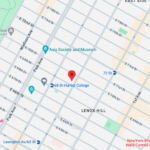
Upper East Side: Full Service Orthopedic Center & Walk-In
1198 3rd Avenue, Between 69th and 70th Street New York, NY 10021Monday–Friday: 9:00am–6:00pm
Saturday: 8:00am–5:00pm
Sunday: ClosedPhone: (212) 759-4553 -

Orthopedic Doctor Midtown Manhattan NYC — New York Bone & Joint Specialists
425 Madison Ave, Suite 200 (second floor) New York, NY 10017 (corner of East 49th Street)Physician appointments: Mon–Fri 8:00 am–6:00 pm
Physical therapy: Mon–Fri 7 am–7 pm, Sat 8 am–2 pmPhone: (212) 759-4553 -

Orthopedic Doctor Upper East Side NYC — New York Bone & Joint Specialists
130 E 67th St New York, NY 10065Tuesday & Thursday: 8:00am–6:00pm
All other days: ClosedPhone: (212) 759-4553