From the Doctor’s Desk: Back Pain in Winter: Why Does it Happen and How to Avoid it
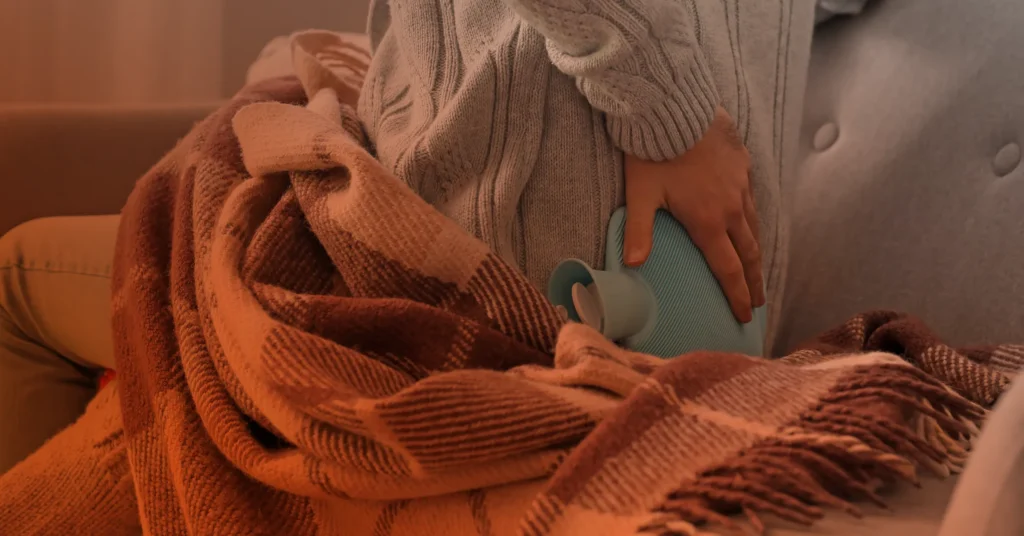
As temperatures dip in winter, many people experience increasing joint and back pain.
Back pain is a common and frequent health concern that can affect people of all ages. The condition is one of the top reasons for short-term and long-term disability all over the world. As the nights draw in and the mercury drops, pain levels can go up.
Temperature-related pain isn’t the only concern winter weather presents.
Winter conditions that can cause a rise in back pain
Winter weather doesn’t only bring colder temperatures. Here are some other factors to consider:
Muscle tightness
Cold weather can make your muscles tight. When you move your body in cold temperatures, your muscles might tighten and become rigid, causing pain and discomfort. Sore, tense muscles increase the risk of long-term injury.
Reduced Physical Activity
It’s tough to find the motivation to pull on your running shoes and hit the road when the weather is nearing 30°F.
Winter brings reduced physical activity levels for many people. A more sedentary lifestyle can lead to weakened muscles and weight gain – placing extra strain on your joints and back.
Snow Shoveling Strains
Anyone who has shoveled a driveway knows how physically demanding the task can be. Winter can bring heavy snowfall and without the right form, clearing the drive can be a risky activity.
Make sure you’re bending at the knees and taking smooth motions when shoveling snow to avoid the pitfalls of pulled muscles and a weary back.
Slippery Surfaces
Winter often means icy conditions and ice brings with it an increase in slips and falls. Pay extra care when out and about to avoid harmful trips in slippery conditions. Falls on ice can lead to painful bumps, scrapes, or even broken bones.
Indoor Heating and Dehydration
It’s natural to want to wrap up warm indoors during the colder months. However, turning up the heating can dry out the air in your home and increase the risk of dehydration. A lack of water can cause the discs in your back to lose their flexibility, putting you at greater risk of injury.
Be sure to drink plenty of water if you’re cranking up the thermostat.
Winter Sports and Back Strain
For the more adventurous among us, winter is a time for hitting the slopes. Cold weather sports, like snowboarding and skiing, may be fun but can come with the added risk of injury.
Protect your back by adopting the right form and wearing appropriate safety gear to make the most of the slopes.
Tips and Remedies for Finding Relief for Back Pain
With the right preparation and a few extra precautions, you can take winter in your stride without putting your back at greater risk.
- Staying active: The best way to relieve back pain and prevent stiffness is to stay active.
- Adopt proper form: Take care when lifting, shoveling snow, or undertaking any other winter chores.
- Heat therapy: You can alleviate winter-induced back pain and relax your muscles by using heat pads or taking warm baths.
- Stretching and strengthening exercises: Daily stretching routines, or activities like yoga, can help you keep your back supple and flexible through the colder months.
Staying injury-free at Thanksgiving
Exercises That Help to Reduce Back Pain
If you’re looking to change up your exercise routine during the colder months, consider adopting a few of these new movements to ensure your back stays in great shape.
- Core strengthening exercises: Strengthening your core can improve balance and take the strain from tired back muscles.
- Low-Impact Cardiovascular exercises: Hiking, rowing, and walking are some of the best low-impact exercises to alleviate back pain.
- Stay flexible with a yoga routine: The movements performed in yoga or pilates can help increase your strength and flexibility.
- Warm-Up before any winter sports: Squats, jumping jacks, and side shuffles can help get blood flowing to your back muscles before you hit the ski slopes.
- Pelvic Tilts for Lumbar Support: Pelvic tilts are one of the best exercises for alleviating back pain and strengthening your muscles.
- Leg Raises for lower back muscles: Performing these exercises can increase the strength of your lower back muscles, helping to relieve existing lower back pain.
- Gentle stretching routine: Performing daily stretching exercises can increase the flexibility of muscles and reduce the chances of muscle cramps and pain.
- Mindful movement: These exercises are a good way to relax your mind and body. A relaxed mind and body can help ease stress and reduce back stiffness.
Winter weather brings increased risks of back injuries and more. But, with the right precautions and a few small lifestyle adjustments, you can better protect yourself from the worst the cold climate has to offer.
If you find that your back pain is severe or persistent, you may need the assistance of an experienced physical therapist. You can book an appointment with me, Dr. Nick Gupta, or find out more about back pain with New York Bone and Joint Specialists.

Interventional Spine & Pain Management Specialist
Physical Medicine & Rehabilitation
Epidural Steroid Injections
Medial Branch Blocks & Radiofrequency Ablation
SI Joint & Trigger Point Injections
Our Locations
-

Upper East Side: Full Service Orthopedic Center & Walk-In
1198 3rd Avenue, Between 69th and 70th Street New York, NY 10021Physicians: Monday–Friday 8:00am–6:00pm, Saturday 8:00am–5:00pm
Physical Therapy: Monday–Friday 7:00am–7:30pm, Saturday 8:00am–3:00pm
Sunday: ClosedPhone: (212) 759-4553 -

Orthopedic Doctor Midtown Manhattan NYC — New York Bone & Joint Specialists
425 Madison Ave, Suite 200 (second floor) New York, NY 10017 (corner of East 49th Street)Physician appointments: Mon–Fri 8:00 am–6:00 pm
Physical therapy: Mon–Fri 7 am–7:30 pm, Sat 8 am–3 pmPhone: (212) 759-4553 -

Orthopedic Doctor Upper East Side NYC — New York Bone & Joint Specialists
130 E 67th St New York, NY 10065Currently ClosedPhone: (212) 759-4553