Spinal Fusion Surgery
Written by: Dr. Popovitz.
Board-Certified Orthopedic Surgeon | Fellowship-Trained Sports Medicine, NYU Langone Medical Center | FAAOS
Co-Founder, NY Bone & Joint Specialists | Lenox Hill Hospital - Northwell Health
Recognized: New York Magazine Best Doctor | New York Times Super Doctor | IAOS Leading Physician of the World | IAOS Top Orthopedic Surgeon in New York
Date Published: January 13, 2019
Last Updated: September 22, 2025
Last Medically Reviewed: September 22, 2025
This page has been written and reviewed by a fellowship-trained, board-certified orthopedic surgeon with over 20 years of clinical experience. All clinical claims are supported by peer-reviewed literature and current AAOS and AOSSM guidelines. See References section below.
Book a consultation
Prompt Appointments Available
Upper East Side: 1198 Third Ave | Midtown: 425 Madison Ave
Surgery performed at Lenox Hill Hospital - Northwell Health
What is Spinal Fusion Surgery?
For patients with severe back pain from spinal abnormalities, an orthopedic specialist may recommend spinal fusion surgery once all conservative measures have been exhausted. During this procedure, the surgeon fuses two or more vertebrae together to form a stronger, more stable bone mass and reduce pain.
Spinal fusion surgery begins with an incision either in the back, side, or abdomen. To weld the vertebrae together, the surgeon will use either a bone graft from the patient — typically from the pelvis — or donor material. The grafts are then placed between the vertebrae, which are attached by screws, rods, or metal plates.
Which Conditions Does Spinal Fusion Treat?
Individuals with degenerative disc disease, broken vertebrae, or spinal stenosis may benefit from spinal fusion surgery. The procedure may also be used to reverse an unnatural curvature of the spinal column.
Orthopedic specialists classify an abnormal arch of the spine by the angle of curvature, which follows three distinct patterns: scoliosis, in which the spine bends sideways in an S or C formation; kyphosis, a pronounced rounding of the upper back; and lordosis, an inward slant of the spine. Physical therapy and braces may help correct these conditions, but in severe cases, spinal fusion may be recommended.
How Long Does it Take to Recover from Spinal Fusion Surgery?
For spinal fusion surgery, patients are put under general anesthesia, and typically stay in the hospital for two to three days after the procedure. While they recover in the hospital, patients work with a physical therapist to learn how to get in and out of bed without twisting the spine, and then continue building flexibility with gentle stretching.
After discharge, many patients wear a brace to ensure the spine stays properly aligned. Before beginning a physical therapy regimen six weeks to three months after surgery, patients are encouraged to refrain from any strenuous activities, lift heavy objects, or twist the spine. Since this is a major surgery, it may take six months to a year for the back to fully heal.
Physical therapy is an important part of the recovery process. A physical therapist can give patients tips on how to sit, stand, and walk while keeping the newly aligned spine in the right position.
_________________________________
EXPERIENCING PAIN? DO YOU HAVE AN INJURY?
Our Specialists are here to help.
Book an appointment with NYC’s best orthopedic specialists to discuss your condition. Fill out the form below and you will receive a call from our office within 5-10 minutes. We’ll book an appointment at a time and location that work for you, and send you a reminder by email.
Spinal Fusion: FAQs
What is spinal fusion surgery and when is it recommended?
Spinal fusion is a procedure that joins two or more vertebrae so they heal into a single, solid bone. It’s typically recommended for conditions causing spinal instability or severe pain—such as degenerative disc disease, spinal stenosis, spondylolisthesis, fractures, or deformities—especially when conservative treatments (physical therapy, medications, injections) haven’t provided relief.
What is the recovery time after spinal fusion surgery and what can I expect?
Recovery begins in the hospital for a few days post-surgery, with pain management, wound care, and limited movement. Patients often begin walking soon. Most can return to light daily activities within 4-6 weeks, though full recovery—regaining strength, flexibility, and returning to more demanding tasks—can take 6 months to a year depending on how many vertebrae were fused, the approach, and patient health.
What are the risks and possible complications of spinal fusion surgery?
As with any surgical procedure, spinal fusion carries risks such as infection, bleeding, poor wound healing, and reactions to anesthesia. Specific complications can include failure of the bones to fuse (non-union or pseudoarthrosis), nerve irritation or damage, adjacent segment degeneration (extra stress on vertebrae above or below the fusion), limited range of motion, and pain at the graft donor site (if autograft is used).
Will I lose flexibility after spinal fusion, and are there alternatives?
Fusing vertebrae reduces motion at those fused levels, which may lead to decreased flexibility in some motions (bending, twisting). However, many patients report that the pain relief and improved stability make the trade-off worthwhile. Alternatives in suitable cases include motion-preserving surgeries (like disc replacement), less invasive fusion techniques, or targeted non-surgical treatments—depending on your diagnosis.
Doctors Seeing Patients for Spine Conditions:

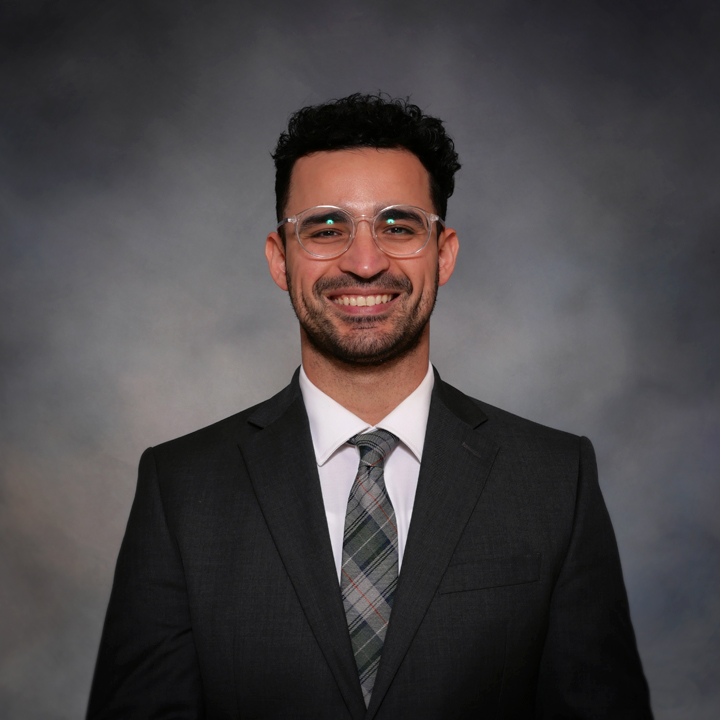




Medically Reviewed by Dr. Popovitz.
You can book your appointment with New York Bone & Joint online by submitting the appointment request form here:
Book an appointmentOur Locations
-

Upper East Side: Full Service Orthopedic Center & Walk-In
1198 3rd Avenue, Between 69th and 70th Street New York, NY 10021Physicians: Monday–Friday 8:00am–6:00pm, Saturday 8:00am–5:00pm
Physical Therapy: Monday–Friday 7:00am–7:30pm, Saturday 8:00am–3:00pm
Sunday: ClosedPhone: (212) 759-4553 -

Orthopedic Doctor Midtown Manhattan NYC — New York Bone & Joint Specialists
425 Madison Ave, Suite 200 (second floor) New York, NY 10017 (corner of East 49th Street)Physician appointments: Mon–Fri 8:00 am–6:00 pm
Physical therapy: Mon–Fri 7 am–7:30 pm, Sat 8 am–3 pmPhone: (212) 759-4553 -

Orthopedic Doctor Upper East Side NYC — New York Bone & Joint Specialists
130 E 67th St New York, NY 10065Currently ClosedPhone: (212) 759-4553