What to Do If You’ve Torn Your ACL: Insights from an Orthopedic Surgeon
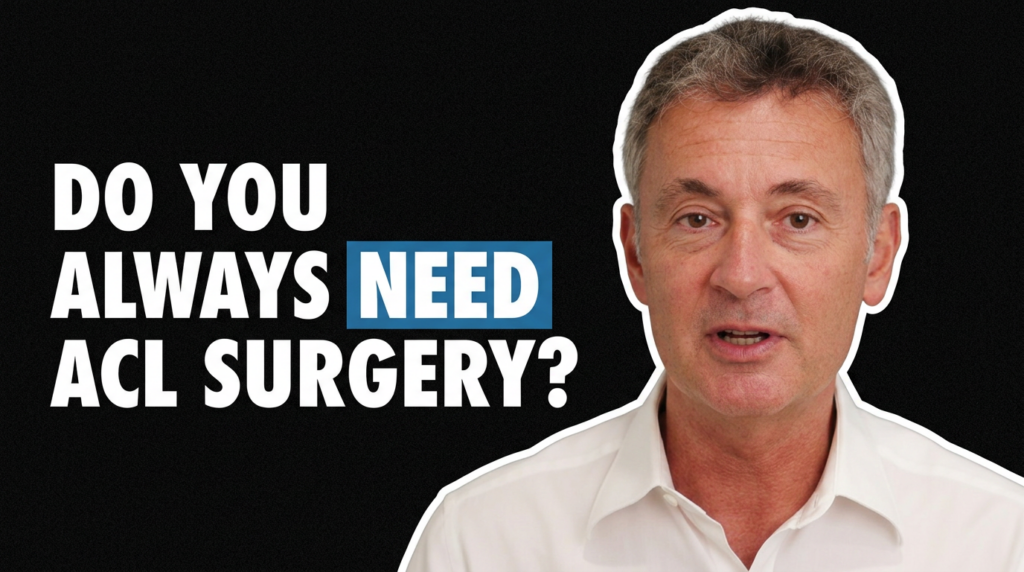
Learn what to do if you’ve torn your ACL. Discover key insights on recovery options, surgical decisions, and expert advice from Dr. Leon Popovitz.
If your doctor just told you that you’ve torn your ACL, it’s crucial to understand your next steps before making any decisions. In this post, we’ll break down the essential insights from orthopedic surgeon Dr. Leon Popovitz, who has over 20 years of experience in knee surgery and sports medicine. You’ll learn about the anatomy of the ACL, treatment options, and important considerations for recovery.
Understanding the ACL: What It Is and Why It Matters
The anterior cruciate ligament (ACL) is a vital component of knee stability. It prevents the tibia (the bottom bone) from shifting forward and provides rotational stability. When torn, the knee can feel unstable, especially during movements like running and pivoting. Dr. Popovitz explains that the ACL is crucial for athletes and active individuals, as it plays a significant role in sports and daily activities.
The Role of the ACL in Knee Stability
- Structure: The ACL is located centrally in the knee, crossing over the posterior cruciate ligament (PCL).
- Function: It stabilizes the knee joint during activity, preventing unwanted movements.
- Symptoms of Injury: A torn ACL can lead to a sensation of the knee giving way, especially during sharp turns or pivots.
Determining the Severity of Your ACL Injury
When assessing an ACL injury, doctors evaluate whether the ligament is partially or completely torn. Dr. Popovitz notes that a complete tear often results in significant instability, which may require surgical intervention. However, partial tears can vary; some patients may experience instability even with minor damage.
Signs of a Torn ACL
- Pop Sound: Many patients report hearing a pop at the time of injury.
- Swelling: Sudden swelling usually follows the injury, indicating inflammation.
- Inability to Bear Weight: Difficulty or inability to place weight on the affected leg is common.
Options for Treatment: Surgery vs. Conservative Management
Not all ACL tears necessitate surgery. Dr. Popovitz emphasizes that the decision should be made based on individual circumstances. For younger, more active patients, surgery might be the best option to restore full function. Older patients or those with a sedentary lifestyle might manage well with conservative treatment, including physical therapy and activity modification.
Factors Influencing Treatment Decisions
- Activity Level: Active individuals are more likely to need surgical repair to return to their sports.
- Age and Health: Older patients may opt for a conservative approach if they are not highly active.
- Flexibility and Range of Motion: Pre-surgical physical therapy can be crucial for regaining flexibility and reducing swelling before surgery.
Recovery and Rehabilitation: What to Expect
Recovery from an ACL injury involves several stages, including rehabilitation and gradual return to activity. Dr. Popovitz advises patients to focus on regaining strength and stability through targeted exercises.
Key Recovery Steps
- Physical Therapy: Engage in preoperative physical therapy to strengthen the muscles around the knee and recover range of motion.
- Post-Surgery Rehabilitation: If surgery is performed, a structured rehabilitation plan is essential for optimal recovery.
- Activity Modification: Patients may need to adjust their activities to avoid further injury and allow for healing.
Conclusion
Understanding the implications of an ACL tear is vital for making informed decisions about treatment and recovery. Whether you require surgery or can manage conservatively, the key is to consult with a qualified orthopedic surgeon and follow a tailored rehabilitation plan.
If you’re facing an ACL injury, remember to focus on preserving your knee health for the long term. Want to go deeper? Listen to the complete episode with Dr. Leon Popovitz here:
Frequently Asked Questions
What happens if I don’t have surgery for a torn ACL?
Some patients manage well without surgery, especially if they modify their activities. However, there’s a risk of further injury to the meniscus and potential arthritis.
How long does recovery take after ACL surgery?
Recovery typically takes 6 to 12 months, depending on individual circumstances and adherence to rehabilitation protocols.
Can I return to sports after an ACL injury?
Yes, many athletes return to their sports after proper treatment and rehabilitation, but the timeline varies based on the severity of the injury and recovery progress.
Just told you tore your ACL? Stop! Don’t rush into decisions. Book a consultation with an orthopedic specialist at New York Bone and Joint Specialists today!
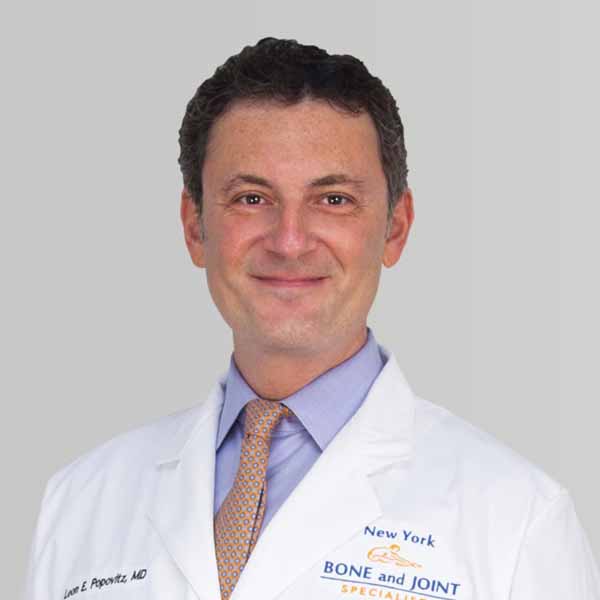
Board-Certified Orthopedic Surgeon (ABOS)
Fellow, American Academy of Orthopaedic Surgeons
Co-Founder, NY Bone & Joint Specialists
Team Physician, US Open Tennis Championships
Our Locations
-

Upper East Side: Full Service Orthopedic Center & Walk-In
1198 3rd Avenue, Between 69th and 70th Street New York, NY 10021Physicians: Monday–Friday 8:00am–6:00pm, Saturday 8:00am–5:00pm
Physical Therapy: Monday–Friday 7:00am–7:30pm, Saturday 8:00am–3:00pm
Sunday: ClosedPhone: (212) 759-4553 -

Orthopedic Doctor Midtown Manhattan NYC — New York Bone & Joint Specialists
425 Madison Ave, Suite 200 (second floor) New York, NY 10017 (corner of East 49th Street)Physician appointments: Mon–Fri 8:00 am–6:00 pm
Physical therapy: Mon–Fri 7 am–7:30 pm, Sat 8 am–3 pmPhone: (212) 759-4553 -

Orthopedic Doctor Upper East Side NYC — New York Bone & Joint Specialists
130 E 67th St New York, NY 10065Tuesday & Thursday: 8:00am–6:00pm
All other days: ClosedPhone: (212) 759-4553