



Introduction
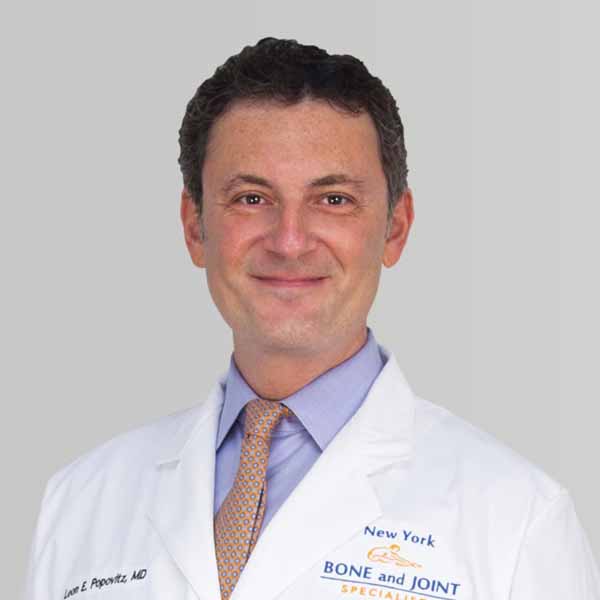
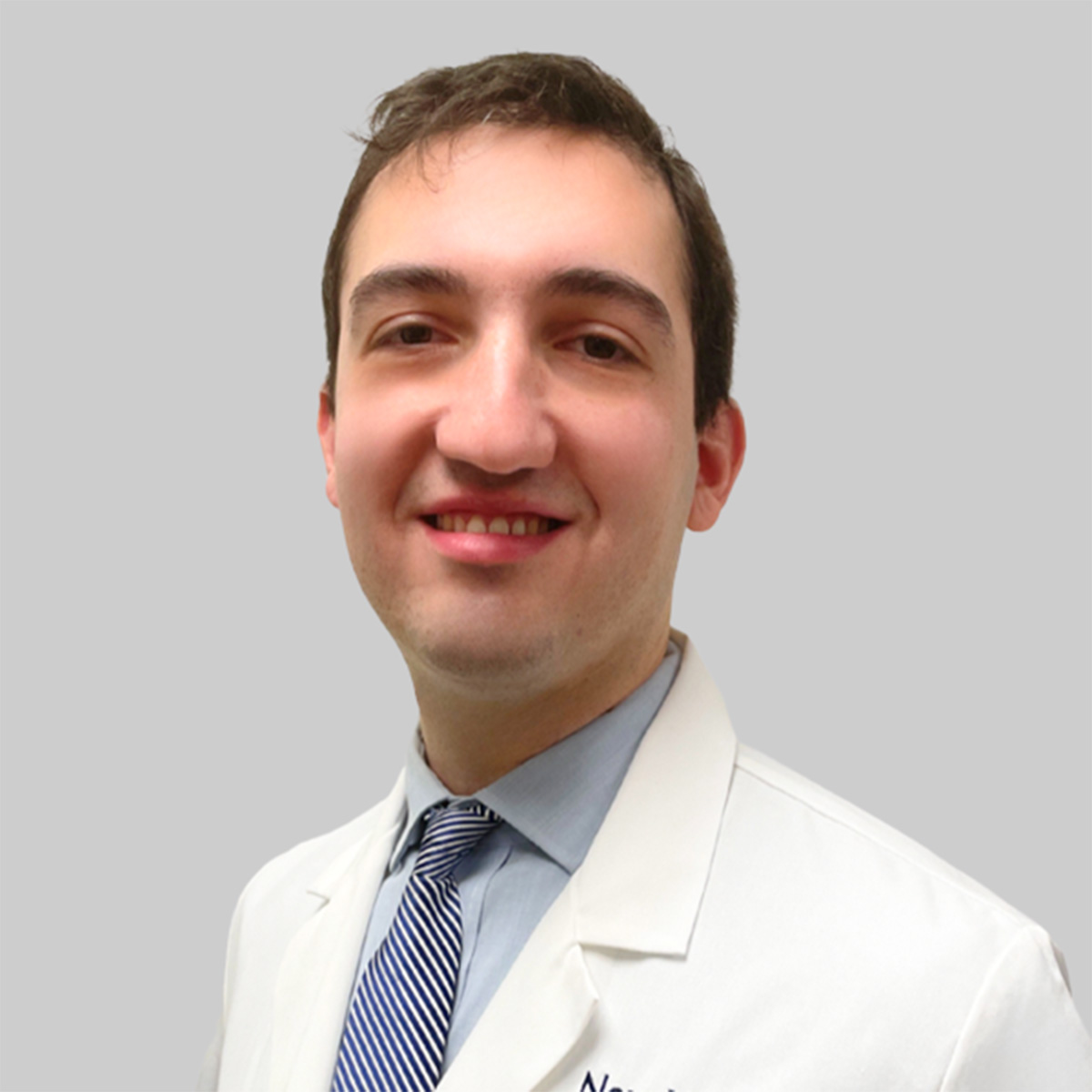
When I founded New York Bone & Joint Specialists, my goal was simple and clear: to give the people of New York City prompt, easy access to genuinely elite orthopedic care without the wait times, the institutional friction, or the bias toward procedures that define too much of medicine in this city. Ninety percent of New York Bone & Joint patients are treated successfully without surgery. That’s not a marketing number. It’s a reflection of how the practice was built: with a fully staffed non-surgical team (board-certified sports medicine physicians, in-house physical therapy, and a complete range of injection and regenerative therapies) so that every patient receives the right treatment at the right stage, from physicians who have been recruited and trained to the same standard I hold myself to.
Knee pain in an active person isn’t just a physical problem. It’s a problem that changes how you move through your day, what you can do with the people you care about, and (in younger patients) the trajectory of years of life that should be lived without that limitation. I have been treating knee injuries in New York City for more than 20 years, and the reason I have made the knee one of my exclusive subspecialties is precisely this: the impact that getting it right has on someone’s life is profound, and the consequences of not getting it right are permanent.
At New York Bone & Joint Specialists, knee care encompasses the full spectrum: from the non-surgical management of tendinitis, ligament sprains, and early arthritis to the arthroscopic repair of ACL tears, meniscus injuries, and articular cartilage defects. The common thread is a conviction that your own tissue (your meniscus, your articular cartilage, your ligament) is always worth fighting to preserve. A meniscus saved is protection for the cartilage it covers. Cartilage restored in a 21-year-old is decades of pain-free function that would otherwise be lost. Surgery at New York Bone & Joint isn’t the treatment of last resort. It’s the intervention that preserves what matters.
When surgery is the right answer (and for some knee conditions, it clearly is) it’s performed by a fellowship-trained specialist who has dedicated a career to this joint, at Lenox Hill Hospital, with direct coordination between the surgeon and the in-house physical therapy team from the first post-operative day through return-to-sport clearance.
The Philosophy Behind Every Knee Decision
The most important thing I can tell a patient about their knee is that not every decision is clear-cut, and that the decisions that seem simple are often the ones with the largest long-term consequences. Whether to repair a meniscus or remove the torn portion. Whether to transplant cartilage or perform microfracture. Whether to reconstruct an ACL now or wait. These decisions do not change the outcome of the next three months. They change the health of the joint for the next thirty years.
| Preservation is the key to longevity. The knee functions well when its structures are intact. The meniscus protects articular cartilage. Articular cartilage protects the bone. The ACL stabilizes the joint against the rotational forces that, without a functioning ligament, damage the meniscus and the cartilage every time they are applied. Each structure protects the ones beneath it. When one is lost, the others are at risk. My job is to prevent that cascade at the earliest possible point, using the least invasive appropriate intervention and with the goal of keeping your own biology intact for as long as possible.
I have seen patients who were told twenty years ago that their meniscus tear wasn’t worth repairing. Now, they’re in my office with advanced knee arthritis at 55, discussing knee replacement. I’ve also seen patients whose meniscus was repaired at 22 and who are playing recreational tennis at 50 with a knee that functions the way it should. Those two outcomes begin with the same decision, made differently. That’s why I repair meniscuses whenever the tissue quality allows. That’s why I transplant cartilage in young patients when the defect is large enough that microfracture won’t suffice. Preservation isn’t sentiment. It’s mathematics. — Dr. Leon Popovitz |
| From Dr. Popovitz: Seventeen Years
One of the biggest reasons I’ve made treating knee injuries one of my exclusive subspecialties is the extraordinary impact I can have on someone’s life: not just their next three months, but their future. I recently saw a 38-year-old man who came in for a minor unrelated condition. I had last treated his knee when he was 21 years old. He had originally come to me after a soccer game in Central Park. He made a sharp turn, twisted his knee, and couldn’t bear weight on his leg. He went to the emergency room, where X-rays were negative and he was told to see an orthopedic surgeon. When I evaluated him, his examination suggested significant intra-articular pathology. I obtained an MRI. The MRI revealed two findings. The first was a large, complex tear of the medial meniscus: the shock-absorbing cartilage that sits between the femur and the tibia on the inner side of the knee. The second was an osteochondral defect of the lateral femoral condyle. An osteochondral defect is a crack in the articular cartilage that lines the end of the femur, with bare bone exposed beneath it. On its own, that crack would have caused him severe pain and disability. Left untreated, it would have progressed to premature arthritis, devastating in someone his age. And the large torn meniscus meant that the cartilage that remained in the joint had lost its primary protection. I explained everything to him and his parents, his very caring, very concerned parents. I explained that for the osteochondral defect, the decision between procedures depended on the size of the defect. A smaller defect can be treated with microfracture (a technique that creates small perforations in the bone beneath the defect to stimulate stem cells to fill the area with fibrocartilage), a combination of cartilage and scar tissue. But his defect was too large for microfracture to produce a durable result. He needed a cartilage transplant: articular cartilage taken from a non-weight-bearing area of his own knee and transplanted to fill the defect. The following week I performed the procedures for his knee arthroscopically. In the same session, through the same small portals, I repaired the meniscus completely. I was able to save the entire structure with a very secure repair. I also performed the osteochondral autograft transplantation, moving cartilage from the non-weight-bearing region of his knee to restore the defect. Both procedures, minimally invasive, at the same time. He recovered well and returned to full activities. He went on to live his life. When I saw him at 38, he was healthy, active, and in the office for something entirely unrelated to his knee. We talked about that day in Central Park and everything that had followed, and I thought about what his life would have looked like if we hadn’t done what we did. If we had simply removed the torn meniscus instead of repairing it. If we had deferred the cartilage defect because it was complicated. He would very likely be dealing with significant knee arthritis by now and potentially facing a knee replacement at an age when no one should need one. Instead, he had been living his life for seventeen years on the knee he was born with. That is what I mean when I say preservation is the key to longevity. It’s not a slogan. It’s what happens when you make the right decision at 21. — Dr. Leon Popovitz |
Conditions We Treat
The following conditions are evaluated and treated at New York Bone & Joint, with surgical and non-surgical pathways available depending on the diagnosis, the patient’s anatomy, age, and goals.
| Condition | What It Is | Surgical Option | Non-Surgical Option |
| ACL Tear | Complete or partial tear of the anterior cruciate ligament, usually from a pivoting or cutting mechanism. Results in rotational instability. | ACL reconstruction (autograft or allograft). Graft selection individualized. Re-tear rate 1–3% at New York Bone & Joint. | Physical therapy-based neuromuscular program for lower-demand patients with minimal instability. [10] |
| Meniscus Tear | Tear of the medial or lateral meniscus; the fibrocartilage shock absorber that protects articular cartilage. Can be acute (sports) or degenerative (aging). | Meniscus repair whenever tissue quality allows. Meniscus reconstruction for large, irreparable tears. Meniscus resection as last resort only. [3] | Physical therapy for degenerative tears in middle-aged patients with OA; comparable to surgery in appropriate candidates. [8] |
| Osteochondral Defect | A crack or lesion in the articular cartilage covering the end of the femur or tibia, often with underlying bone involvement. Can cause severe pain and, if untreated, progresses to arthritis. | Microfracture for smaller defects; osteochondral autograft transplantation (OATS) for larger defects. [4] [5] Urgency depends on defect size and patient age. | Activity modification for very small defects in lower-demand patients. Most active patients with larger defects require surgical intervention. |
| Patellofemoral Syndrome | Pain under or around the kneecap from abnormal patellar tracking, overuse, or malalignment. Common in runners, cyclists, and young athletes. | Patella stabilization surgery for recurrent dislocation or significant malalignment. | Physical therapy targeting VMO strengthening, hip stability, and patellar tracking; effective for most patients. Gel injections for young patients who have failed physical therapy. |
| Knee Osteoarthritis | Progressive loss of articular cartilage in one or more compartments of the knee, causing pain, stiffness, and functional limitation. | Partial or total knee replacement when conservative management is exhausted and joint space is severely diminished. | Physical therapy, cortisone injections, gel (hyaluronic acid) injections, activity modification, bracing. [8] |
| MCL / PCL Injury | Sprain or tear of the medial or posterior collateral ligament from a direct blow or twisting mechanism. | Surgical repair or reconstruction for complete MCL tears with instability or multi-ligament injuries. | Most isolated MCL sprains heal with physical therapy and bracing. Physical therapy is first-line. |
| Knee Instability | A sense of giving way or buckling, often due to ACL deficiency, patellar instability, or multi-ligament injury. | ACL reconstruction, patella stabilization, or multi-ligament reconstruction depending on source of instability. | Physical therapy-based stabilization program for appropriate candidates; not adequate for most complete ACL tears in active patients. |
| Tendon Injuries (Patellar, Quad) | Patellar tendinitis (‘jumper’s knee’), quadriceps tendinitis, or tendon rupture from overuse or acute trauma. | Surgical repair for complete tendon ruptures. Urgent. | Physical therapy (eccentric loading protocol) for tendinopathies. PRP for refractory tendinopathy. |
Procedures: What We Do and Why
The following procedures are performed by Dr. Popovitz at Lenox Hill Hospital. Each is performed arthroscopically where possible, through small portals and without large incisions, with faster recovery and less tissue disruption than open surgery.
ACL Reconstruction
ACL reconstruction replaces the torn ligament with a graft (that is, tissue from your own body or a donor source) secured inside precisely placed bone tunnels to restore rotational stability. Graft selection is individualized: patellar tendon for high-demand athletes, hamstring for appropriate candidates, quadriceps tendon for revision cases. Our ACL re-tear rate is 1–3% against a published benchmark of 5–25%. Clearance for return to sport is criteria-based — never time-based. [7] Read more.
Meniscus Repair & Reconstruction
The meniscus protects articular cartilage. Every millimeter of meniscus preserved is protection for the cartilage beneath it. New York Bone & Joint’s approach is repair whenever the tissue quality and tear pattern allow. Our meniscus repair healing rate is 95% at 5 years against a published benchmark of 70–90%. We make every effort to repair and save the meniscus. If it’s not possible, because the tissue is degenerated or if it’s torn in an area where there is no blood supply available for healing, only then would we remove the torn portion. In that case, we would only remove the unstable portion, making sure to leave the majority of the meniscus for the future. The long-term data on meniscal loss and cartilage degeneration is clear. Our goal is to preserve your tissue. [3] [6] Read more.
Osteochondral Autograft Transplantation (OATS)
For articular cartilage defects too large to be adequately treated with microfracture, OATS transplants cartilage and underlying bone from a non-weight-bearing region of the same knee to fill the defect with true hyaline cartilage. This is the highest-quality cartilage restoration available, using your own tissue. It is the procedure used in the patient story above. Published outcomes show durable results in appropriately selected active patients. [4]
Microfracture
For smaller articular cartilage defects (typically under 2–2.5 cm²) microfracture creates small perforations in the subchondral bone beneath the defect to stimulate stem cells to fill the area with fibrocartilage. It’s a simpler procedure than osteochondral transplantation, with good outcomes in appropriate candidates. [5] Defect size, location, and patient age determine whether microfracture or transplantation is the right procedure. Both can be performed arthroscopically and combined with other procedures in the same session.
Knee Arthroscopy
Knee arthroscopy is the foundational procedure of minimally invasive knee surgery: a camera inserted through a small portal to visualize and treat the joint interior. It is the platform through which meniscus repair, cartilage procedures, removal of loose bodies, and ligament evaluation are performed. As a standalone procedure it is used for diagnosis and treatment of conditions not adequately addressed by imaging alone. Read more.
Partial & Total Knee Replacement
For patients with advanced knee arthritis who have exhausted absolutely all appropriate non-surgical options, knee replacement (either partial or total) can restore function and eliminate pain. Joint replacement by New York Bone & Joint surgeons are performed at Lenox Hill Hospital.
Non-Surgical Knee Care: What Happens Before Surgery Is Considered
The non-surgical pathway at New York Bone & Joint is staffed with dedicated sports medicine physicians who see patients the same day or next day. Surgery is never the starting point. It’s the destination when the right non-surgical options have been genuinely and expertly exhausted.
| Non-Surgical Option | Best For | What to Expect |
| Physical therapy | First-line for most knee conditions: tendinopathies, sprains, early OA, patellofemoral syndrome, post-injection rehabilitation. | In-house physical therapy coordinated with the treating physician. Sport-specific progression. Criteria-based return to activity. |
| Cortisone injections | Acute inflammatory flares in knee OA, bursitis, tendinitis. Short-term targeted relief. | Relief typically within 3–5 days. Frequency limits apply. Read more. |
| Gel (hyaluronic acid) injections | Knee OA when cortisone has stopped working, frequency limits reached, or patient too young for repeated cortisone. Patellofemoral syndrome in younger patients who have failed physical therapy. | Relief builds over 4–6 weeks. Duration 6–12 months. Read more. |
| Bracing | Medial compartment OA offloading; MCL sprains; patellar instability; post-operative protection. | Unloading braces can reduce medial compartment OA symptoms significantly for appropriate patients. |
| Activity modification | Early OA, overuse injuries, tendinopathies. | Specific guidance on load management, sport modification, and training adjustments. |
| Regenerative medicine (PRP & stem cell treatment) | Refractory tendinopathies, knee OA in patients who want to avoid or reduce cortisone use, and post-surgical tissue healing in appropriate candidates. | PRP (platelet-rich plasma) uses a concentration of the patient’s own growth factors to stimulate healing. Stem cell treatment uses biologic cells to support tissue repair. Both are in-office procedures. Results develop over 4–8 weeks. Discussed on a case-by-case basis at your consultation. |
In-House Physical Therapy: Why It Matters for Knee Care
Every knee procedure and many non-operative knee conditions have a rehabilitation component that determines the outcome as much as the clinical intervention itself. At New York Bone & Joint, the physical therapy team works in the same center as Dr. Popovitz. The physical therapy protocol for a post-operative knee patient is built from the operative report. The return-to-sport progression is criteria-based, managed jointly by the physical therapist and surgeon, and adjusted in real time when the patient’s progress requires it.
Why Choose New York Bone & Joint for Knee Care?
| The New York Bone & Joint Advantage | What It Means for You |
| Preservation-first subspecialty practice | New York Bone & Joint’s knee team, comprised of orthopedic surgeons and sports medicine physicians alike, operates from the same conviction: protecting the joint for the long term. Every decision is made from that perspective, whether it is a sports medicine physician managing a meniscal strain with physical therapy and injections or a surgeon planning a cartilage transplant. |
| ACL re-tear rate of 1–3% | Against a published benchmark of 5–25% in young athletes returning to cutting sport. The difference comes from individualized graft selection, anatomic tunnel placement, and strict criteria-based return-to-sport protocol. |
| Meniscus repair healing rate of 95% at 5 years | Against a published benchmark of 70–90%. We repair whenever the tissue allows. We never default to resection. |
| Cartilage expertise — OATS and microfracture in the same session as other procedures | The ability to address multiple pathologies arthroscopically in a single session (such as meniscus repair + cartilage transplant simultaneously) is a function of subspecialty depth. Most general orthopedic surgeons do not combine these. |
| In-house physical therapy | Your physical therapist reads the operative report. Your surgeon knows your physical therapy progress. Protocol adjustments happen the same day. Criteria-based return-to-sport, not time-based. |
| Same-week surgical consultations. Same-day sports medicine. | Surgical consultations available same week at both Manhattan locations. Sports medicine physicians available same day or next day. Walk-in urgent orthopedic care at 1198 Third Avenue without an appointment. No ER, no referral, no wait. |
| Honest about non-surgical options | 90% of New York Bone & Joint patients are treated without surgery. Our non-surgical team (multiple board-certified sports medicine physicians, in-house physical therapists, and interventional pain specialists) isn’t a buffer before surgery. It’s a full clinical practice in its own right, staffed to the same standard as the surgical team. |
References
- AAOS. Knee Arthroscopy. OrthoInfo. orthoinfo.aaos.org/en/treatment/knee-arthroscopy
- AAOS. Meniscal Tears. OrthoInfo. orthoinfo.aaos.org/en/diseases–conditions/meniscus-tears
- Noyes FR et al. Meniscus repair and transplantation: a comprehensive update. J Orthop Sports Phys Ther. 2012. pubmed.ncbi.nlm.nih.gov/21891878
- Sherman SL et al. Osteochondral autologous transplantation. Clin Sports Med. 2017. pubmed.ncbi.nlm.nih.gov/28577708
- Steadman JR et al. Microfracture to treat full-thickness chondral defects. J Knee Surg. 2003. pubmed.ncbi.nlm.nih.gov/12152979
- Englund M et al. Meniscus pathology, osteoarthritis and the treatment controversy. Nat Rev Rheumatol. 2012. pubmed.ncbi.nlm.nih.gov/22614907
- Myer GD et al. Rehabilitation after anterior cruciate ligament reconstruction. J Orthop Sports Phys Ther. 2006. pubmed.ncbi.nlm.nih.gov/16776488
- Katz JN et al. Surgery versus physical therapy for a meniscal tear and osteoarthritis. N Engl J Med. 2013. pubmed.ncbi.nlm.nih.gov/23506518
- Chona DV et al. Biologic Augmentation for the Operative Treatment of Osteochondral Defects of the Knee. Orthop J Sports Med. 2021. pubmed.ncbi.nlm.nih.gov/34778474
- AAOS. Anterior Cruciate Ligament (ACL) Injuries. OrthoInfo. orthoinfo.aaos.org/en/diseases–conditions/anterior-cruciate-ligament-acl-injuries